The Valletta issue
Honey and Stone: How Malta's Limestone Made Valletta Glow
A calm, on-foot reading of the single honey-coloured stone that Valletta was quarried from and carved into — from quarry museum to gilded cathedral to the ditch below the walls.

By Robin de VriesSlow days across Valletta's streets
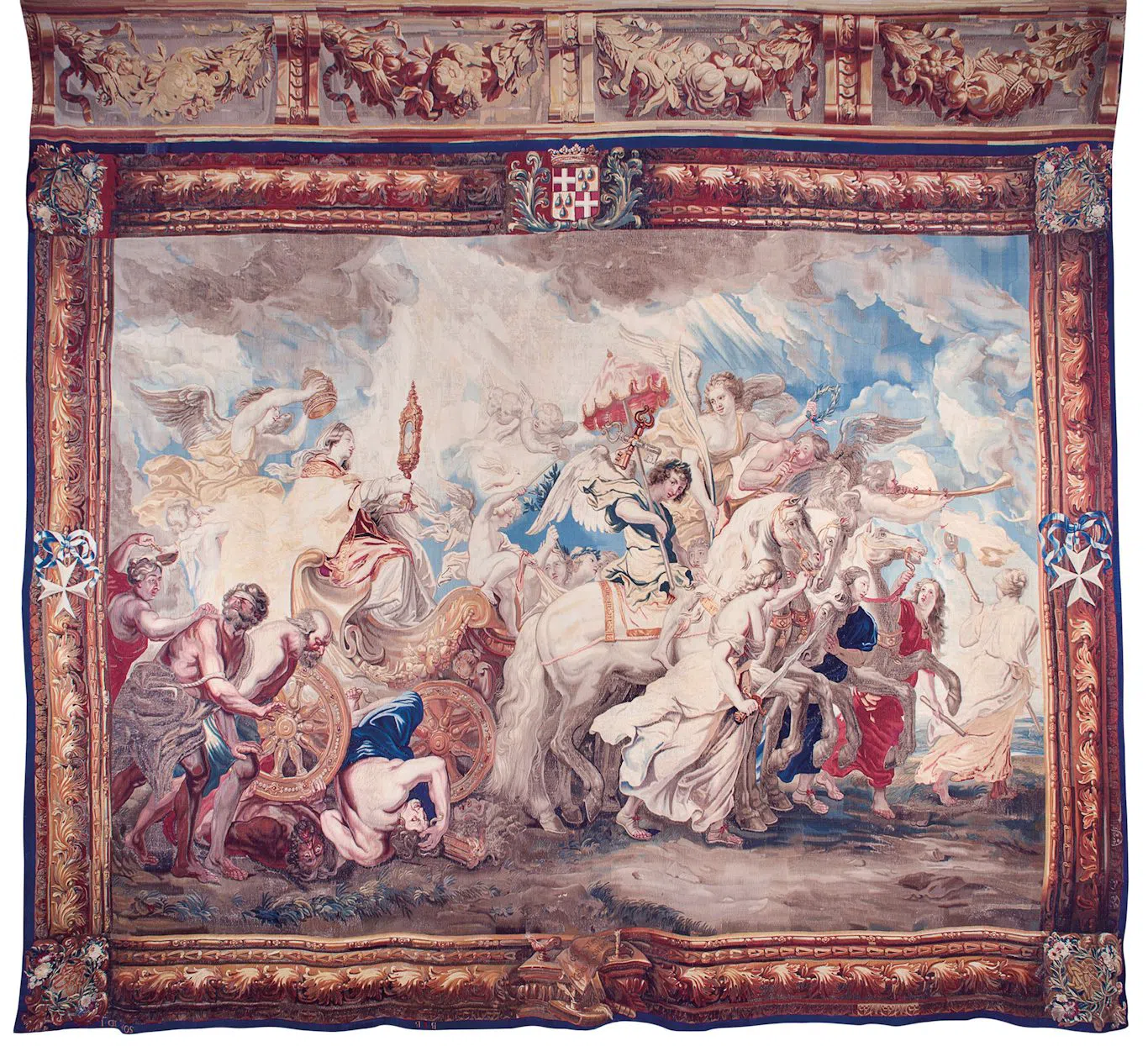
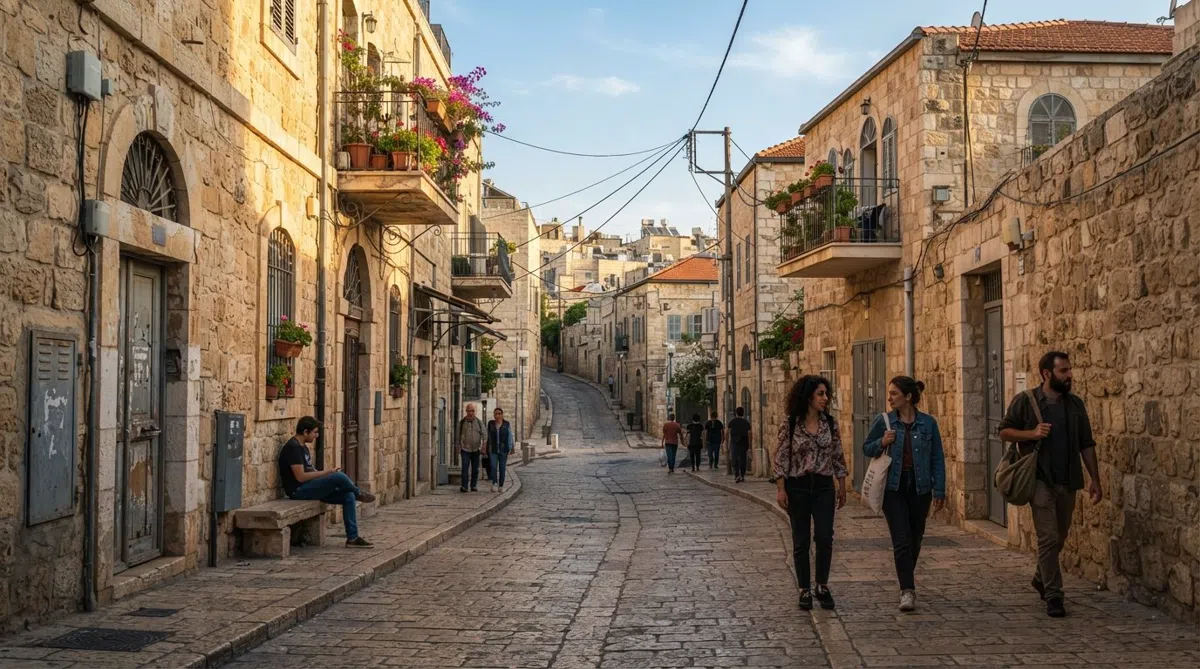
Valletta is built from the rock it stands on. Quarry the ditch and you have your bastion; carve the wall of a chapel and you have an altar — the same soft, honey-coloured Globigerina limestone does both jobs, and in the low light of late afternoon the whole peninsula reads as one warm block rather than a collection of buildings. The city is small enough to cross on foot in about fifteen minutes, so this guide walks you through the places where that stone is easiest to read, in an order that keeps the climbing sensible and the trip out of town to the end.
Start with the stone, not the palaces
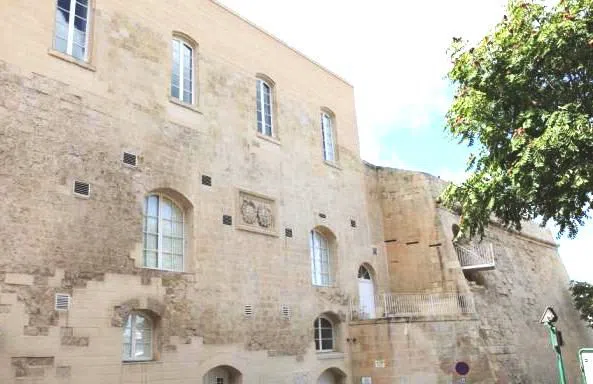
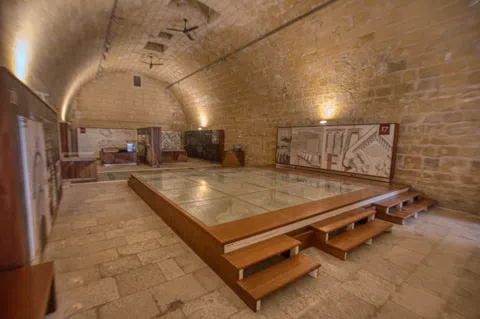
Before you look at anything carved, spend an hour understanding what it was carved from. The clearest primer costs nothing. The Fortress Builders — Fortifications Interpretation Centre (on the landward side of the city, a few minutes' walk down from City Gate) is free, usually quiet, and explains bastion design and quarrying in plain terms before you go and walk the actual walls. It suits any group size precisely because it is rarely busy; you will not queue and you will not be rushed. Give it forty minutes.
From there it is a five-minute walk up Republic Street to the National Museum of Archaeology (housed in the Auberge de Provence, on Republic Street itself). Entry is about €5, which makes it the best-value stop in the city for what it teaches: how Maltese hands worked both the soft Globigerina and the harder Coralline limestone for millennia before any Knight arrived. It takes groups without difficulty, though the rooms are period rooms rather than large halls, so a party of a dozen will move through in single file in places. Allow an hour if you read the labels, half that if you only want the Neolithic pieces.
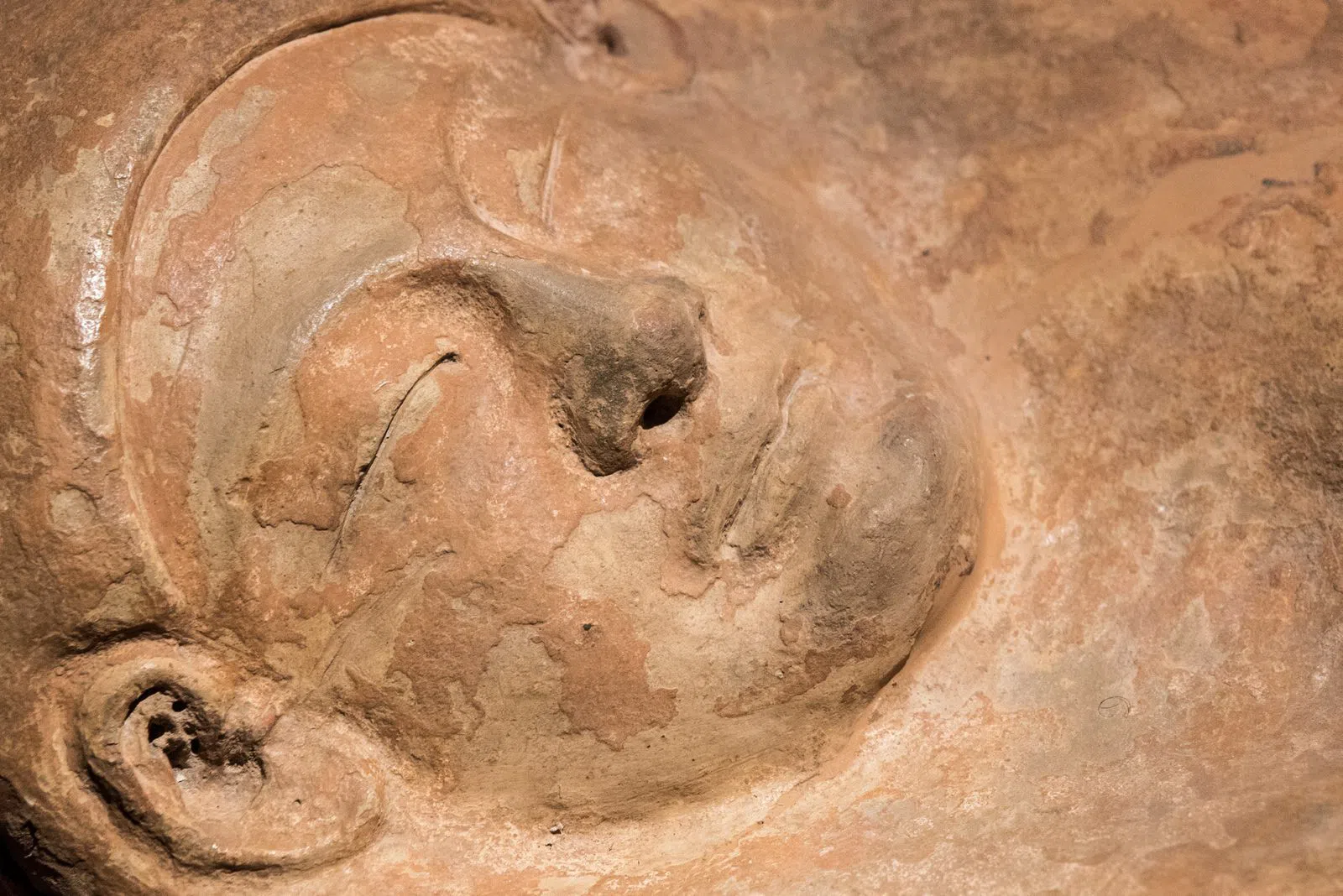
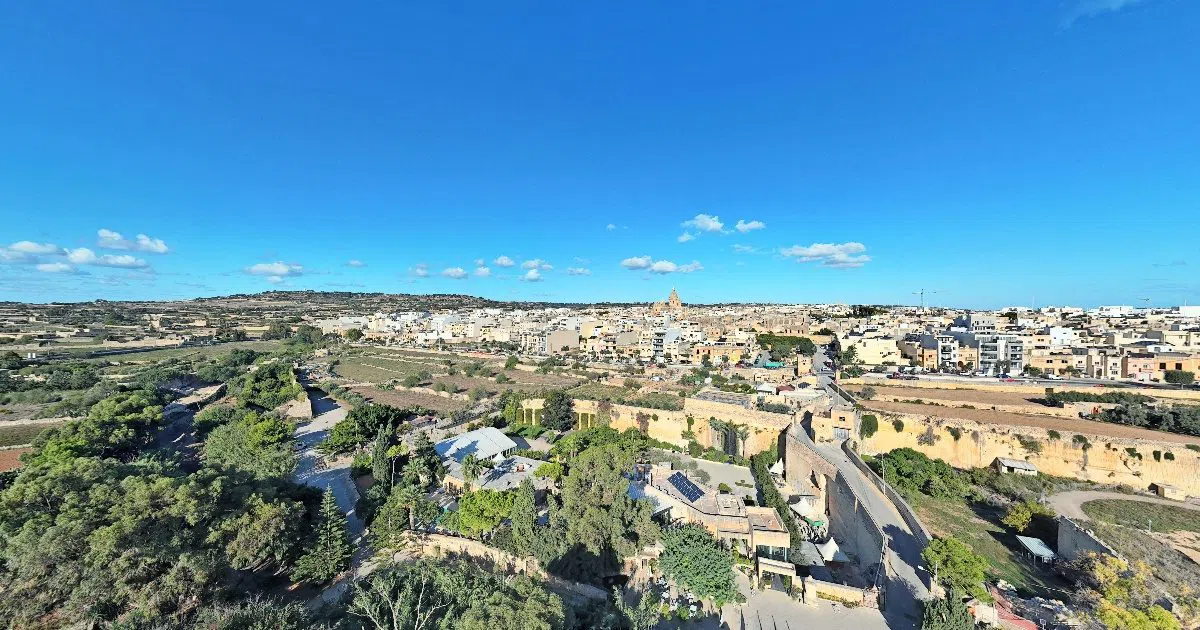
The one venue built entirely around the geology sits outside the city, so treat it as a deliberate half-day rather than a detour. The Limestone Heritage Park & Gardens (roughly fifteen minutes out of Valletta by taxi or bus, set in a former quarry) runs an audio-guided walkthrough, Mon–Sat, of the Globigerina and Coralline strata, the old quarrying methods, and a hands-on carving section. Entry is about €10. It takes groups well and is genuinely the clearest place to see the difference between the two stones with your own eyes — but be honest with your schedule: the short trip out and back will cost you the better part of a morning, so slot it on a day you are not also trying to see the harbour.
Plan your Valletta trip
Live prices from our booking partners.
Free cancellation on many rooms. We may earn a commission when you book.
The interiors: where soft stone was carved and gilded
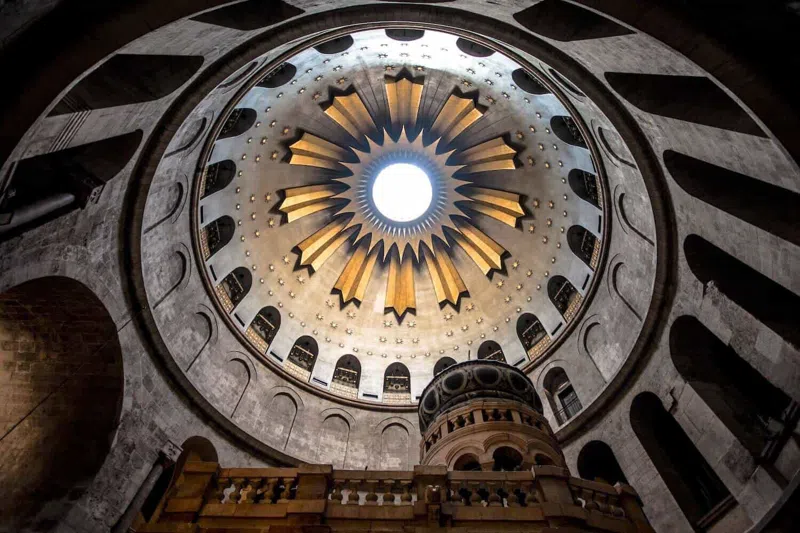
The single essential stop is St John's Co-Cathedral (on St John Street, just off Republic Street), and it is essential for one specific reason: the walls were carved directly into the limestone and then gilded, which is the definitive demonstration of how the softness of Globigerina stone shaped the whole Maltese Baroque. Adult entry is €15, with timed entry and an audio-guide. Groups are routed through online booking to manage the flow, so book your slot in advance rather than arriving on spec. A modest-dress code is enforced at the door — shoulders and knees covered — and enforced means enforced; wear or carry something that covers up, because there is no goodwill on this point and you will simply be turned away. Ninety minutes is realistic if the floor tombs interest you.
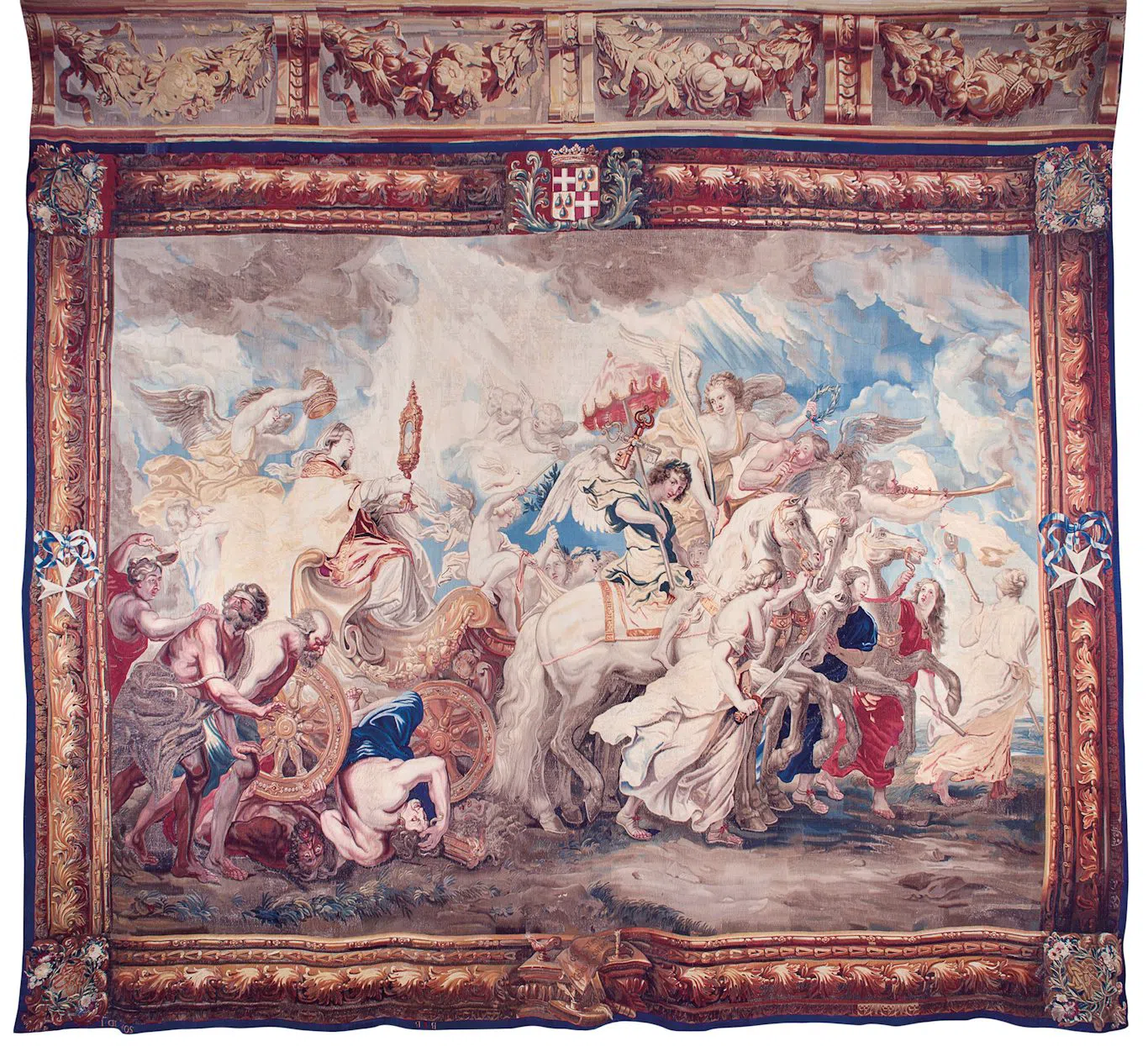
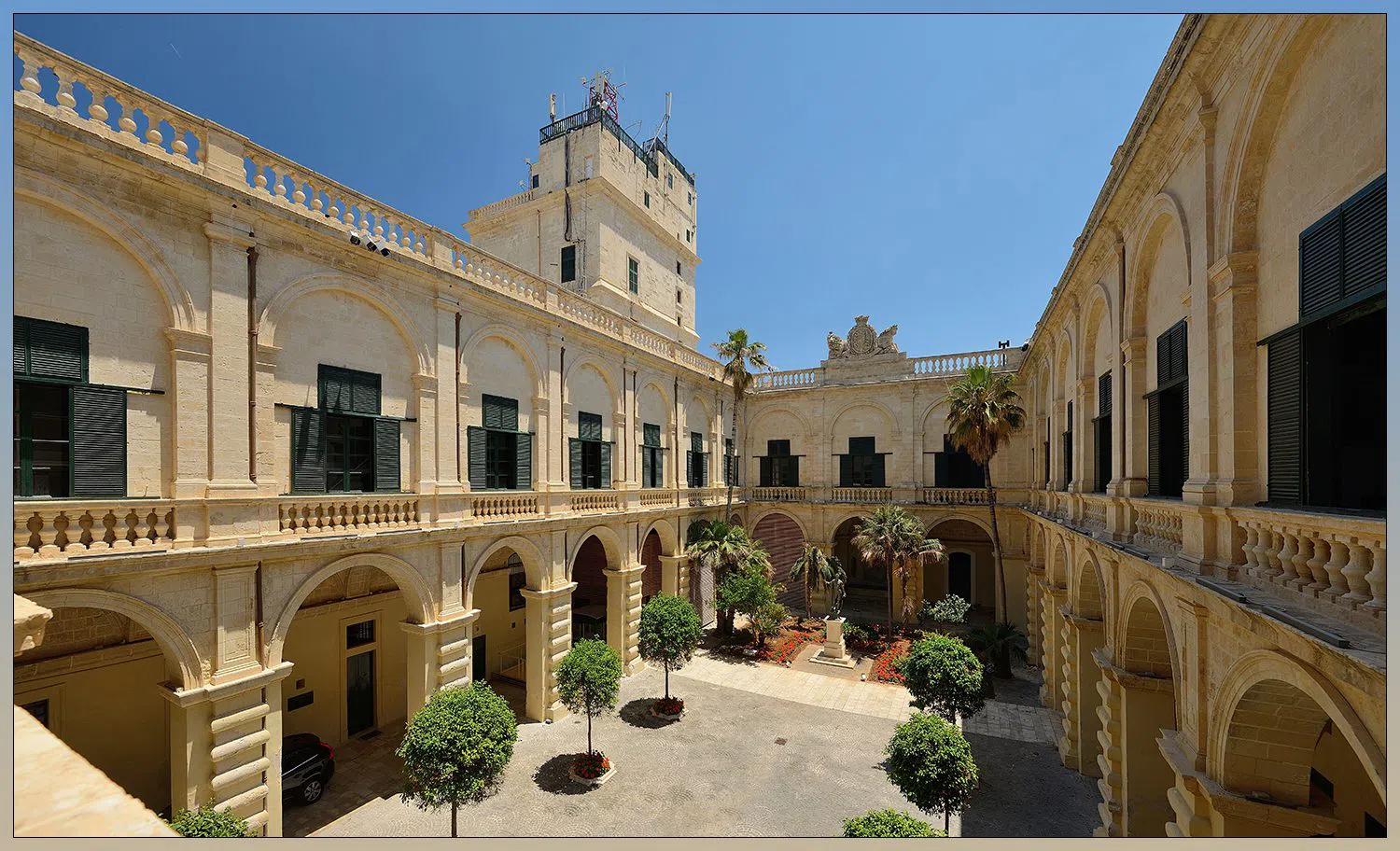
A two-minute walk north brings you to the Grandmaster's Palace — State Rooms & Palace Armoury (on Palace Square, off Republic Street), a Heritage Malta site with timed tickets at €12–15 for the Armoury and State Rooms combined. It reopened in 2024 after a major restoration, and the shell — designed by the architect Girolamo Cassar — shows the same hand as the Co-Cathedral, which makes the two a natural pair to read back to back. One caveat you must plan around: the State Rooms occasionally close without notice for state or presidential functions. Check on the day you intend to go, because the Armoury alone, while worth seeing, is not the reason most people come.
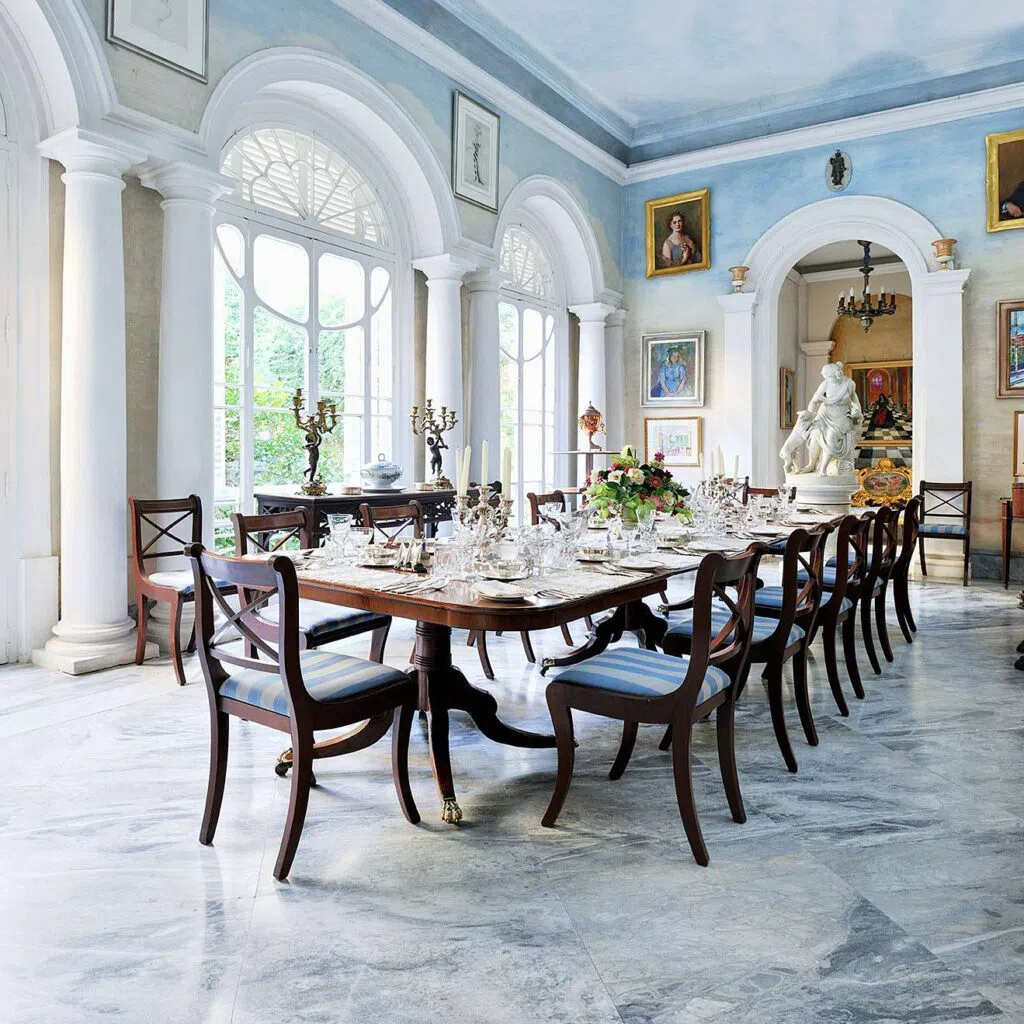
Continue down toward the lower end of Republic Street for Casa Rocca Piccola (Republic Street, near the eastern end), the only privately owned palace in Valletta open to visitors. It is a Knight's-era stone home still lived in by the noble family, with its own rock-cut shelters tunnelled underneath — a small, intimate lesson in how the same stone that built the cathedral also sheltered a household. Guided tours run Mon–Sat, led by the family, with an app audio-guide as an alternative; entry is about €15. This one suits couples and small parties better than large groups: the rooms are domestic in scale and a big tour party fills them quickly. Book the guided slot if you want the family's own account.
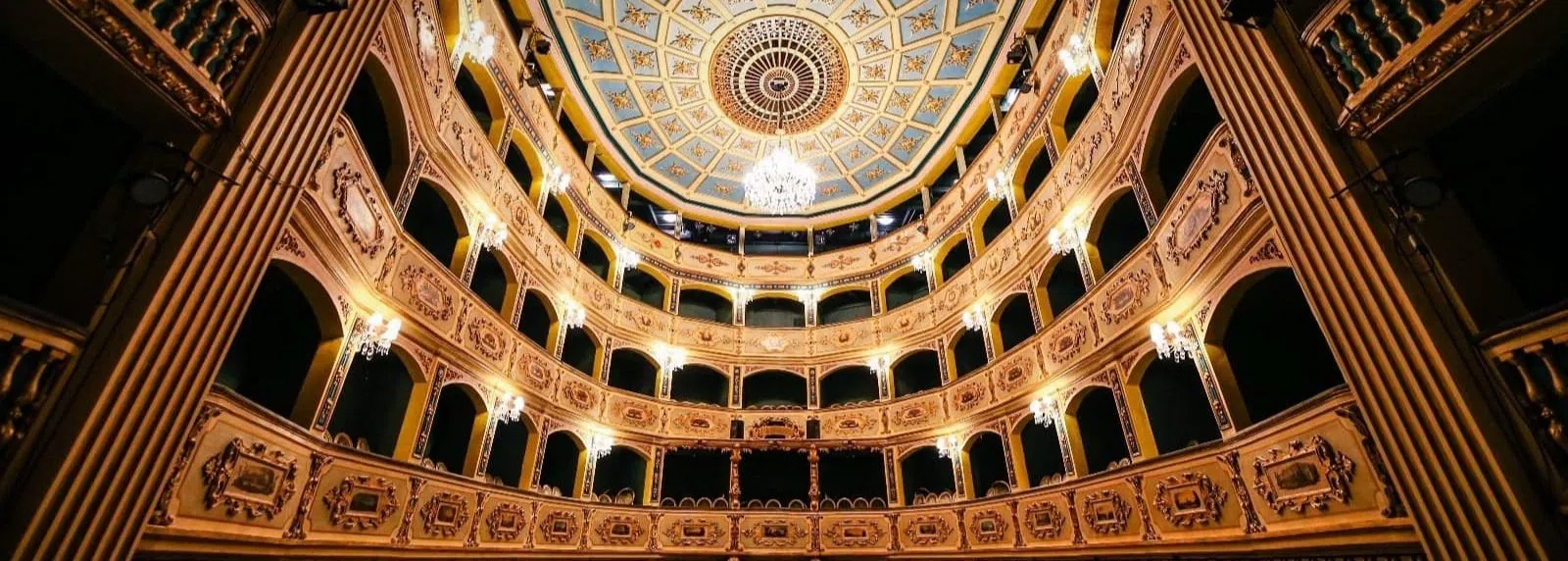
Two interiors round out the set, and both are quieter than their scale suggests. Teatru Manoel (on Old Theatre Street, a couple of minutes uphill from the palace) is one of Europe's oldest working theatres, hidden behind an unassuming stone façade — a fine, human-scaled counterpoint to the fortress architecture everywhere else. Guided tours of about thirty minutes run Tue–Sun and cost roughly €5; book ahead, because the tours work around the performance schedule and a matinée or rehearsal will close the auditorium. It takes groups, but the tour is short, so it is an add-on rather than a centrepiece.
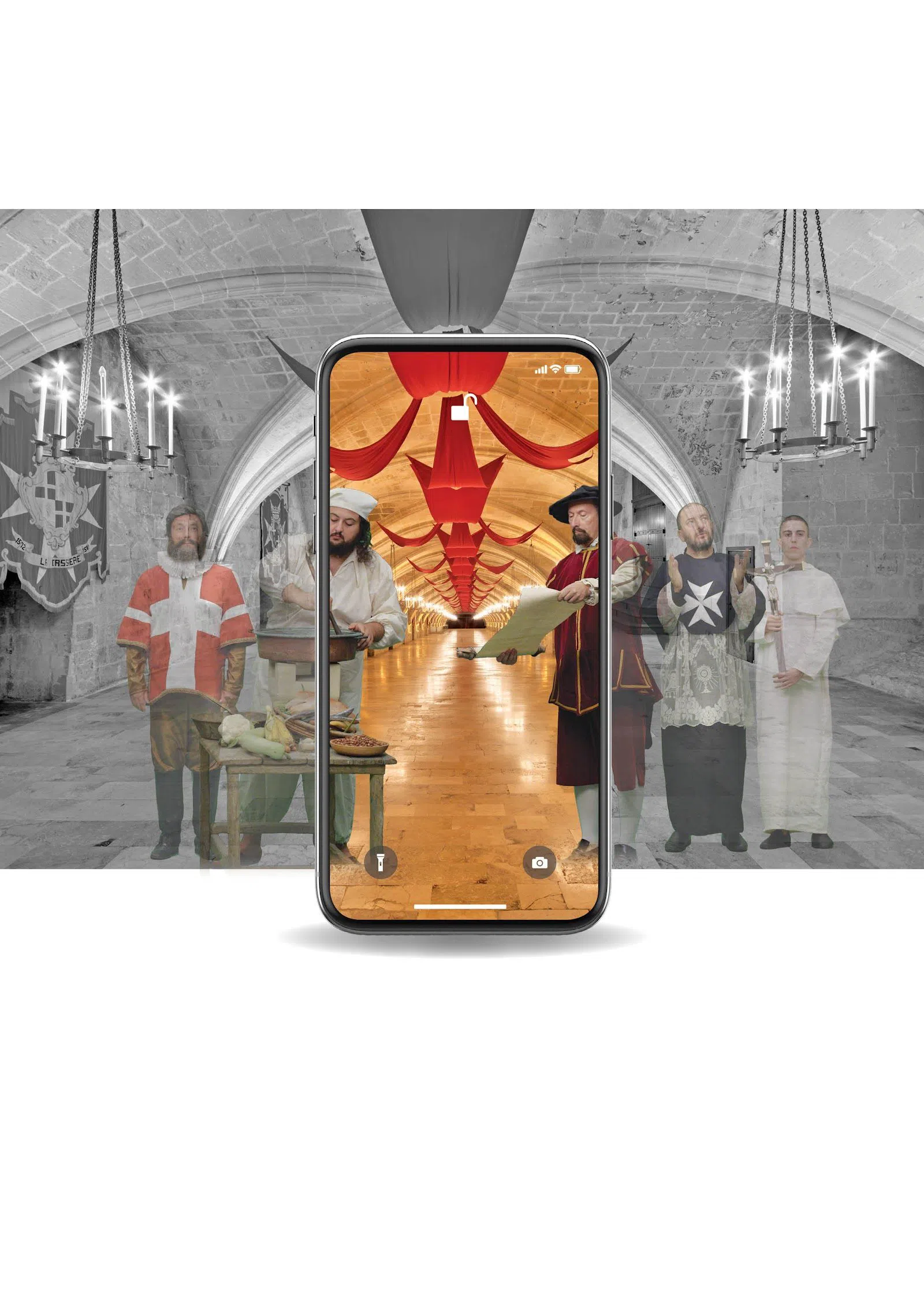
Down at the seaward end of the city, in the old Sacra Infermeria building, sits Sacra Infermeria & The Malta Experience (Mediterranean Conference Centre, at the lower end of the peninsula near the water). This is one operator and one entry, not two venues: a multilingual audio-visual show that orients newcomers, plus a guided tour that walks you through the vast vaulted limestone infirmary hall the Knights built for their hospital. The combined show-and-tour ticket is about €16. It is built for groups and handles them easily. If you arrive in Valletta with no sense of the island's history, this is a reasonable first afternoon; if you already know the outline, come for the ward tour and treat the show as the warm-up.
Reading the walls: fortifications and the ditch
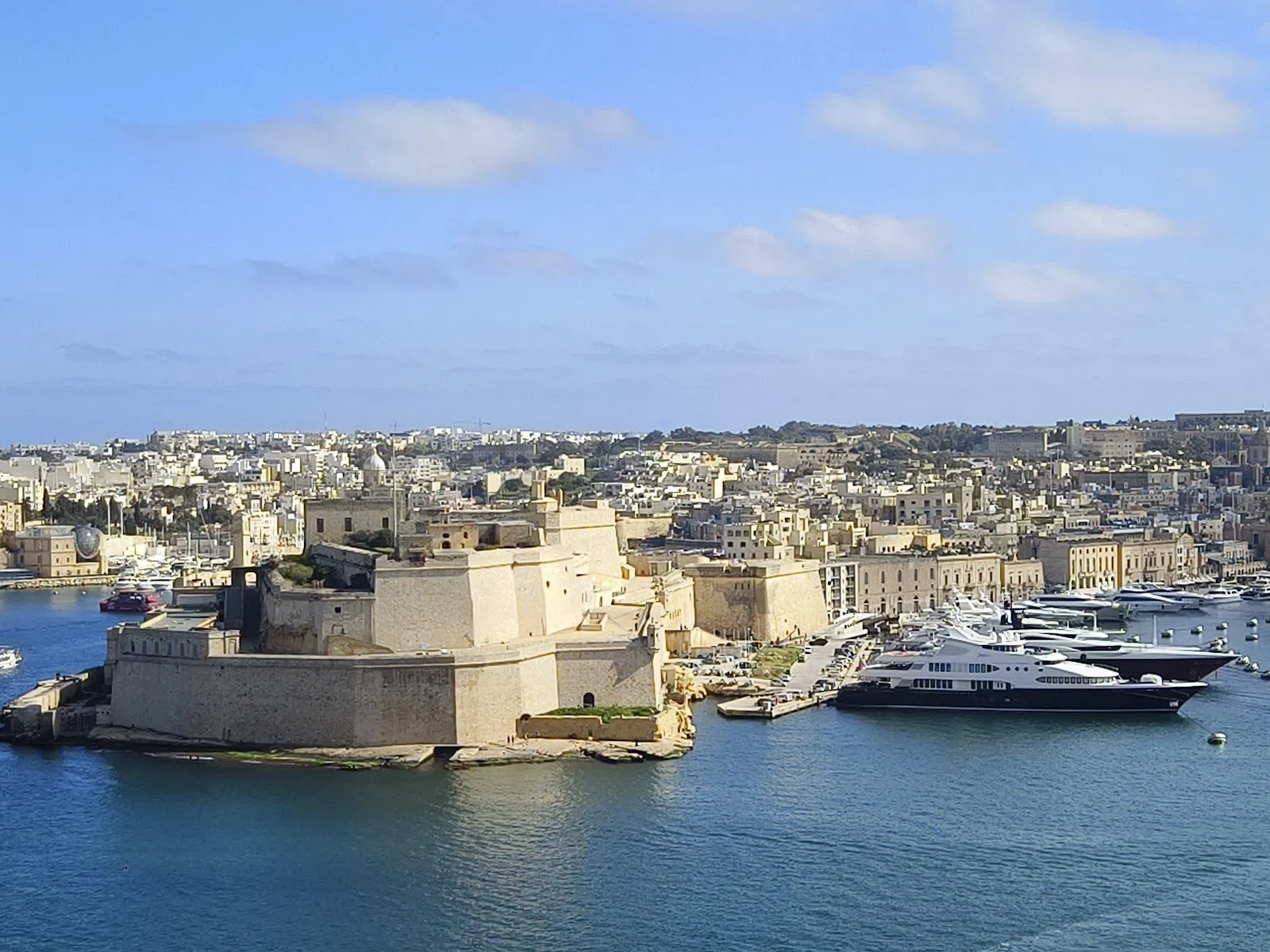
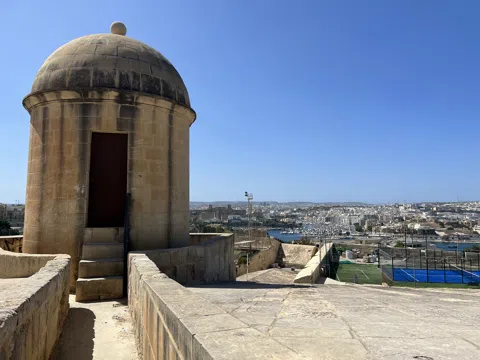
Now go outside, because the fortifications are where the geology lesson is delivered in the raw. Start at the Upper Barrakka Gardens & Saluting Battery (on the southwest bastion, about five minutes' walk from City Gate). The gardens are free and open to everyone; from the terrace you can see the whole point at once — a bastioned limestone finger rising out of the Grand Harbour, which is the clearest single view of the city's site geology anywhere. Guided access to the Saluting Battery below the terrace costs €3 and takes groups; the gun is fired at noon and at 16:00 if you want to time your visit to it. The Barrakka Lift down to the harbour front is €1, and worth it if your knees would rather not take the steps back up.
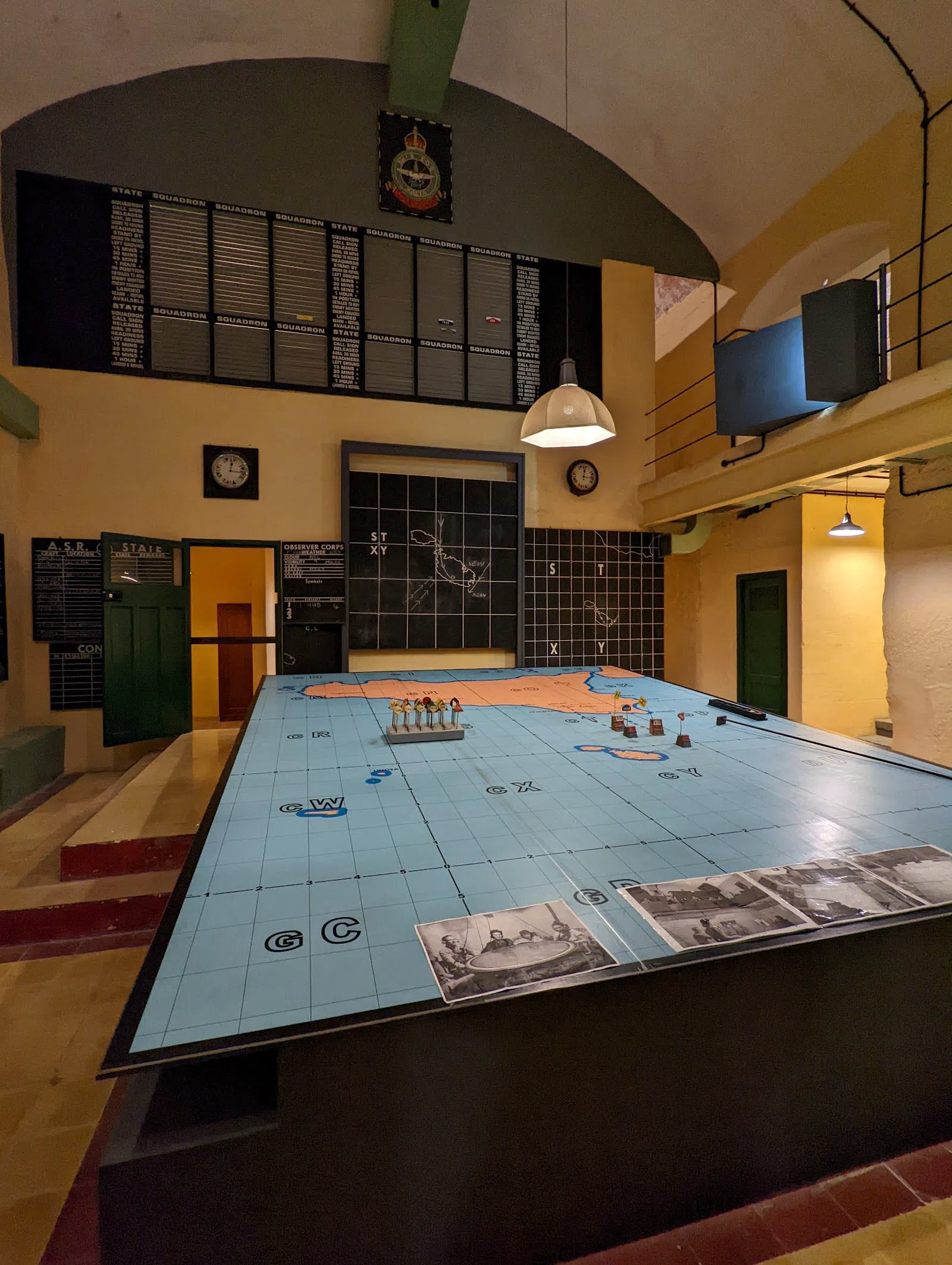
Directly beneath the gardens are the Lascaris War Rooms (accessed from below the Upper Barrakka bastion), which show the other face of Malta's soft stone: how easily it was tunnelled. This warren was cut into the rock as a WWII and later Cold-War command bunker. Guided tours run daily at 10:00, 13:00 and 14:00, at €17 a head, and the fixed times matter — you cannot wander in, so build your day around one of those three slots. It suits groups by booking. It is underground, cooler than the street, and takes about an hour.
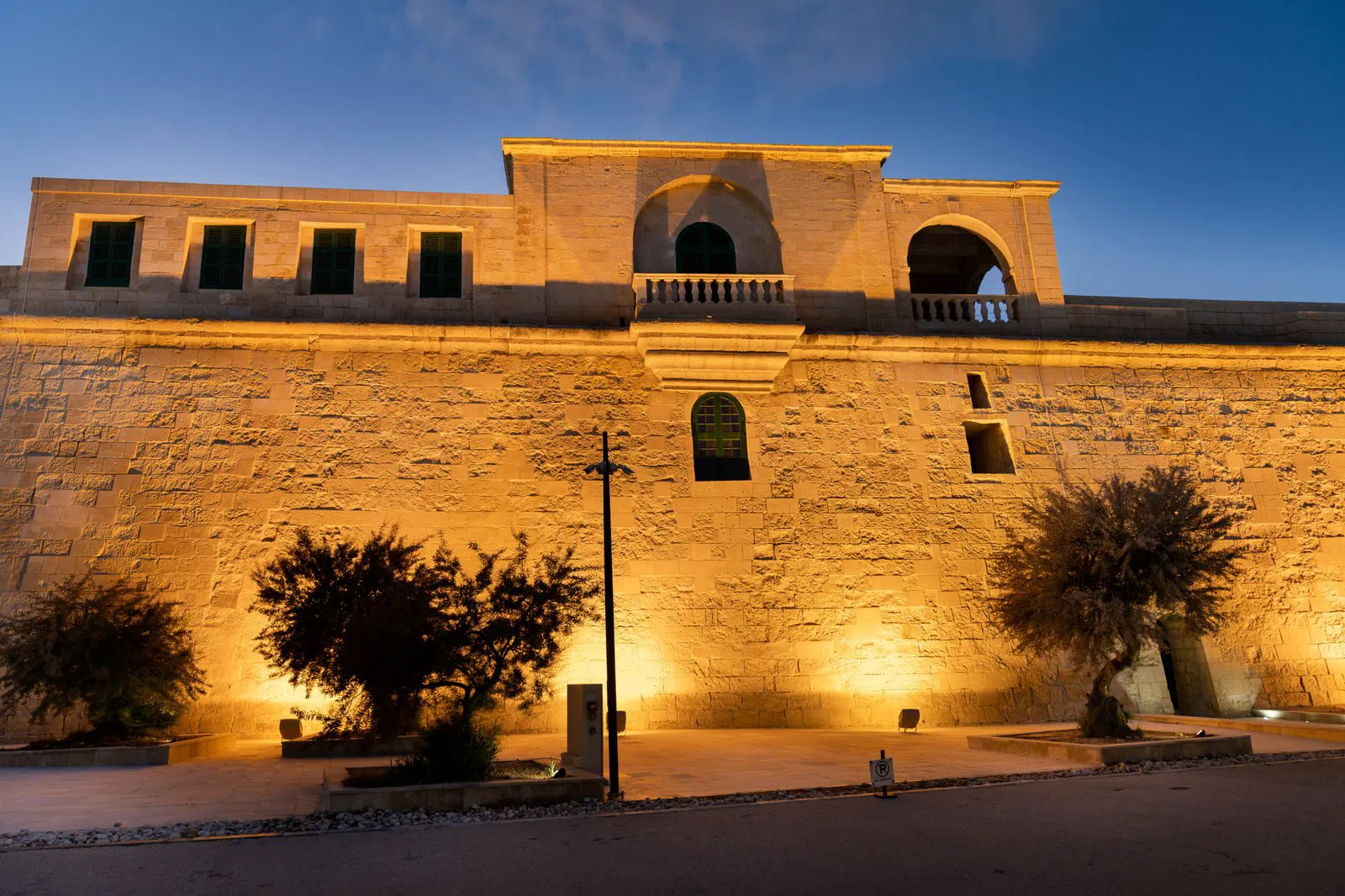
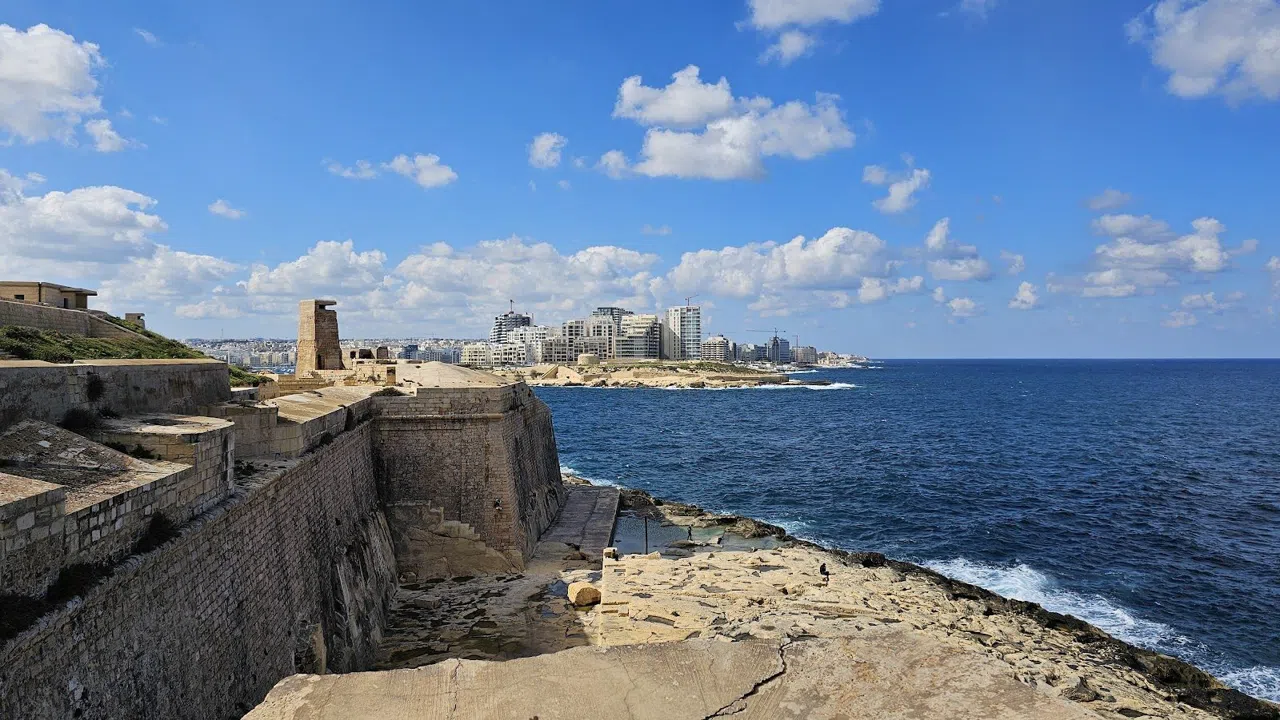
Walk the length of the peninsula to its tip for Fort St Elmo & National War Museum (at the seaward point, roughly a kilometre or fifteen to twenty minutes on foot from City Gate along Republic Street). Entry is around €10. This is the blunt seaward star-fort that broke the great siege of 1565, and it is the best place on the island to read bastion geometry cut from living rock — the angles of the walls make sense once you are standing inside them. It is a large open site that takes groups easily, with In Guardia historical re-enactments on selected dates; check the calendar if that appeals, but the fort stands on its own without them. Give it ninety minutes, more if the war museum holds you.
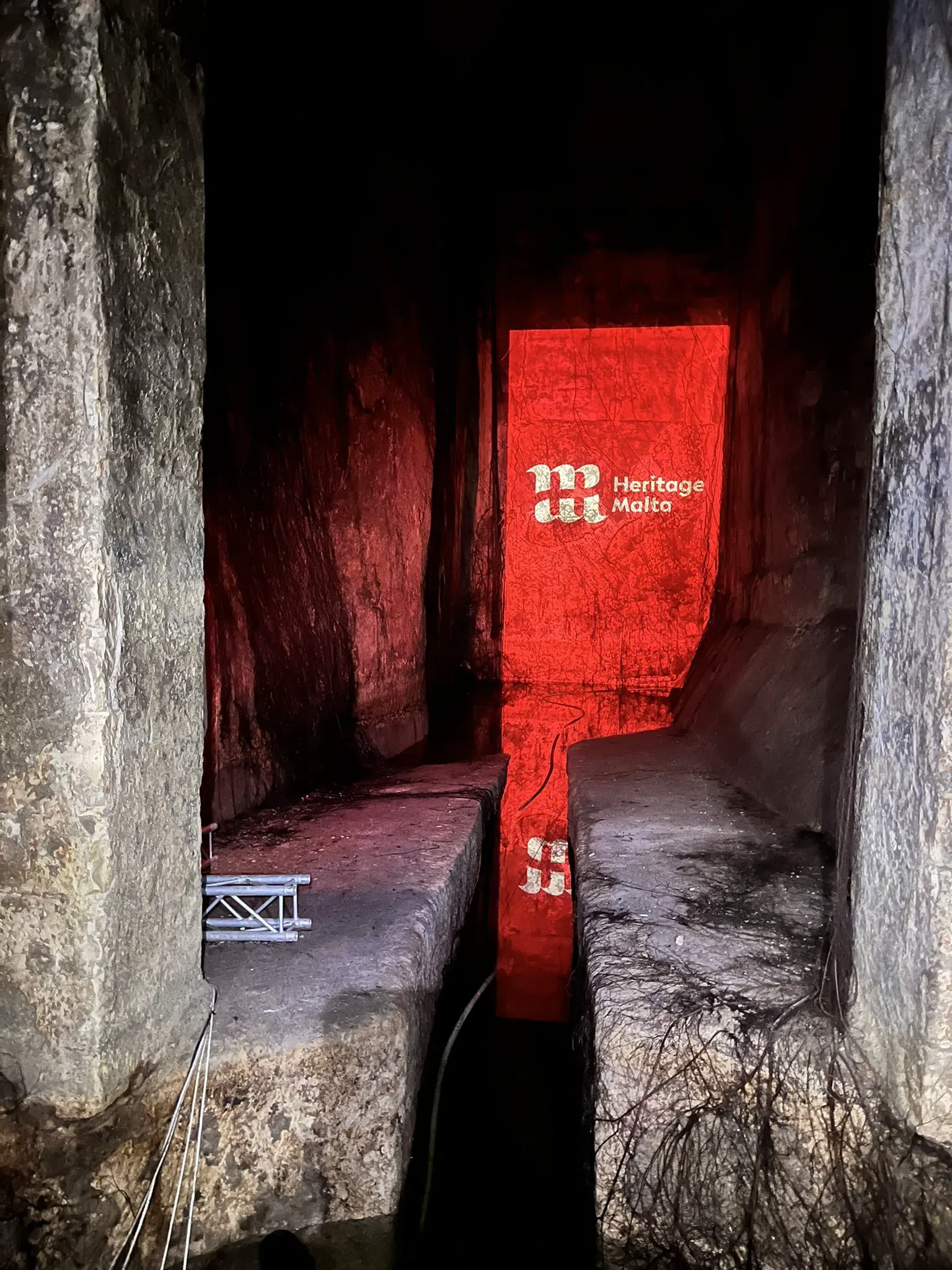
Between all of these, and free, are the Valletta Fortifications & the rock-cut City Ditch (the landward walls and the deep dry ditch below City Gate), which you can walk self-guided at any hour and in any group size. This is the lesson in its simplest form: the stone dug out to make the ditch became the walls standing above it. Stand in the ditch, look up, and the whole logic of the city — quarry down, build up — is in front of you at once. It costs nothing and asks nothing; twenty minutes here will do more for your understanding than any single interior.
Let a guide join the dots
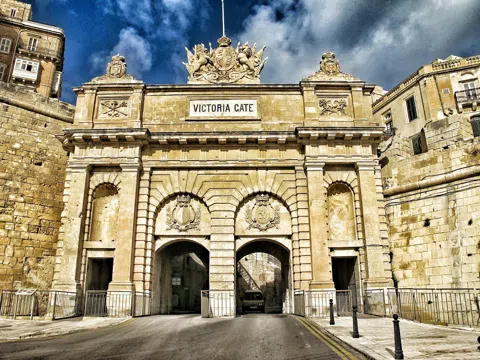
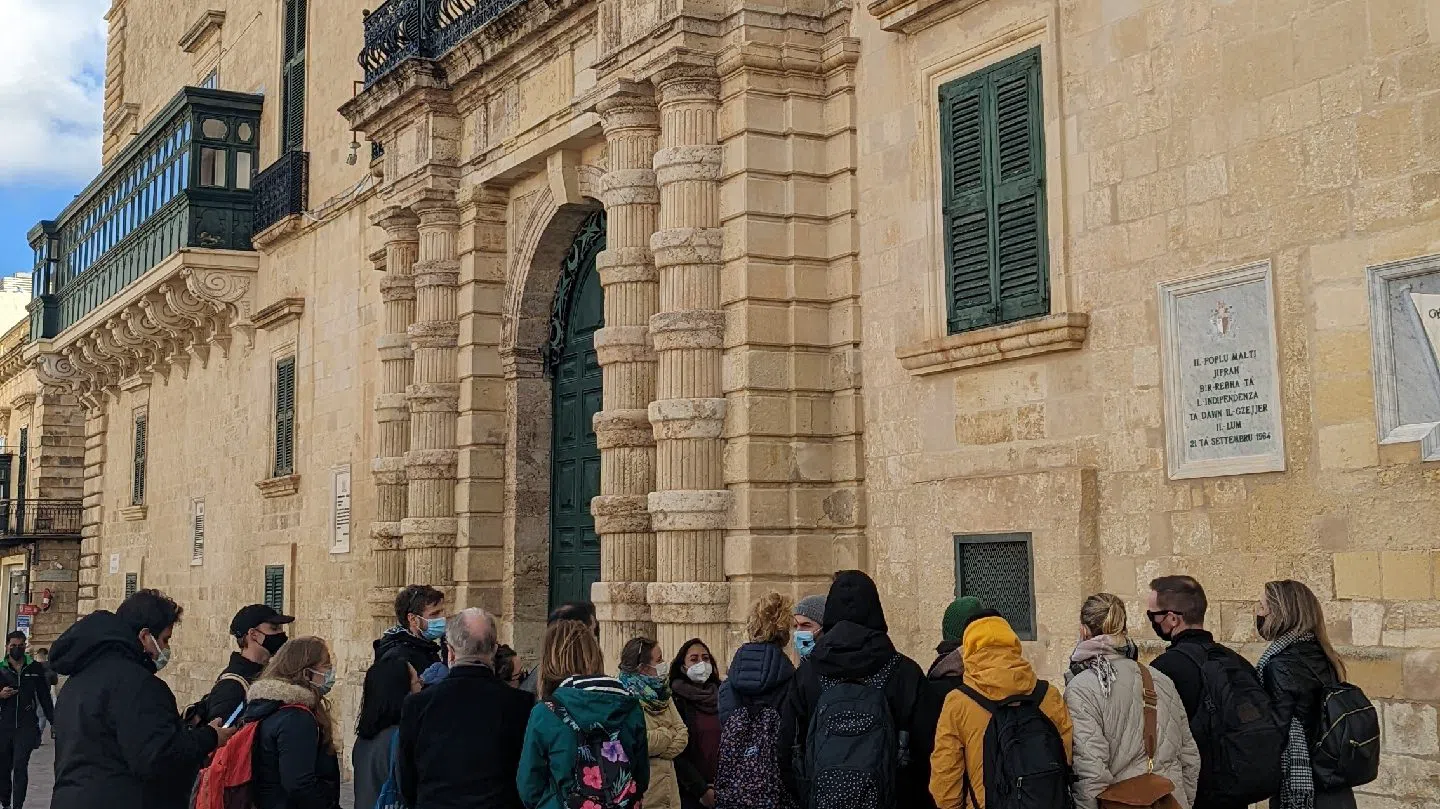
If you would rather have the architecture explained in context than read it cold, Walkative Valletta Walking Tour (meeting near City Gate) is the efficient option. Licensed local guides run daily at 10:00 and 14:00 on a pay-what-you-wish basis — reckon on €5–10 per person as a fair contribution — with private tours available at a higher fixed rate. Valletta was Europe's first grid-planned city, and a guide who can point out the logic of the grid, the palaces and the monuments as you pass them saves you a great deal of guesswork. It is built for groups; if you are a couple who wants depth, the private option is the one to ask about. Take it early in your stay so the rest of your walking has a frame to hang on.
Practical notes
Getting there and around. Valletta is a peninsula roughly one kilometre long and six hundred metres wide, and the only sensible way to see it is on foot — the historic core is largely pedestrian and the cross-streets are steep, some of them stepped. From City Gate to Fort St Elmo at the tip is about a kilometre; you can walk the spine of Republic Street end to end in fifteen minutes on the flat, longer if you climb the side streets. Buses from the airport and the rest of the island terminate just outside City Gate. For the Limestone Heritage Park, allow about fifteen minutes each way by taxi or bus.
Cash and cards. The local currency is the euro. Cards are accepted almost everywhere, but carry some coins: the Barrakka Lift (€1), the Saluting Battery (€3) and the pay-what-you-wish walking tour are all easier with cash in hand.
Timing. Book St John's Co-Cathedral and the Lascaris War Rooms ahead — both use timed or fixed-time entry — and confirm the Grandmaster's Palace State Rooms are open on your day, since they close without notice for official functions. The midday hours are hot and bright for much of the year; the underground and interior sites (Lascaris, the Sacra Infermeria hall, the museums) are the natural places to spend the early afternoon, leaving the fortifications and gardens for the softer light later on. Dress modestly for the Co-Cathedral or carry a cover-up.
Budget. A full day of the essential paid stops — Co-Cathedral (€15), Grandmaster's Palace (€12–15), Fort St Elmo (≈€10) and the Lascaris War Rooms (€17) — comes to roughly €55–60 per adult. The free anchors (Upper Barrakka Gardens, the City Ditch and the Fortress Builders centre) mean you can build a genuinely worthwhile day around €10–15 if you would rather spend on one great interior than on four.
For where to stay, see the Valletta hotel search; for the wider picture of the city, the Valletta guide covers eating, harbours and day trips beyond the stone.
Before you go
Why is Valletta the colour it is?
The whole city was quarried from and built with soft, honey-coloured Globigerina limestone, so the walls, the bastions and the carved interiors are all the same warm stone — which is why the peninsula reads as one block, especially in low afternoon light. The Limestone Heritage Park and the free Fortress Builders centre both explain the geology clearly.
Which single site should I not miss?
St John's Co-Cathedral, on St John Street. Its walls were carved directly into the limestone and then gilded, making it the definitive example of how the softness of the stone shaped Maltese Baroque. Entry is €15 with timed slots, a modest-dress code is enforced, and groups are routed through online booking, so book ahead.
Can I see everything on foot?
Yes. Valletta is about one kilometre long and largely pedestrian; City Gate to Fort St Elmo at the tip is roughly a kilometre or fifteen to twenty minutes' walk. The only stop that needs transport is the Limestone Heritage Park, about fifteen minutes out of the city. Expect steep, sometimes stepped cross-streets.
What does a day of sightseeing cost in 2026?
The essential paid stops — Co-Cathedral (€15), Grandmaster's Palace (€12–15), Fort St Elmo (about €10) and the Lascaris War Rooms (€17) — total roughly €55–60 per adult. Because the Upper Barrakka Gardens, the rock-cut City Ditch and the Fortress Builders centre are free, you can also build a good day for €10–15.
Which places suit groups and which suit couples?
Fort St Elmo, the Sacra Infermeria show and tour, the Lascaris War Rooms and the Walkative walking tour are all built for groups. Casa Rocca Piccola and Teatru Manoel are domestic in scale and better for couples or small parties; a large group fills their rooms quickly. Confirm the Grandmaster's Palace State Rooms are open before you go, as they close for state functions without notice.