
Mdina keeps the nickname, but Valletta keeps the paintbrush. Walk two minutes off Republic Street and you are standing in front of Caravaggio's only signed work, hung in a cathedral whose every surface has been gilded, frescoed or carved to compete with it. Mdina can have the quiet streets; Valletta built the drama, and it kept building for three hundred years after the painting went up.
One Room, One Caravaggio
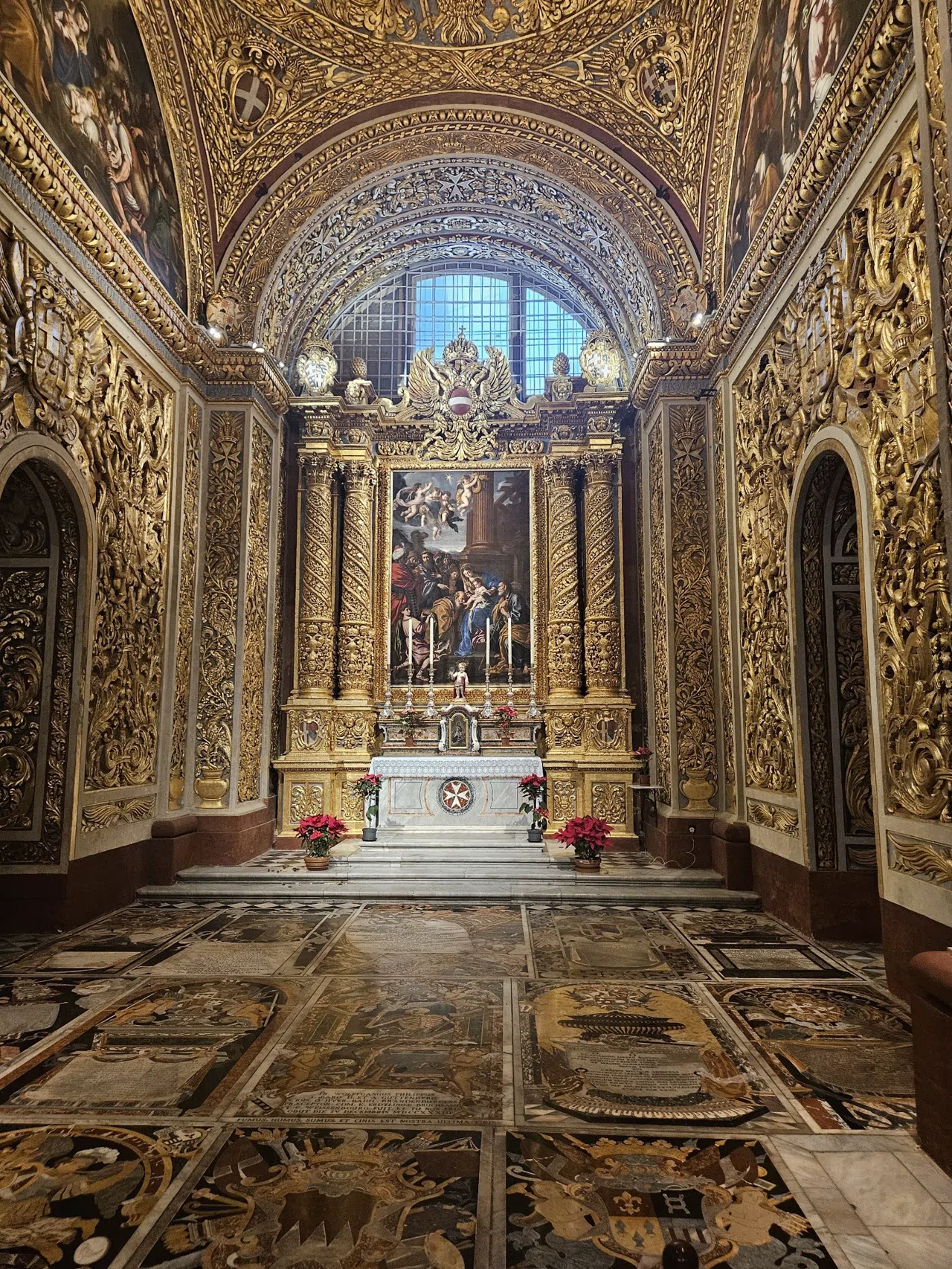
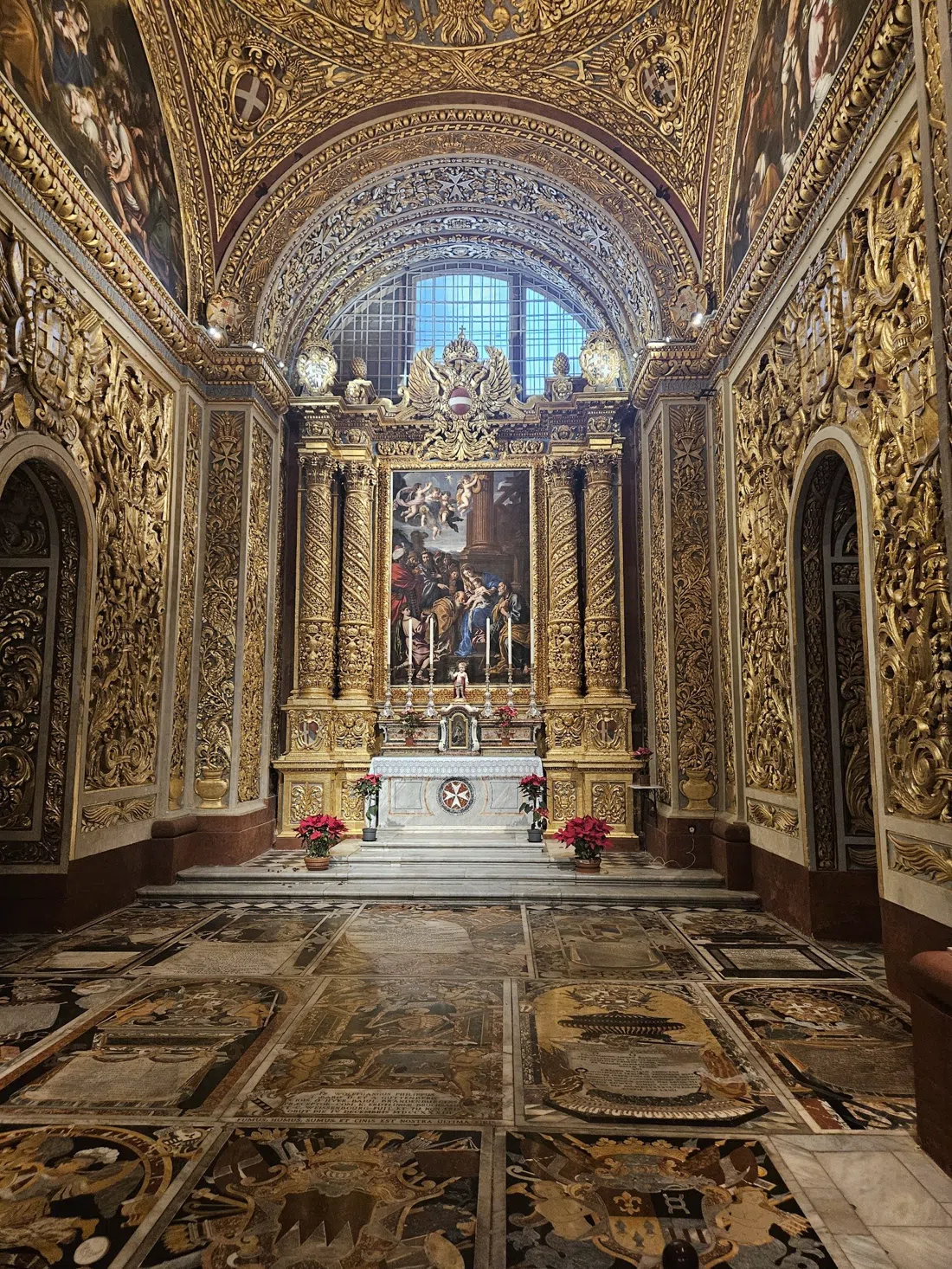
St John's Co-Cathedral (Triq San Ġwann, just off Republic Street) is the reason this piece exists. The Oratory holds The Beheading of St John the Baptist, the only painting Caravaggio ever signed — he wrote his name in the pooling blood beneath the saint's throat — and it hangs alone in a room built for exactly this kind of confrontation. The rest of the cathedral does not let up either: the entire nave floor is inlaid marble tombstones of the Knights of Malta, and the side chapels compete national-language by national-language in gilt.
Entry is €15 for adults, €12 for seniors and students, with the belfry climb an extra €5. It suits couples and independent travellers fine on a walk-up basis, but groups need to plan: third-party operators cap Co-Cathedral stops at roughly 25 people, and the Foundation staggers entry to protect the tombstones underfoot, so large parties get spaced rather than waved through together. If you want a private or after-hours tour — worth it if you want the Oratory without a crowd around the painting — book at least a month ahead and expect to pay two weeks out.
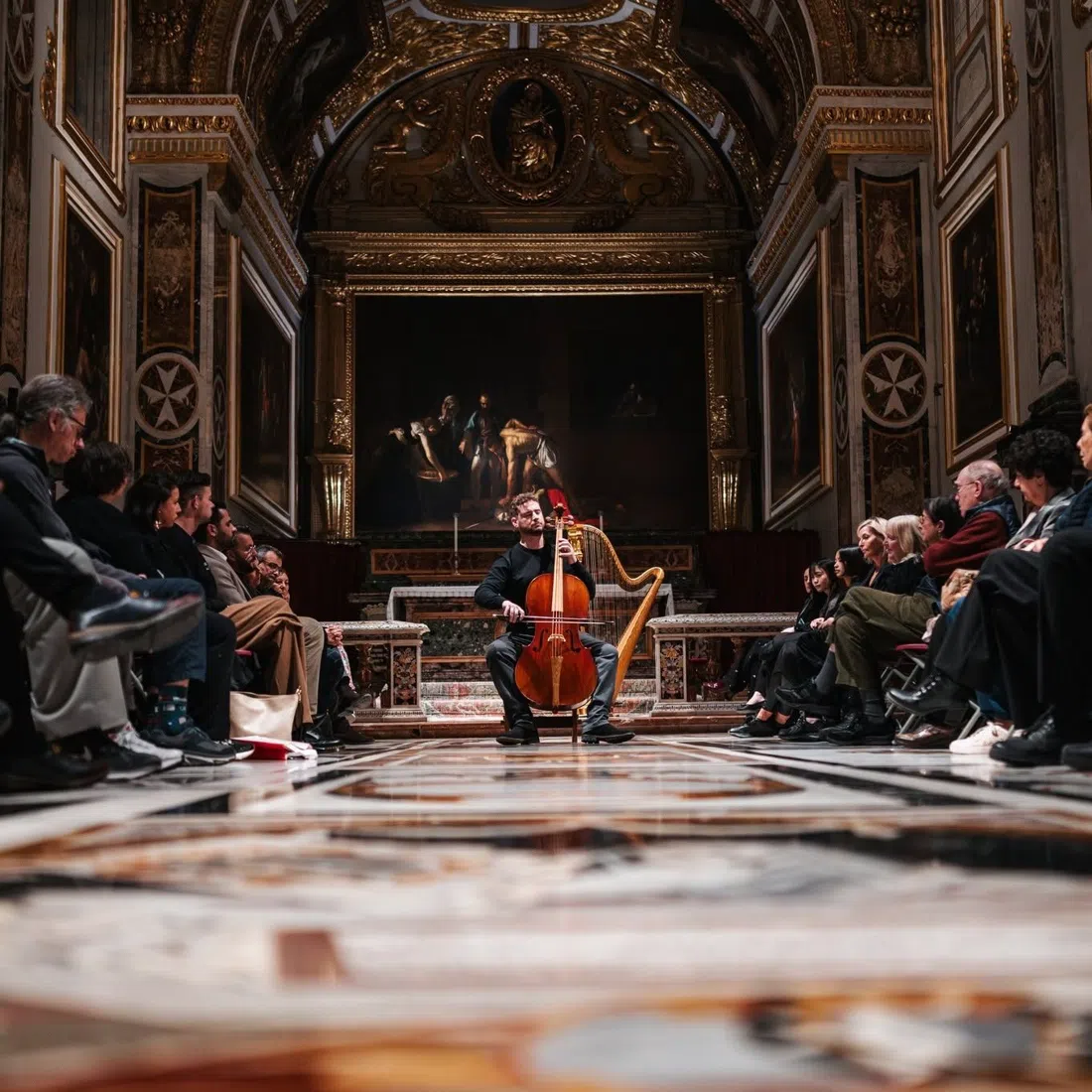
For a different way into the same room, Valletta Resounds: The Caravaggio Experience stages a candlelit, 40-minute concert in the Oratory itself, with Baroque harp, violin and cello, sacred Maltese vocal music, and narration built around the painting's story. It runs seasonally — the 2026 season is scheduled from 10 March to 15 June, doors at 18:00 for an 18:30 start — so treat it as a spring add-on rather than something you can book any week of the year, and check exact remaining dates on the official site before you build a trip around it. Standard seating starts in the mid-€30s; the VIP tier adds a guided tour beforehand and costs more. It's a small-group format and genuinely not a walk-up — book ahead through vallettaresounds.com.
The Baroque Bench Beyond the Cathedral
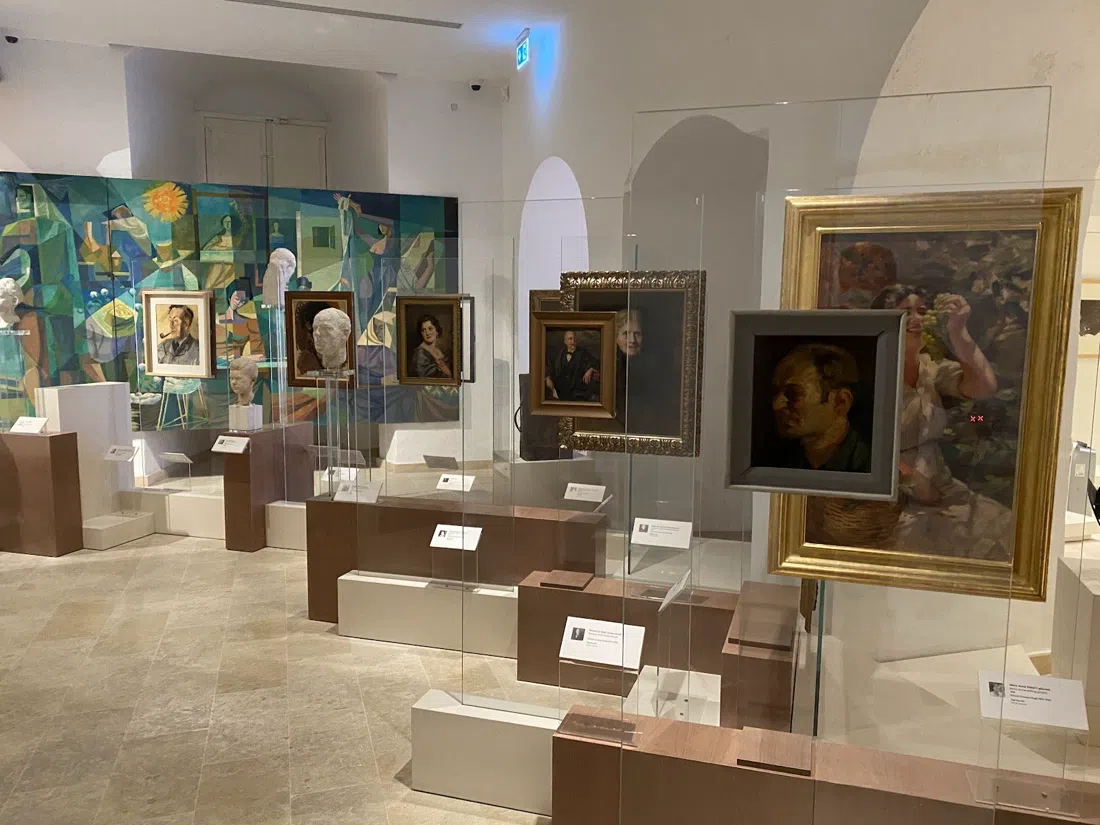
One painting is not the whole argument, and this is where MUŻA – The National Community Art Museum, housed in the Auberge d'Italie on Merchants Street, does its work. This is the deepest Baroque bench in the city outside the Co-Cathedral: Mattia Preti (who painted the Co-Cathedral's vault), Jusepe de Ribera, Valentin de Boulogne, Guido Reni. If the case for Valletta is that it's a Baroque city and not a one-painting city, MUŻA is the exhibit. It's a Heritage Malta site, around €5 to enter, with group and guided tour options bookable through muza.mt or arranged on arrival. Give it forty-five minutes minimum — longer if you want to actually look rather than pass through.
The Knights' Seat of Power
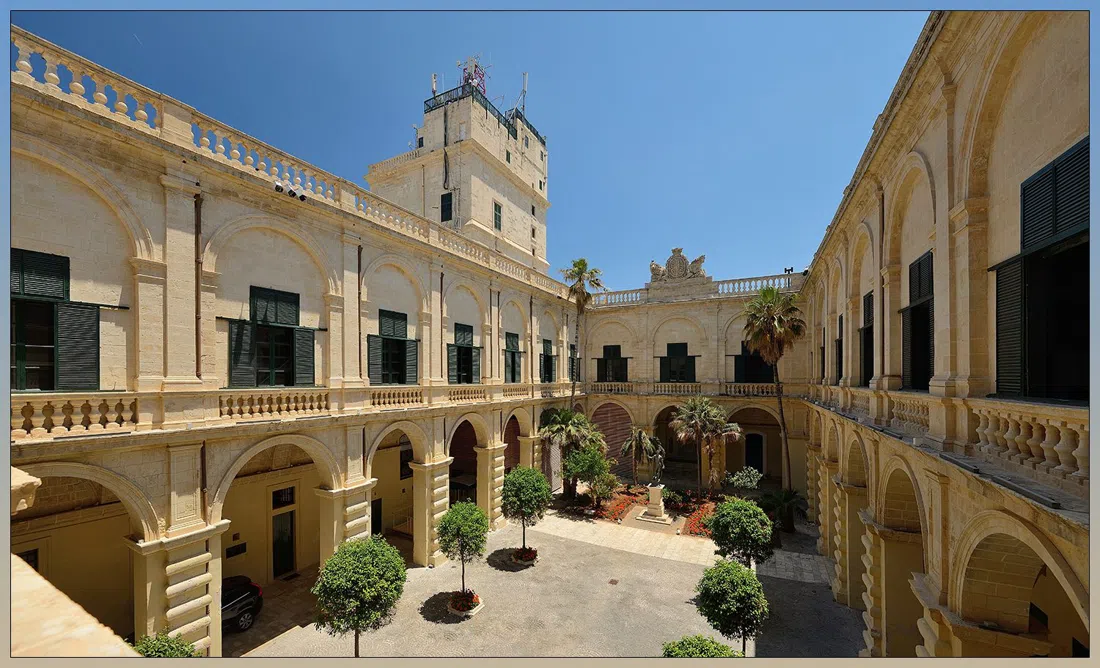
A short walk to St George's Square puts you at the Grand Master's Palace State Rooms, the political counterweight to the cathedral's religious one. The Knights frescoed their council chambers and corridors to the same ambition as St John's, and the armoury downstairs is one of the largest collections of its kind still in its original setting. A combined palace-and-armoury ticket runs roughly €12–15, and large groups are handled routinely. The one honest caveat: the State Rooms are a working government space and can close without notice for presidential functions. If you're promising this stop to a group, verify access on the day through Heritage Malta rather than assuming it from the website.
Baroque in Miniature: Theatre and Parish Churches
Between the big-ticket stops, Valletta has a run of smaller, cheaper, faster Baroque that rewards a slower walker more than a checklist tourist.
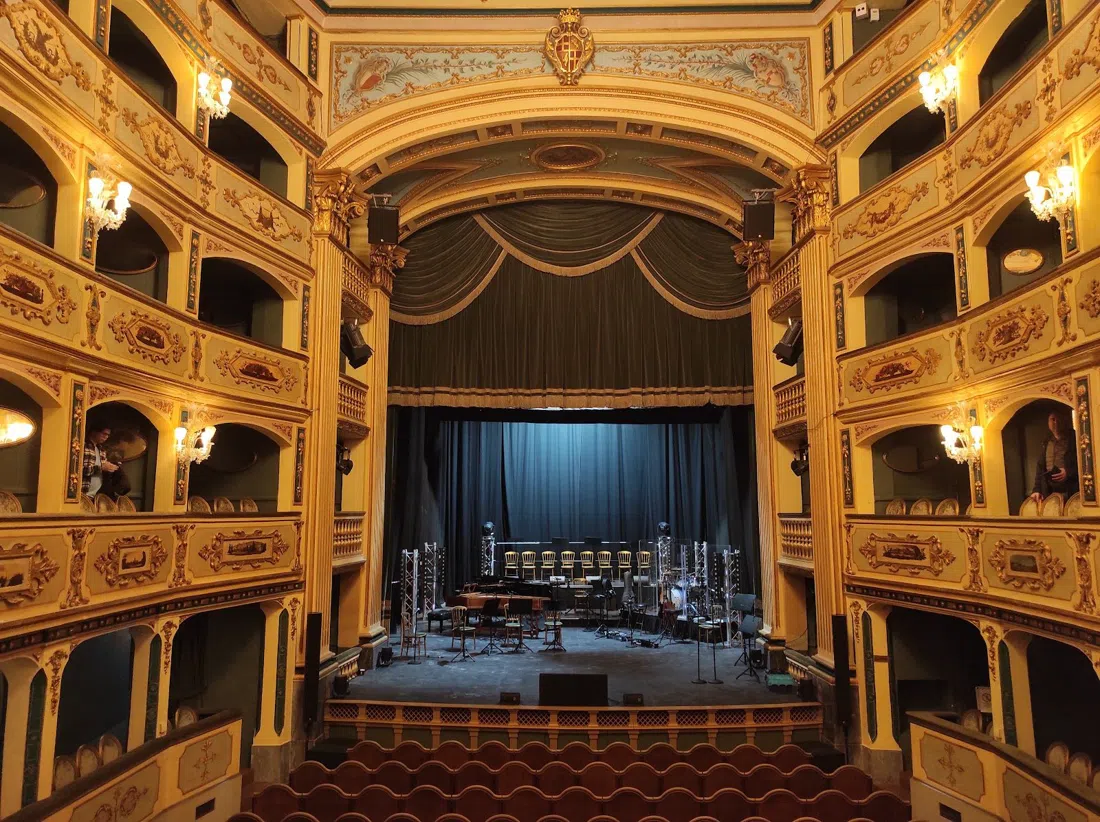
Teatru Manoel, on Old Theatre Street, is the third-oldest working theatre in Europe and a Baroque set-piece scaled down to a horseshoe auditorium of gilded box seats. Weekday guided tours run 10:00 to noon, cost around €5, and groups are welcome; private tours can be arranged directly through the theatre or Heritage Malta. It's a fast, cheap add between church visits and one of the few interiors in Valletta where you can sit down.
The Collegiate Parish Church of St Paul's Shipwreck, on St Paul Street, is a working parish church that happens to hold a relic most cathedrals would build their entire pitch around — a fragment of the column on which St Paul was beheaded, and a wrist bone relic. Entry is free, donations welcome, and small free-standing groups are fine; larger tour groups should time their visit around Mass, and since hours track the church's actual liturgical schedule, confirm same-day rather than trusting a printed timetable.
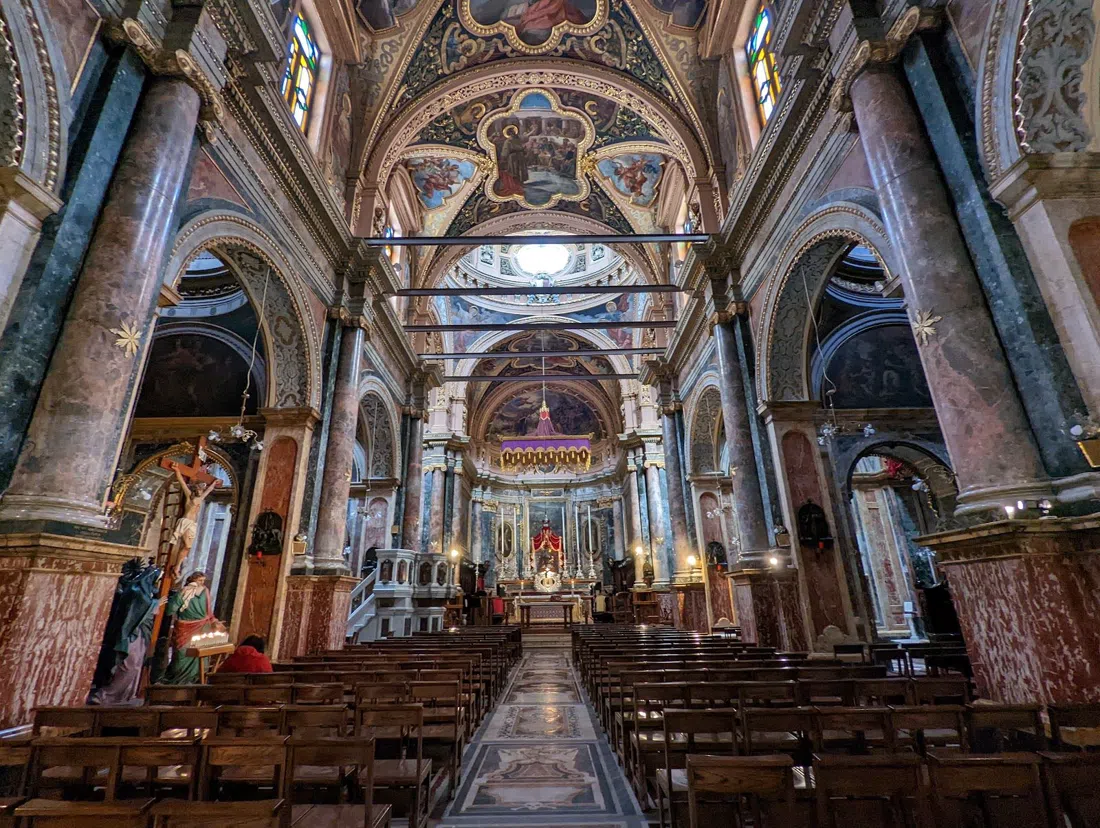
The Jesuits' Church — formally the Church of the Circumcision, known locally as il-Ġiżwiti, off Merchants Street — is the freshest Baroque story in the city right now: it reopened after a five-year, €5 million restoration, and its oratories are open Tuesday to Sunday. Entry is free, donations support the restoration, and groups are welcome, though it remains an active parish church so plan around Mass times. Most guides haven't caught up to this one yet, which makes it a genuinely underused stop.
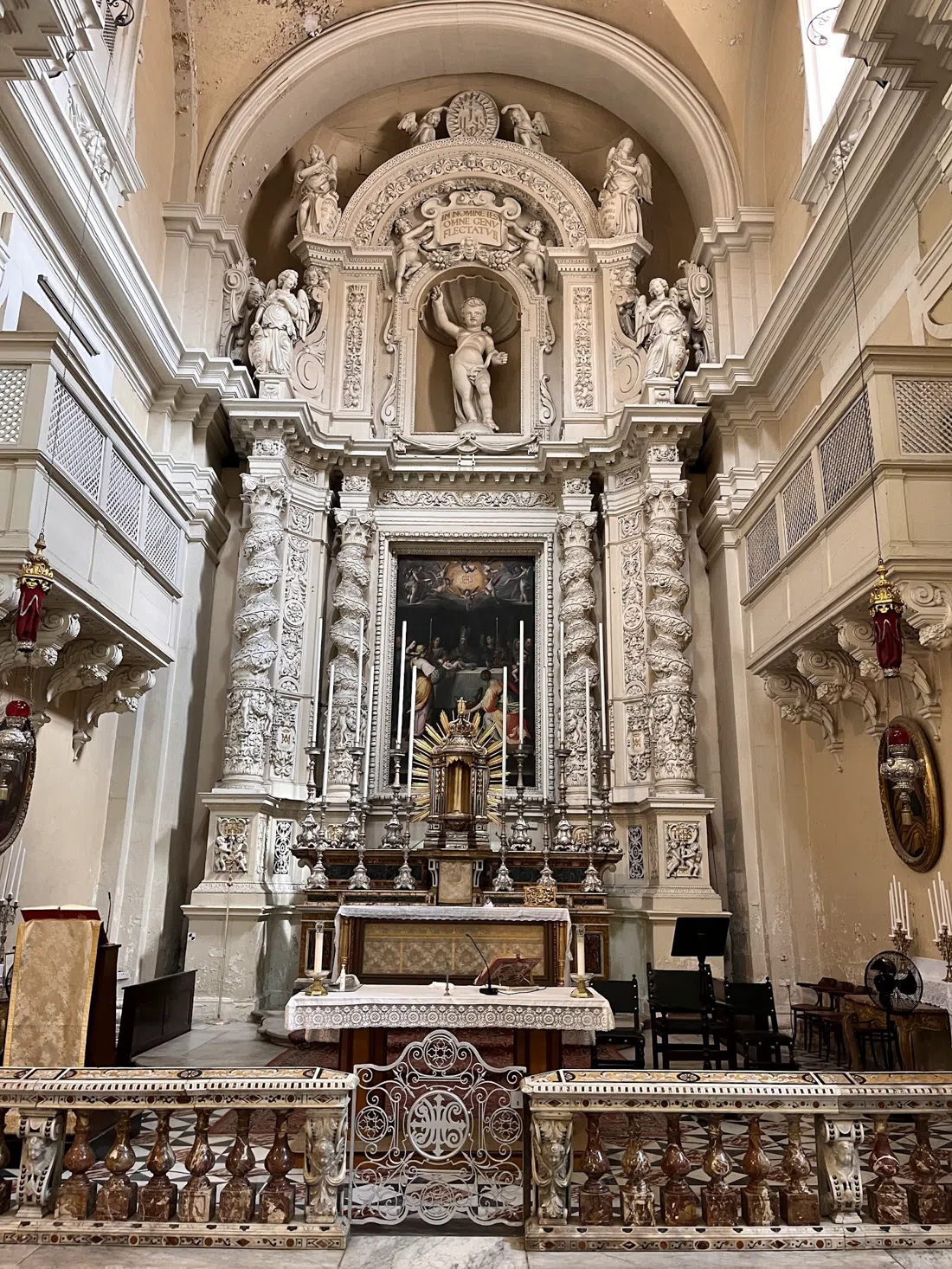
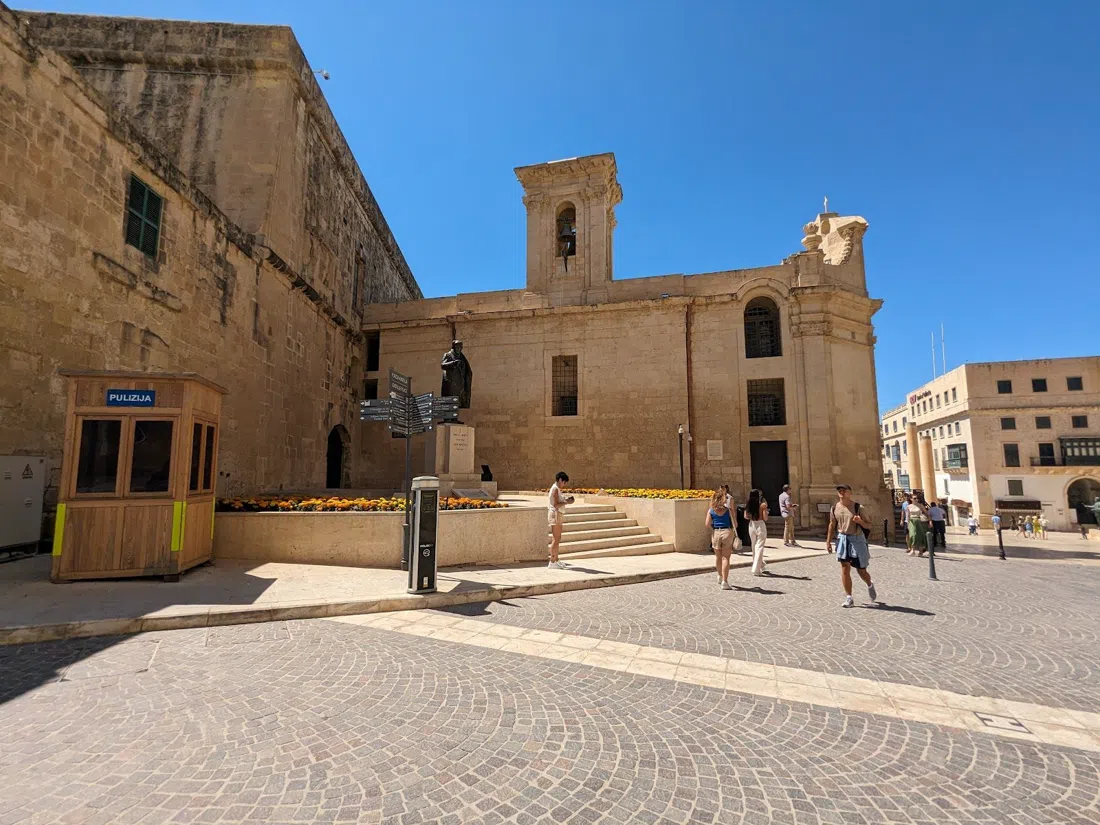
And for the origin story, the Church of Our Lady of Victory, on Triq il-Punent just inside City Gate near Independence Square, is the oldest church in Valletta and the point the whole city grew from — Grand Master La Valette laid its foundation stone before the rest of the city existed. It's small, best suited to small groups rather than coach parties, entry is free, and it's two minutes' walk from the Co-Cathedral, making it an easy first or last stop on a Baroque route through the centre.
Architecture as Argument
Two more stops make the case that Valletta's Baroque isn't confined to church interiors.
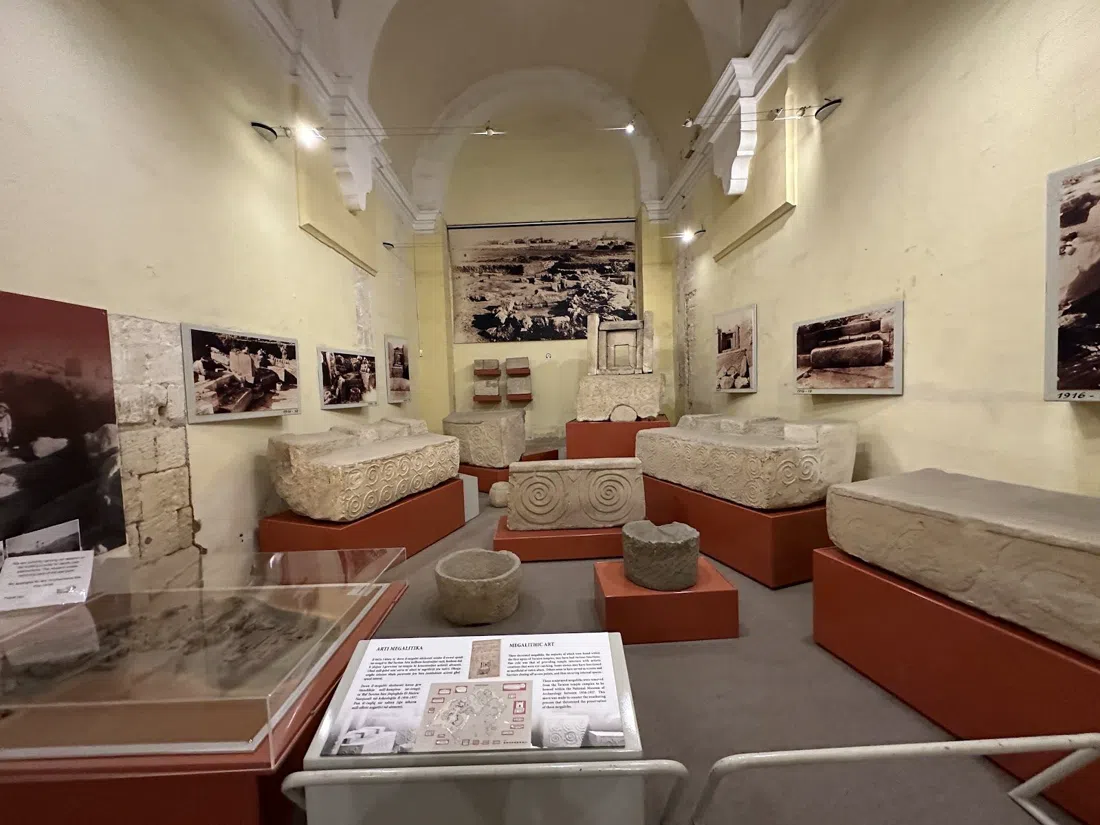
The National Museum of Archaeology, housed in the Auberge de Provence on Republic Street, is worth visiting as much for the building as the collection inside it — a Baroque palazzo built to house the Knights of the Langue of Provence, with the kind of stone detailing that rewards looking up as much as at the display cases. It's a Heritage Malta site, open daily 9am–5pm, around €5, and groups are accommodated without fuss.
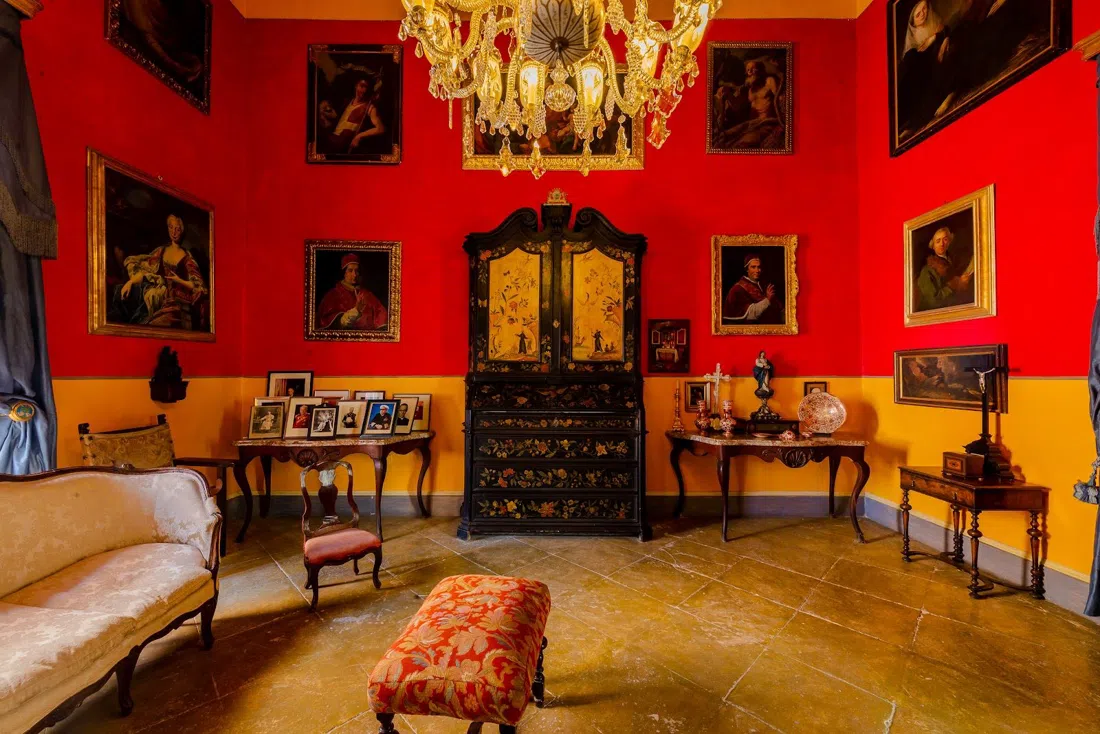
Casa Rocca Piccola, at 74 Republic Street, is the lived-in counterpoint: a noble palazzo that is still, in part, a family home rather than a museum piece behind glass. Guided tours run hourly, 10am to 4pm, except Sundays, at around €12–14, with group bookings arranged through V. Tabone Travel. Go before 10am if you can — cruise-ship groups fill the later slots fast, and this is a house that's better experienced without a queue behind you.
The Knights' Other Baroque: Hospital and Skyline
Two-thirds of the way through a Baroque day in Valletta, it's worth breaking the church-and-museum rhythm with something structurally different. The Mediterranean Conference Centre, built in the former Sacra Infermeria — the Knights' hospital — on Lower Merchants Street near the waterfront, is Baroque medicine rather than Baroque worship: a vast ward hall that once treated patients regardless of rank, now repurposed for conferences but still toured on advance booking. It's genuinely a different room from every church on this list. Guided tours are group-friendly and bookable through the on-site office, open Monday to Friday 10:00–13:00 and 17:00–19:00, Saturday 10:00–13:00; pricing runs roughly €5–15 depending on the tour package.
For the skyline shot that ties the whole route together, the Basilica of Our Lady of Mount Carmel, on Merchants Street in the centre of the city, is the dome that dominates every view of Valletta from the Grand Harbour. It's worth flagging honestly: this isn't Caravaggio-era Baroque — the current building dates to 1958–81, rebuilt after wartime bombing — so use it as a visual anchor for the city rather than a historical claim about the period. Entry is free and groups are welcome outside Mass times.
Planning Your Baroque Route
Transport. Valletta's historic core is pedestrianised and compact — every venue on this list sits within a fifteen-minute walk of the City Gate bus terminus, which is also where most island buses converge. Ferries run from Sliema and Cospicua/Birgu directly to the waterfront below Valletta if you're staying across the harbour. Driving in isn't worth it; park at the Park & Ride outside the walls and walk in, or skip the car entirely. If you need somewhere to base yourself for a few days of church- and museum-hopping, start with the Valletta hotel search.
Cash. Most Heritage Malta sites and the Co-Cathedral now take cards, but the small parish churches — St Paul's Shipwreck, the Jesuits' Church, Our Lady of Victory — run on donation boxes that are cash-only in practice. Carry €10–15 in coins and small notes across a day of church visits.
Timing. Cruise ships dock most mornings and Republic Street fills up fast after 9:30am; the Co-Cathedral and Grand Master's Palace both feel noticeably calmer in the last two hours before closing. Budget half a day for the Co-Cathedral and MUŻA alone if you want to actually look rather than skim, and a full day if you're adding the palace, the theatre, and two or three of the smaller churches.
Budget. A realistic day covering the Co-Cathedral (€15), MUŻA (€5), the Palace State Rooms and armoury (€15), and Teatru Manoel's daytime tour (€5) runs about €40 per person before food — the parish churches add nothing but a donation if you choose to leave one. Add Valletta Resounds only if you're visiting between March and mid-June and want the Oratory a second, quieter way.
For everything else — where to eat between stops, where to stay, how the rest of the city fits together — the Valletta guide covers the ground this piece doesn't.