The Valletta issue
What to Buy in Valletta, From Filigree Benches to Vintage Brass
A morning's walk through the Valletta shops that still make and repair what they sell, with prices, opening hours and notes on which doors a group can get through.

By Robin de VriesSlow days across Valletta's streets
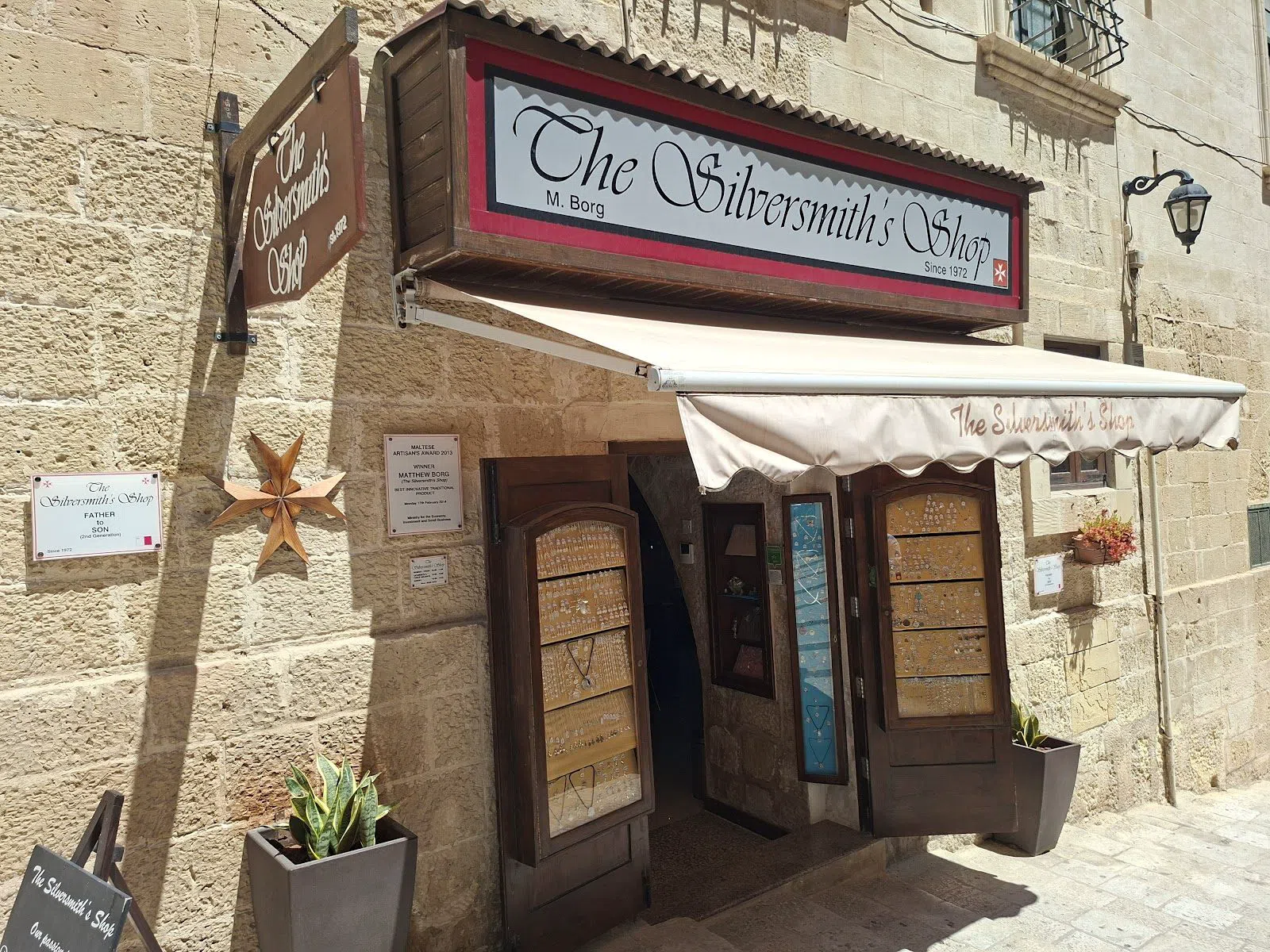
Valletta is a grid a little over a kilometre long, City Gate to the tip of the peninsula, and you can walk the whole of it in about fifteen minutes if nothing catches your eye. Almost every shop worth your money sits on that grid or one street off it, so what limits a shopping morning here is opening hours rather than distance. Several of the best places close on Sundays, shut for a long lunch, or trade weekdays only.
Filigree, and how to tell it from the airport version
Filigree is silver drawn into wire finer than a guitar string, coiled by hand and soldered into a frame. Done properly it is slow work, and you are paying for the hours rather than the metal. That is why a €25 pendant and a €140 one can look similar in a photograph and nothing alike in the hand. Valletta has two shops working at opposite ends of the same craft, a few minutes' walk apart.
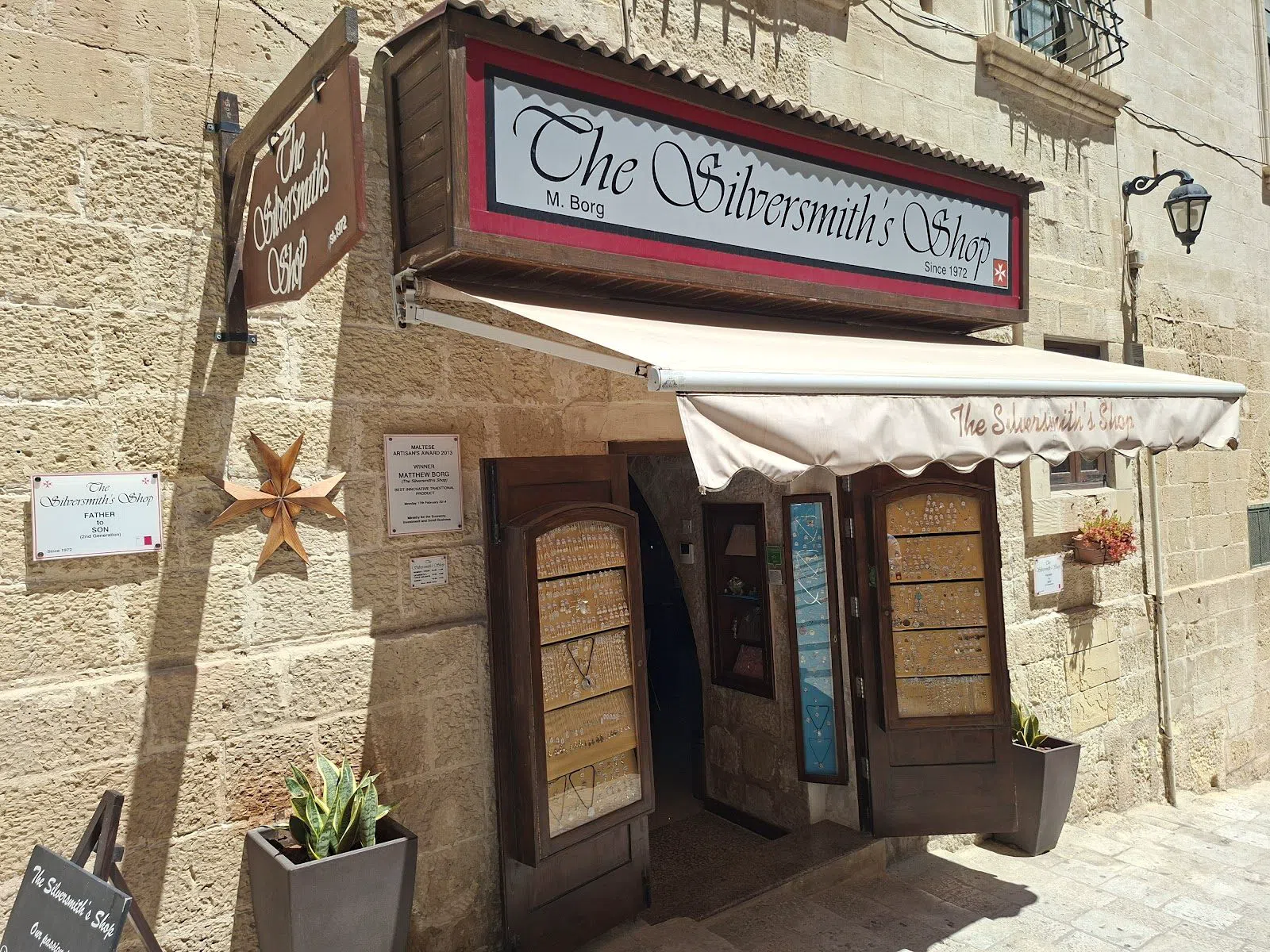
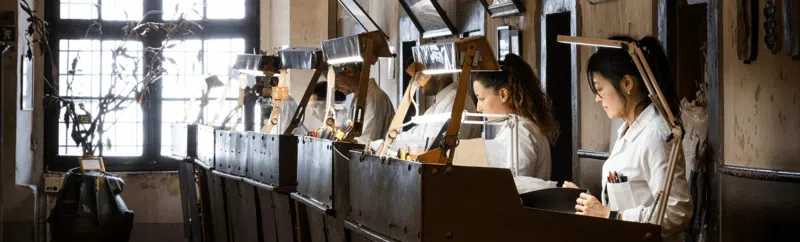
The Silversmith's Shop (central Valletta, inside the shopping grid) is the benchmark for the traditional version. The same family has run it for more than fifty years, the silversmiths work on site, and on a weekday you will usually find someone at the bench rather than just behind a till, which is the reason to come Monday to Friday rather than at the weekend. Most pieces run €20–€150, with commissioned work above that, and it holds 4.8 out of 5 across 125 Google reviews. It is also noticeably cheaper than the jewellers on the tourist strip for comparable work, so if you have been quoted a price elsewhere in the city, come here before you agree to it. The room is small: a couple or a family is fine, three or four browsers is the practical ceiling, and a coach group will not get through the door in one piece. If you are leading one, send people in waves of three and let the rest wait on the street.
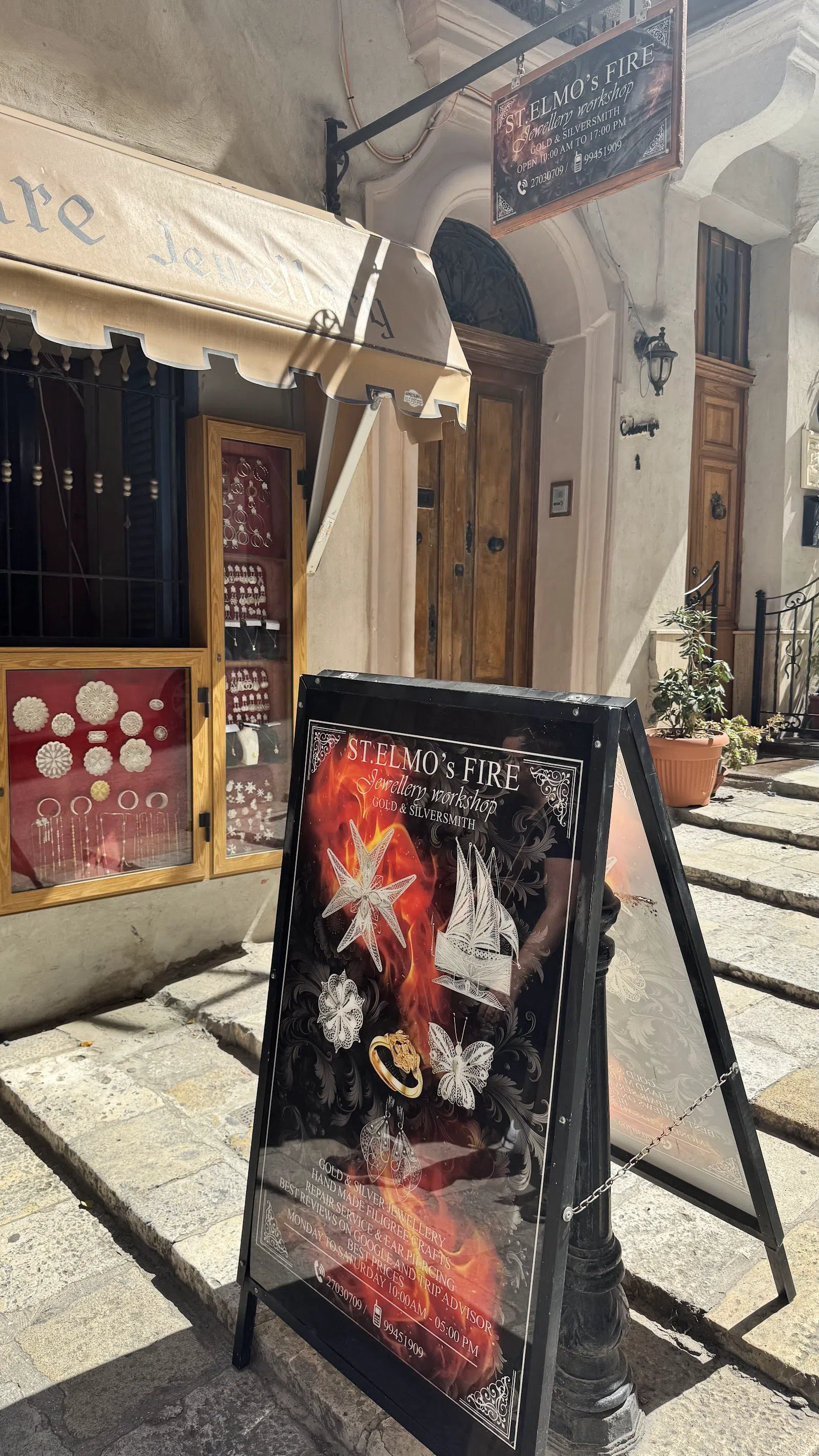
St Elmo's Fire Jewellery (central Valletta) is the contemporary counterpart. Everything is handmade, but the design line is lighter and more wearable, without the souvenir-cross look that puts some people off Maltese silver entirely. Prices run €30–€200, which overlaps the filigree benches almost exactly, so the choice is aesthetic rather than financial. It is currently the top-ranked shopping stop in Valletta on Tripadvisor, which mostly tells you it is easy to find and easy to like. Two or three browsers is comfortable and there is no group booking, so treat it as a fifteen-minute stop for one or two of you while the others wait somewhere with a chair.
Plan your Valletta trip
Live prices from our booking partners.
Free cancellation on many rooms. We may earn a commission when you book.
Lace that was made by hand, and lace that was not
Maltese lace, bizzilla, is the other craft the island is known for, and it is the one where the gap between the real thing and the import is widest. Machine-made lace turns up on every souvenir shelf in the country at a fraction of the price; it is not fake, exactly, but it is not what you came for.
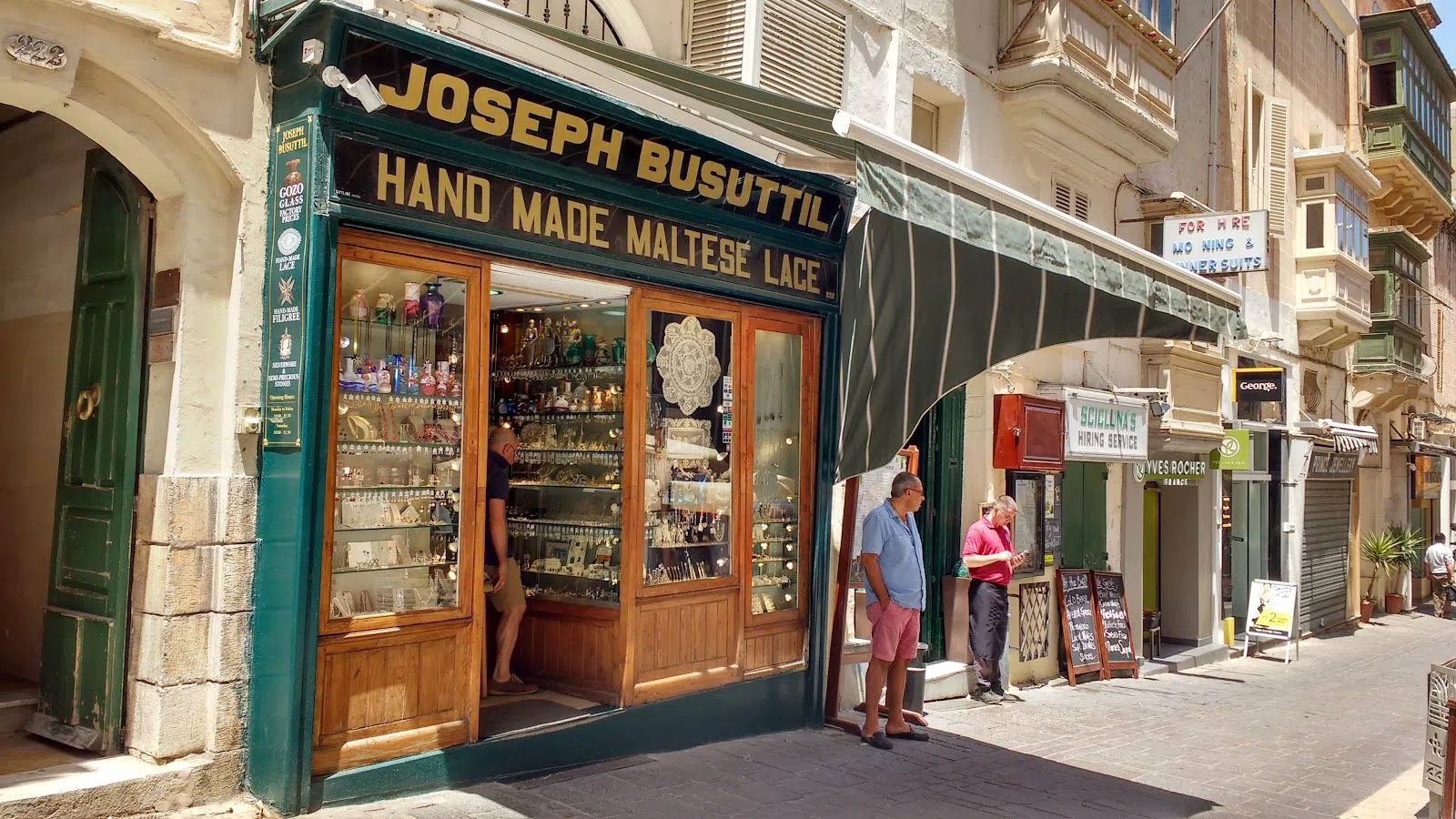
Joseph Busuttil (central Valletta) has been selling handmade bizzilla for over a century, and stocks filigree and hand-blown glass alongside it. This is the place to buy lace rather than to be sold lace: ask what was made by hand and what was not, and you will get a straight answer. Price tracks size, from €15 for a small mat or trim up to €250 for a substantial worked piece, and a small hand-made item is a better buy than a large machine-made one at the same money. The shop is tiny, so browse in twos and threes. It closes on Sundays and works a half-day on Saturday, which puts it firmly in the weekday half of your plan.
Glass, and getting it home in one piece
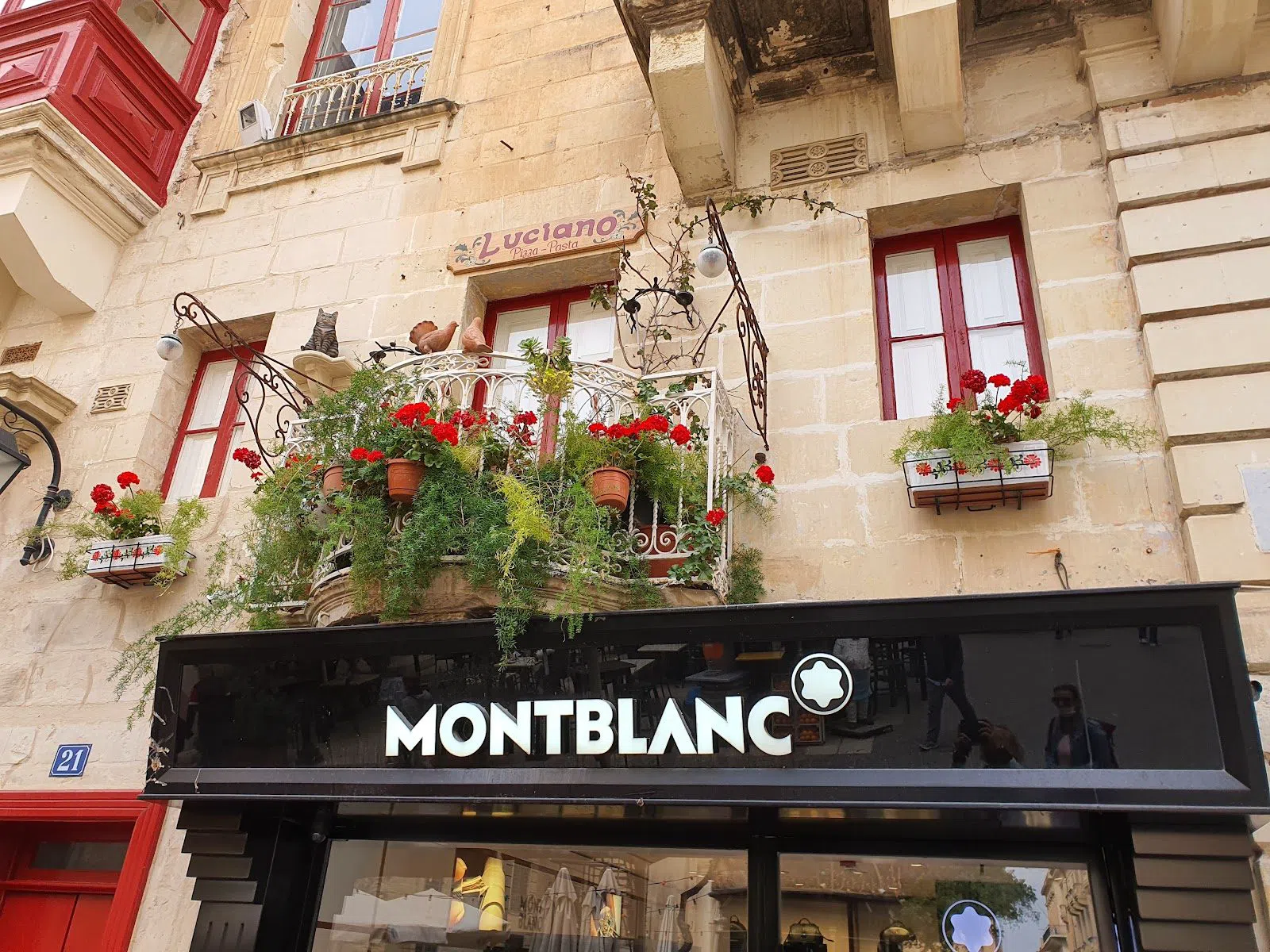
Mdina Glass (Valletta) on Merchants Street is the island's own glasshouse, blowing since 1968, and this branch is priced as an outlet: signed artisan pieces cost less here than at the cruise-port shops a short ride away. There are two floors, so unlike most of this list it absorbs a group without anyone standing in the doorway. It is also a room full of breakables at toddler height, so keep children within arm's reach.
The range runs from €10 for a tumbler you will actually use to €300 and beyond for sculptural work. More useful than the price is that they pack for flying. Ask for it at the counter, keep the packing intact, and put the box in hand luggage if you can. A wrapped tumbler survives a hold bag more often than not, but a stemmed or sculptural piece is a coin toss.
Vintage brass, old glass and one rail of clothes
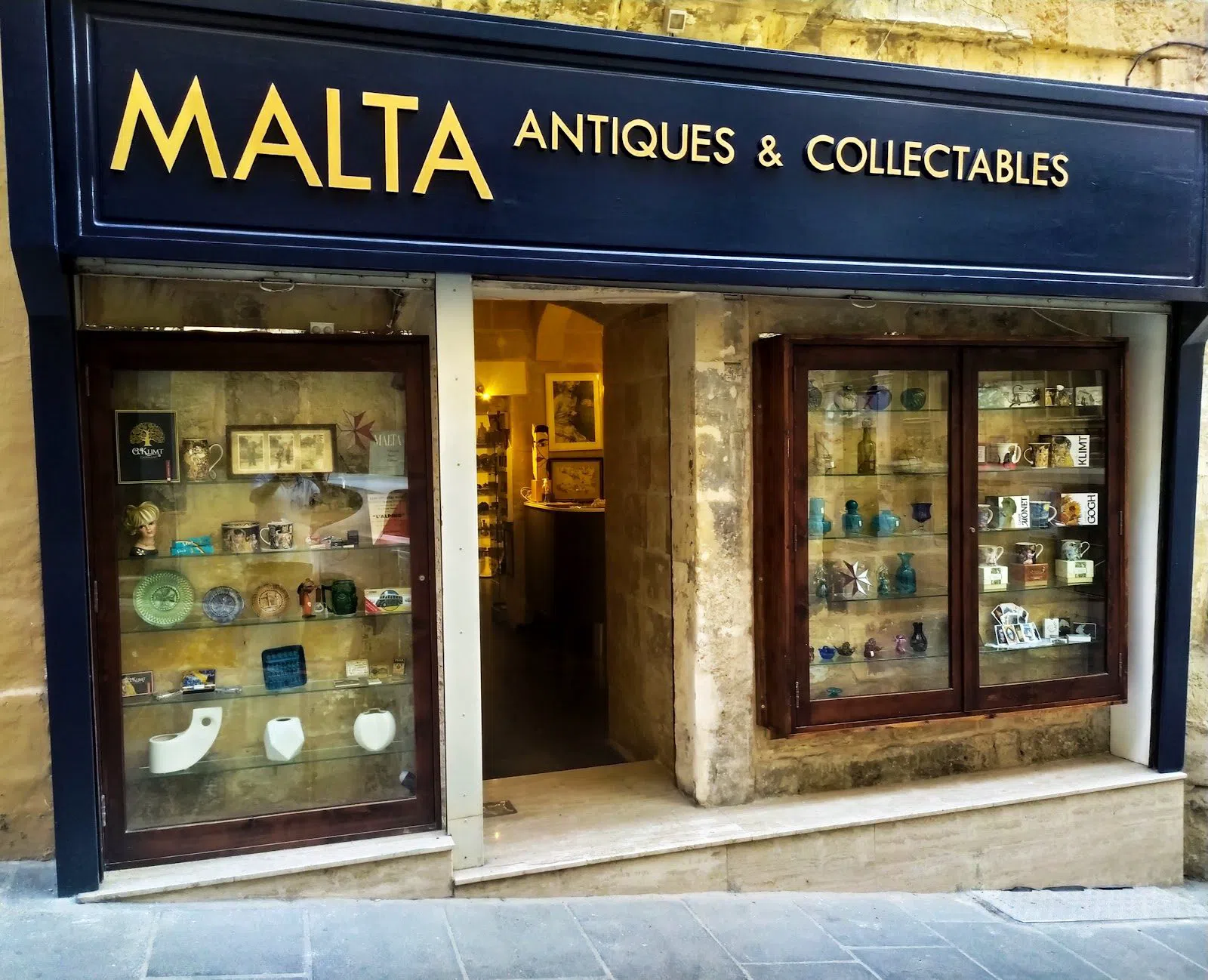
Malta Antiques & Collectables (central Valletta) holds the strongest vintage-Maltese stock in the city: vintage Mdina glass, brass door knockers, and 1950s to 1970s local paraphernalia that has clearly come out of local houses rather than a wholesaler's crate. Frankie, who owns it, will tell you where a piece came from, and that provenance is half of what you are buying. Small collectables start around €5; period glass and silver run to €300 and above. It rates 4.9 out of 5 on Google.
It opens weekdays only and is closed at weekends, which makes it the single most common wasted walk on this list. The room is small, a couple of people at a time rather than a group stop, and it rewards twenty unhurried minutes rather than a quick scan.
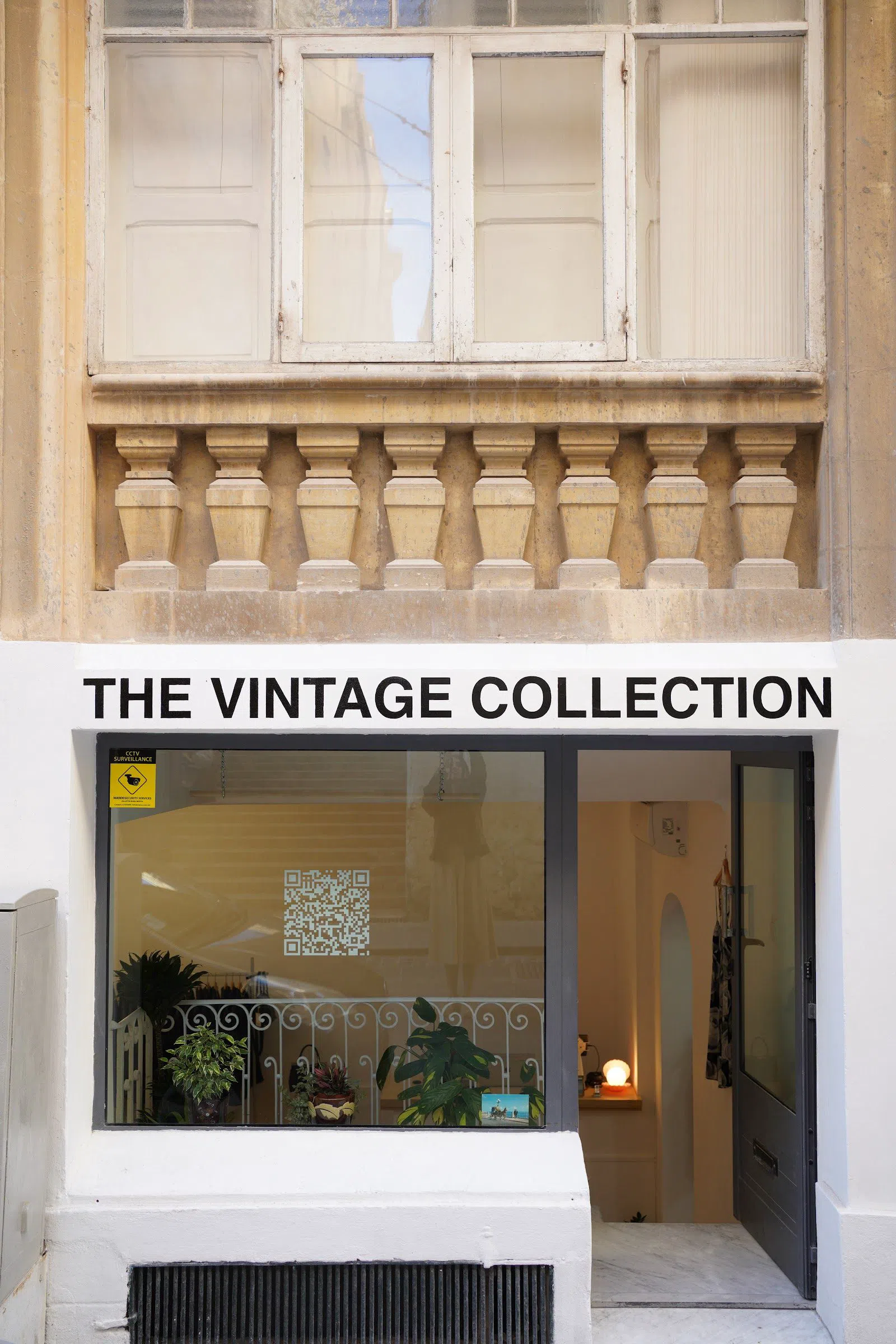
The Vintage Collection (central Valletta) is the only genuinely curated vintage clothing shop inside the city walls; everything else in that line is out in the towns beyond. It is a narrow single room with space for two or three browsers, so it is a stop for one of you while the others go elsewhere. Pieces run €20–€120 and the stock is selective rather than jumble, so you are not digging: you are looking carefully at forty things instead of skimming four hundred. Fifteen minutes is enough to know whether anything is yours.
Books, records and stamps for the flat side of the suitcase
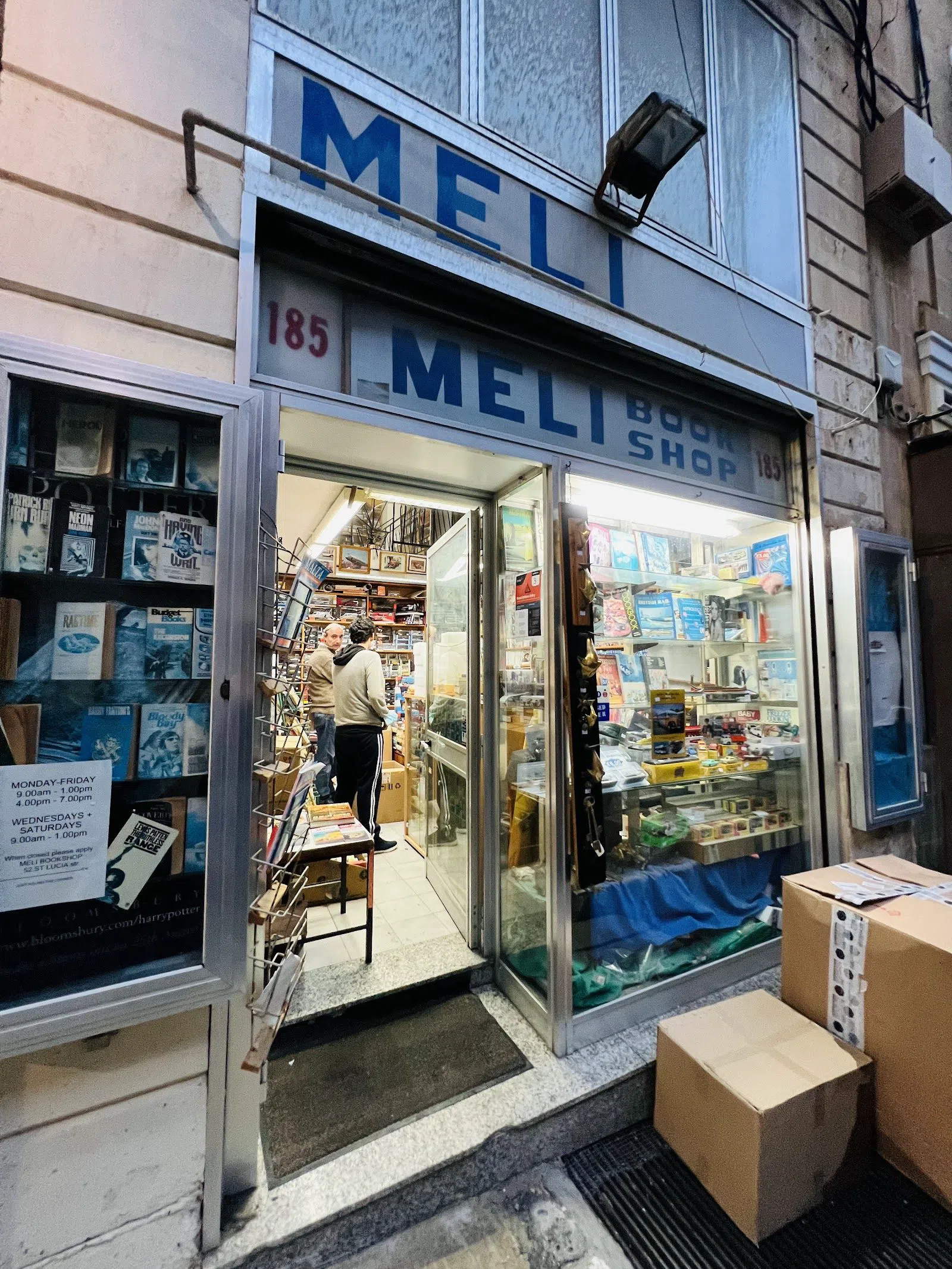
Meli Book Shop (upper Valletta, up one of the stepped cross streets) is worth the climb because second-hand bookshops barely exist on this island. It is family-run and stocks local history, folklore, Caravaggio, and Maltese cookbooks, plus a cabinet of model cars that has nothing to do with any of the above and is not for sale in the way you might hope. Second-hand paperbacks start around €5; illustrated hardbacks reach €60. It splits for lunch from 1pm to 4pm, so aim for late morning or late afternoon. The shop is very small, so go in pairs.
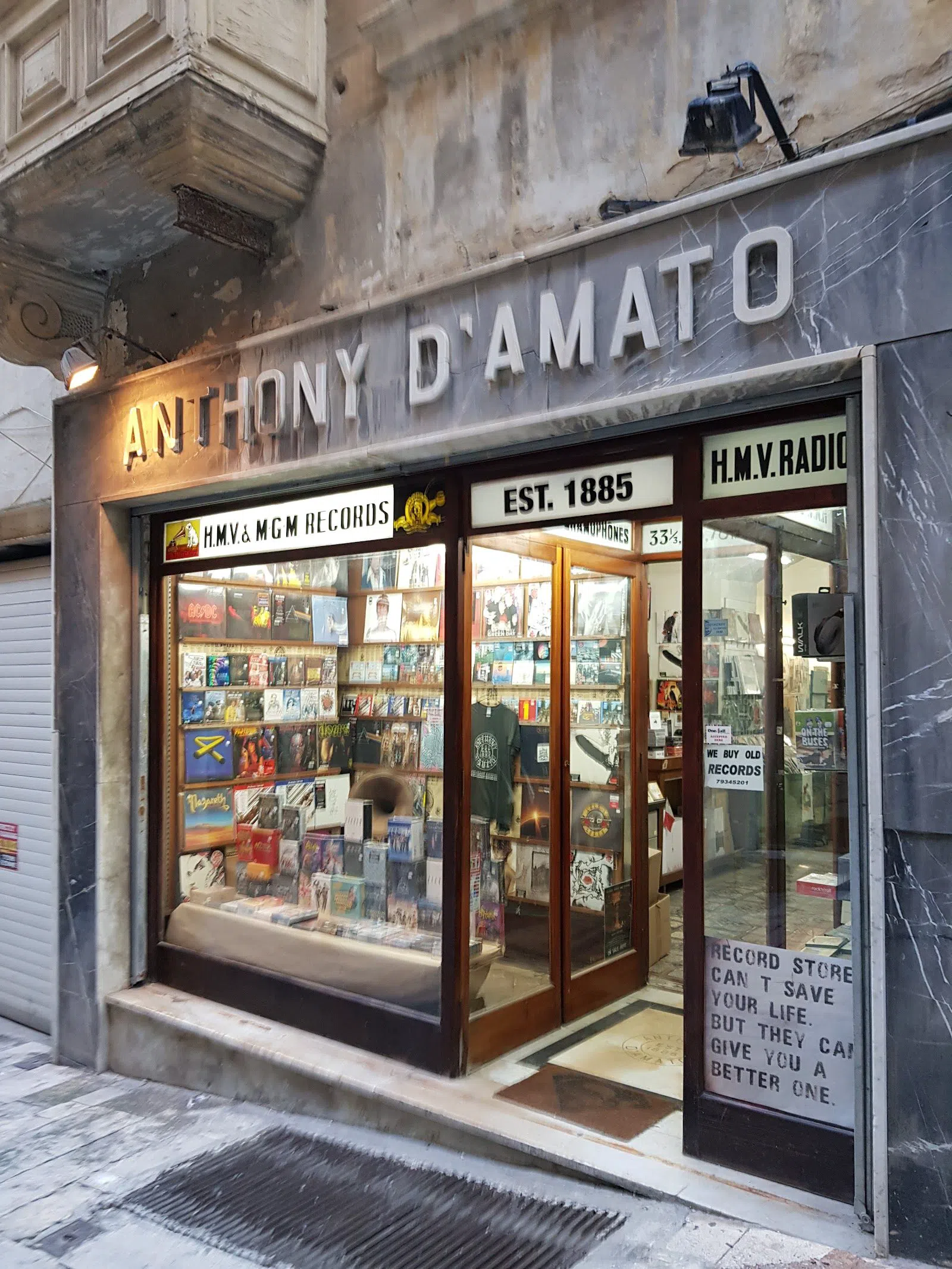
D'Amato Records (St John Street) has traded from the same premises since 1885, now under the fifth generation of the family, which makes it a serious contender for the oldest record shop still standing where it started. What you want here is the Maltese and Mediterranean pressings you will not find in a shop at home; CDs and vinyl run €10–€40. It is narrow, a few people at a time, and it is a better stop if you know roughly what you are after, so ask rather than flick.
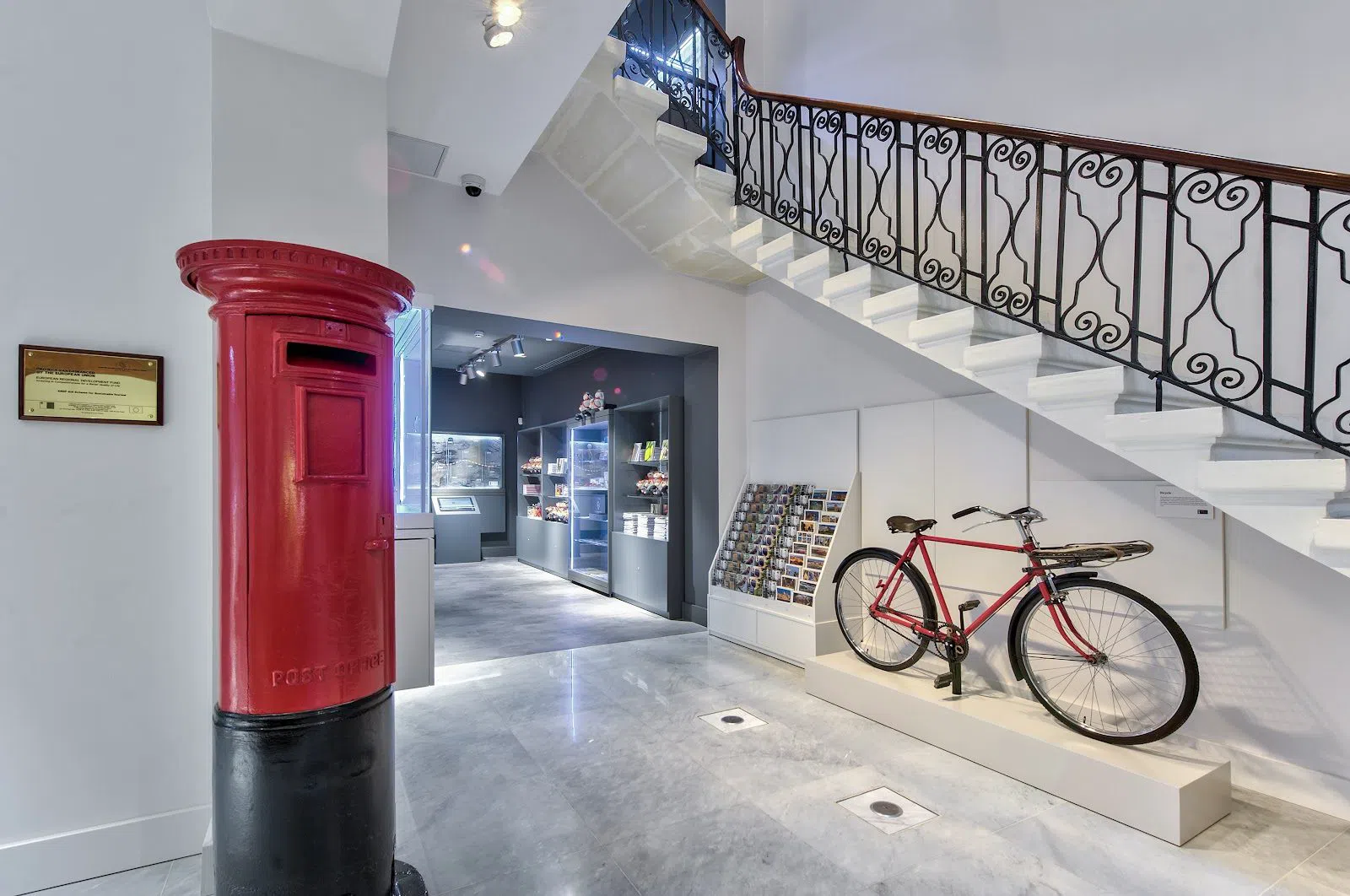
Malta Postal Museum & Arts Hub (central Valletta) is the cheapest good answer to the souvenir problem. Commemorative Maltese stamp issues cost €2–€25, weigh nothing, and are unambiguously local; prints are in the same bracket. There is a working post office, so you can write the postcard, buy the stamp and send it in one stop rather than hunting a box for three days. Groups are fine here. The museum floors above absorb numbers, so it is a reasonable place to park a coach party for half an hour. Closed Sundays and public holidays.
Art, design and one Maltese fashion house
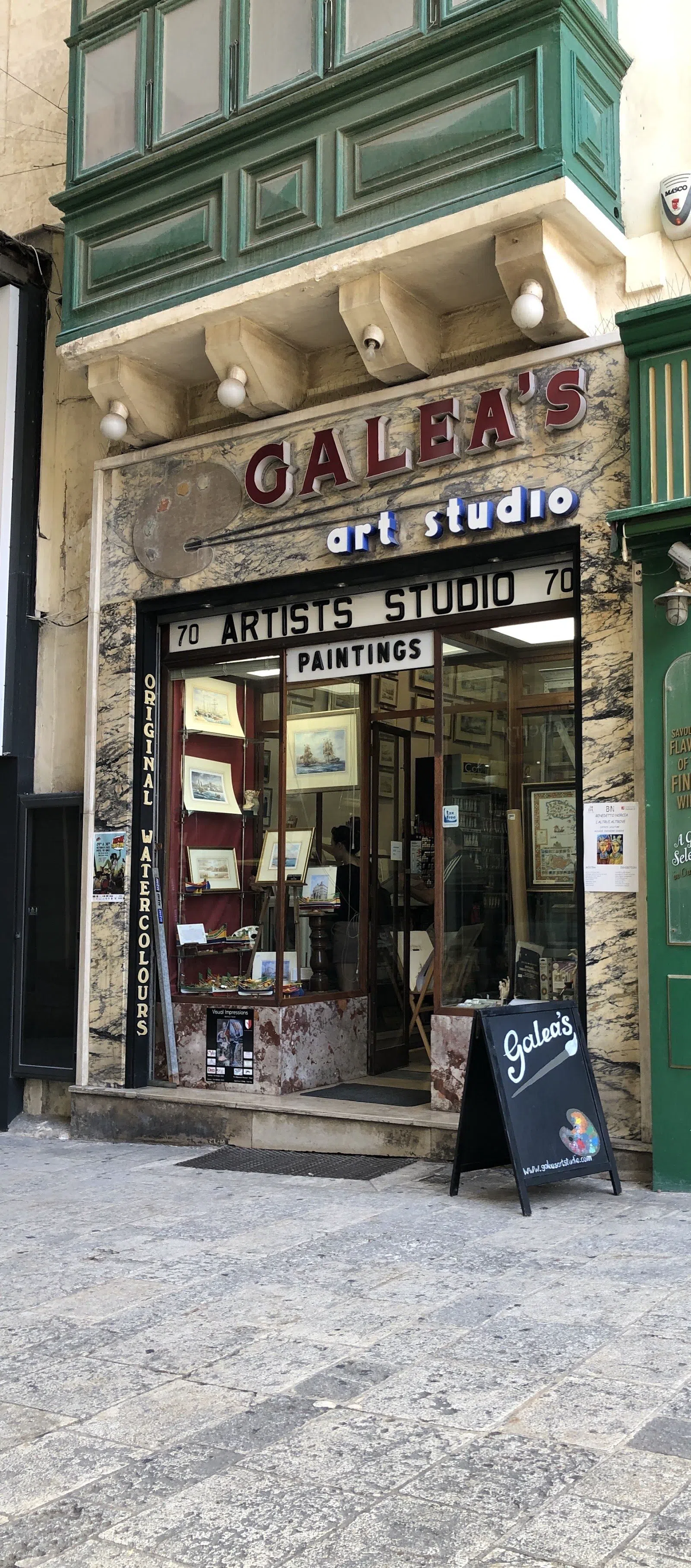
Galea's Art Studio (central Valletta) has been open since 1920 and is still family-run, half art-materials shop and half gallery. Original work and prints by Maltese artists start at about €15 for a print and run to several hundred for an original, and everything travels flat in a tube. It beats anything with a Maltese cross printed on it, and the shop is moderately sized, so a group can spread into the gallery half without blocking the counter.
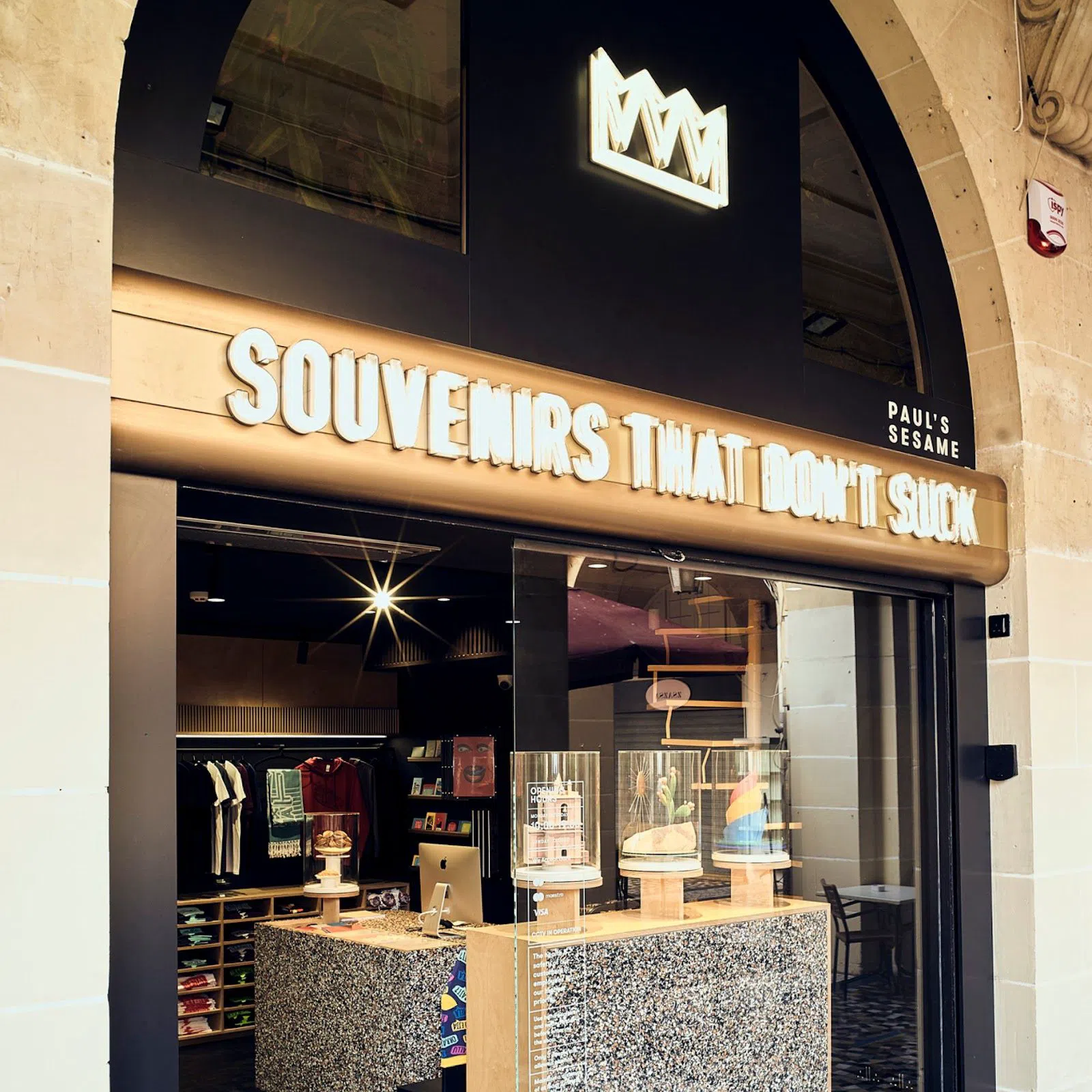
Souvenirs That Don't Suck (St John's Square) is the souvenir shop for people who do not like souvenir shops: Maltese motifs redrawn as decent graphic design, from €5 magnets to €55 hoodies and prints, plus a good shelf of books about Malta. The layout is modern and open-plan, which makes it the most group-tolerant indoor stop in this piece, and it sits on the square outside the Co-Cathedral, so it is the natural fifteen minutes after you come out.
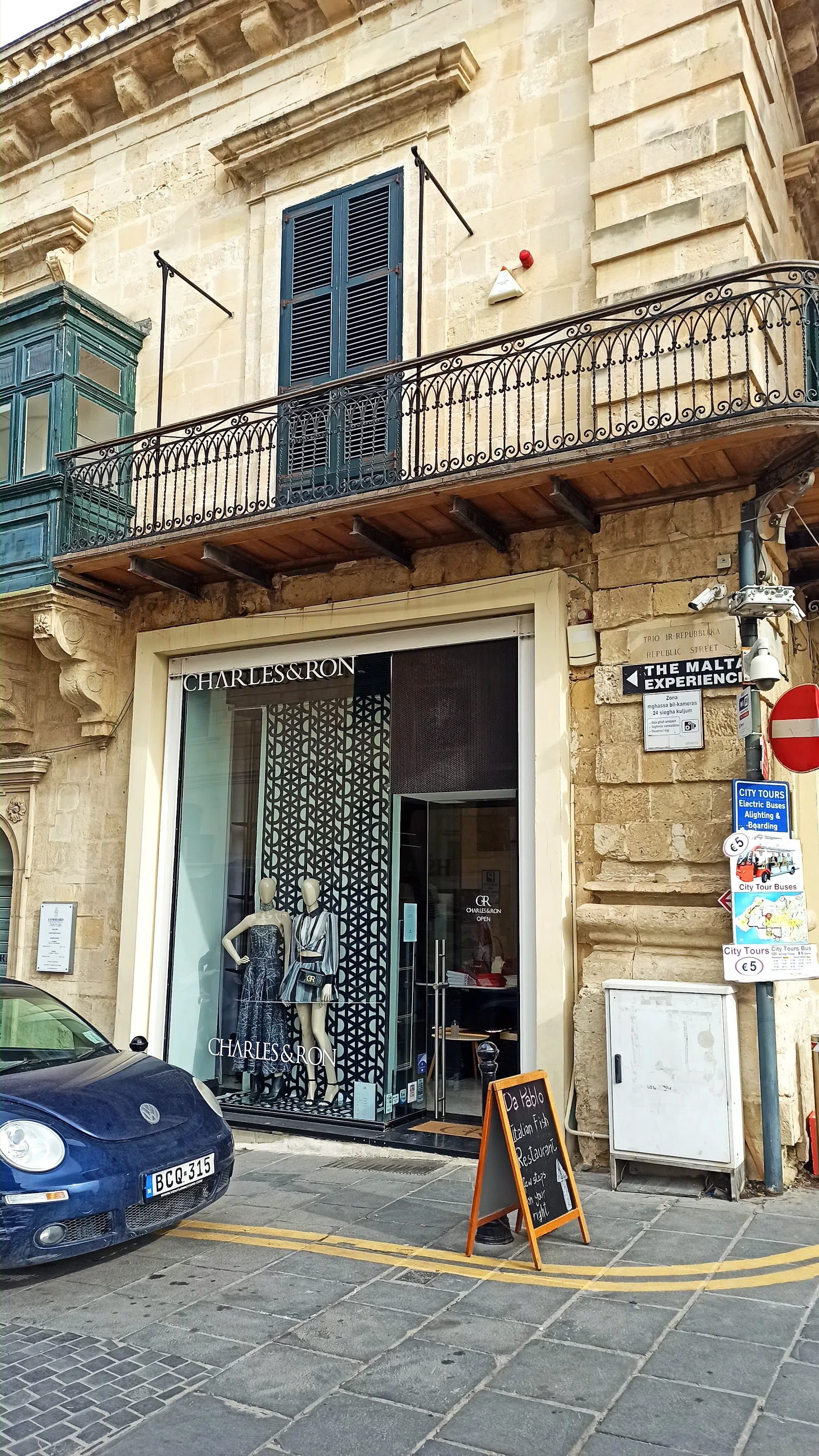
Charles & Ron (central Valletta) is the island's best-known design house, working prints drawn from baroque palazzo interiors and island colour. They have shown alongside Stella McCartney and Burberry, and there is now a café under the same name on the street if half your party would rather sit. Garments run to €400 and above; the printed silk scarves start around €60 and are the packable version of the same idea. Boutique scale: a small group is fine if you browse in turns rather than all at the rail.
The edible one
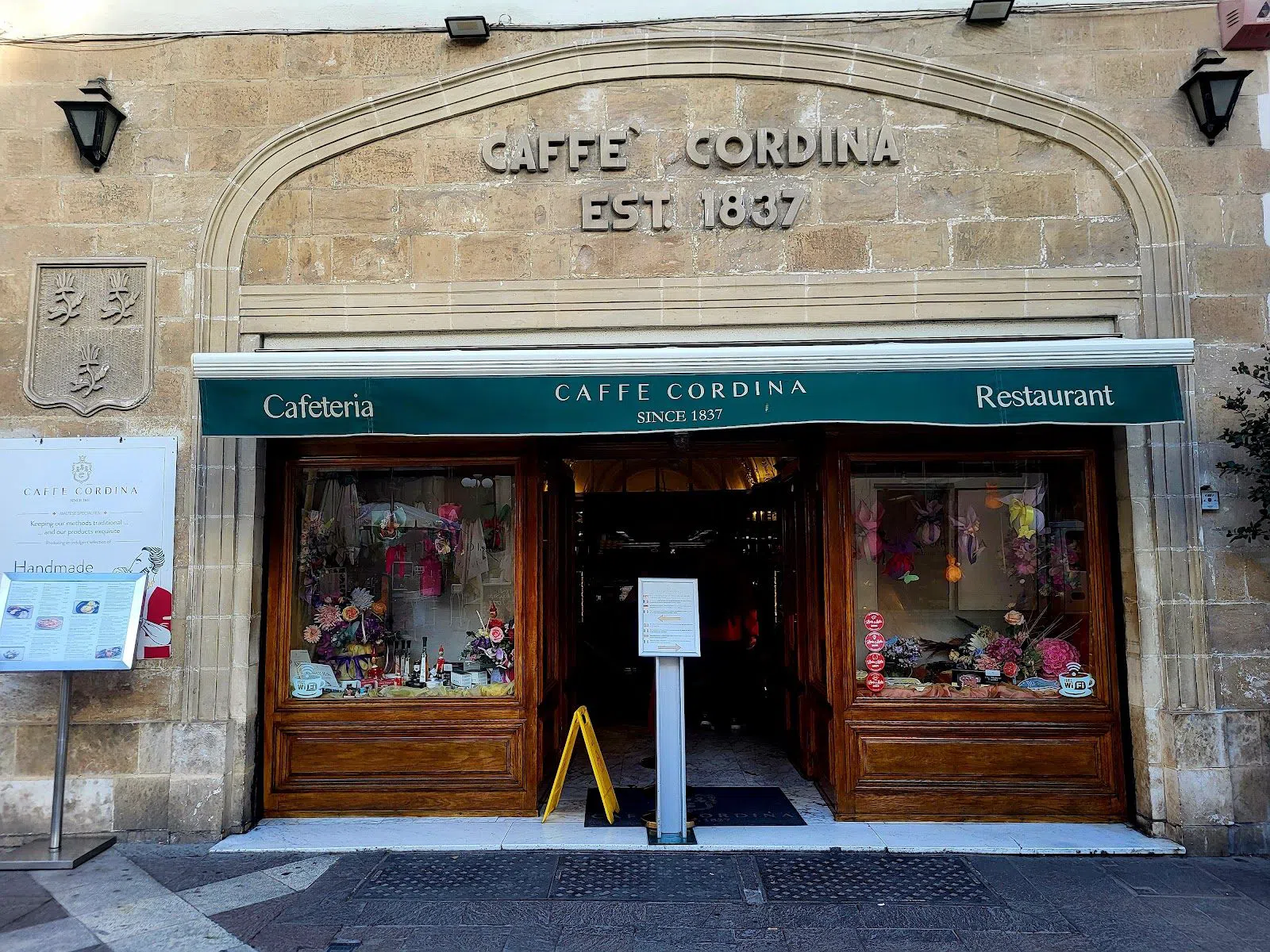
Caffe Cordina (on the square, central Valletta) has been in business since 1837 and still makes its traditional sweets in-house, which is the difference between a gift box with an address behind it and one assembled in a factory. Boxed almond krustini and Maltese liqueurs run €8–€30. Buy at the counter. The terrace on the square seats large groups and is pleasant, but table service comes with a queue and a premium, and the counter is fast. Coffee and a pastry is around €6 if you want it standing.
Sunday, and the market that moves
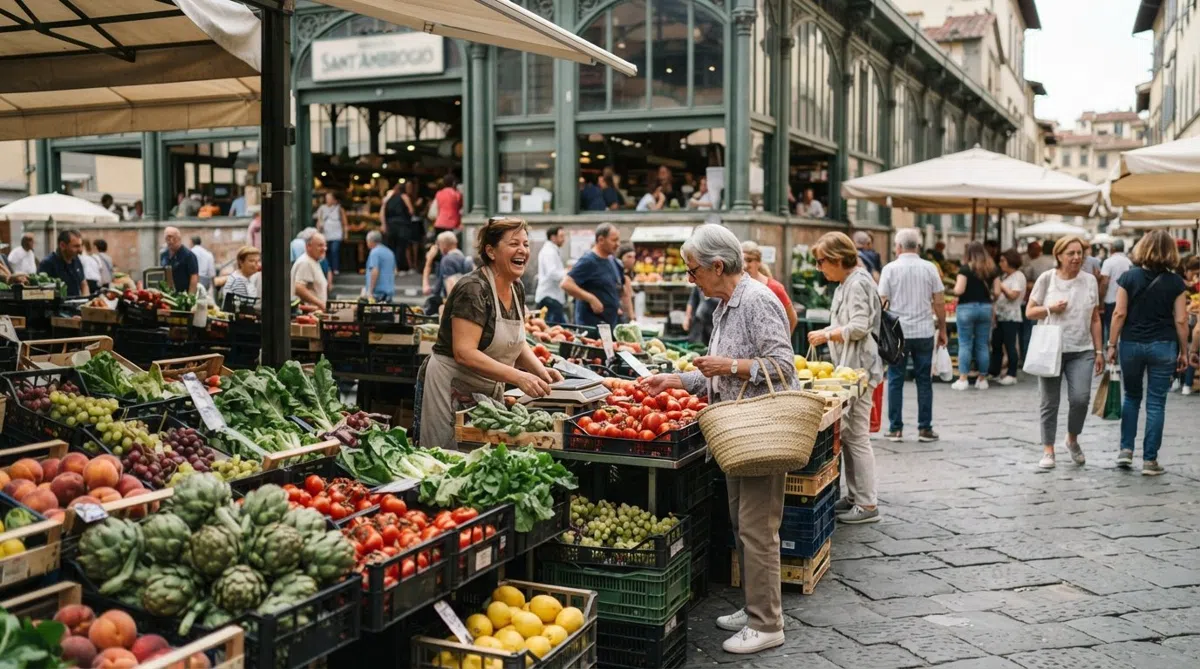
Il-Monti Sunday Market is the island's biggest, and it is the easiest stop of all for a large group because it is outdoors and open-ended. It is also the one thing here that requires a check before you set off: works around City Gate pushed the Sunday market out to the Park & Ride just beyond the walls, and the weekday version now runs on Ordnance Street. Confirm on the morning rather than trusting a map pin.
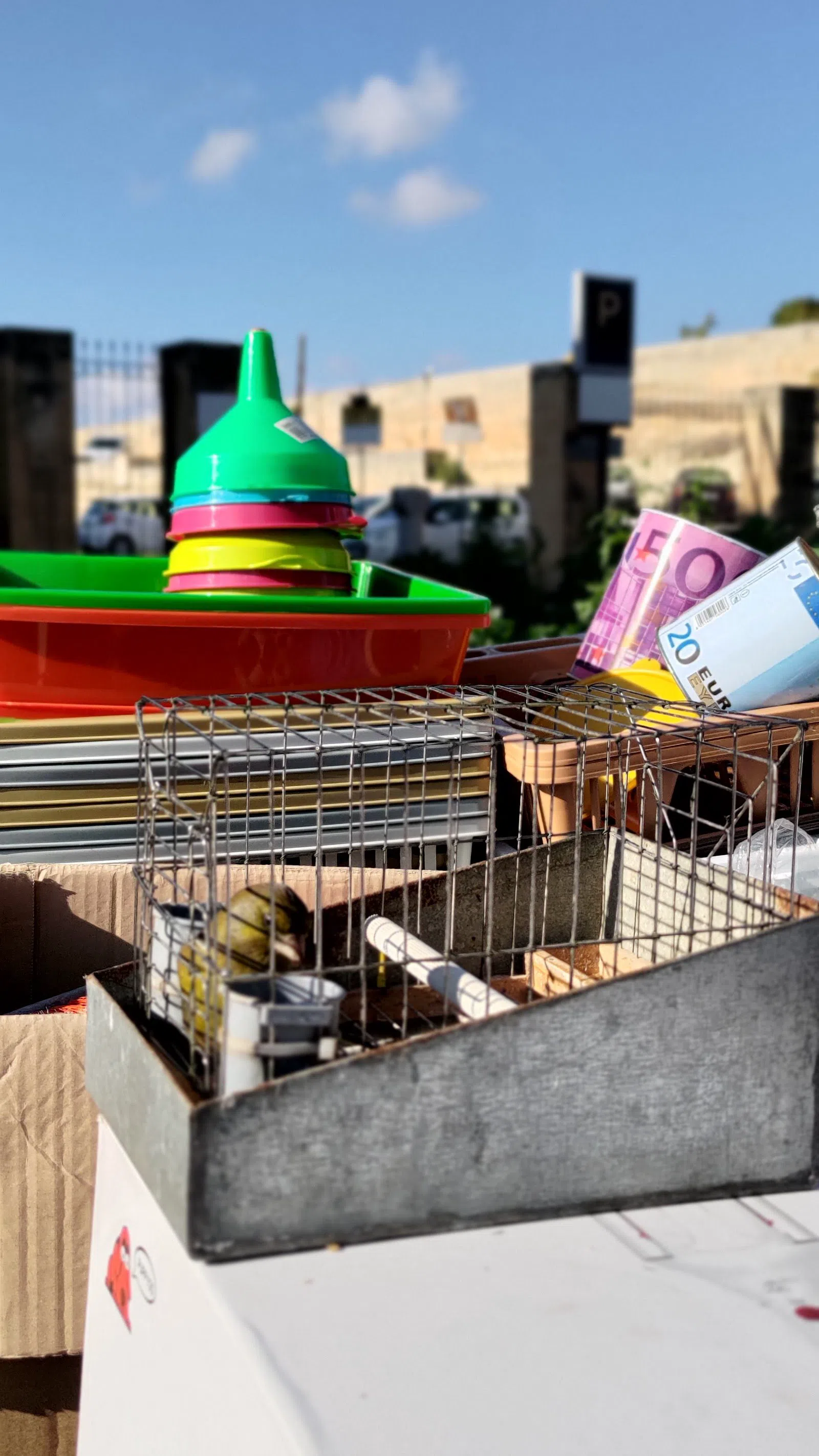
Expect €1–€50, haggling included, and go for the cheap odd finds and old brass rather than anything you would call an investment. Get there early, because it winds down around 1pm and by noon the better stalls have been picked over. If Sunday is your only free day, this plus the café is close to the whole of your shopping, because almost everything else in this piece is shut.
Planning the walk
Timing. Monday to Friday is the only version of this list that works end to end. Malta Antiques & Collectables is weekdays only; Joseph Busuttil and the Postal Museum close on Sundays; Meli Book Shop disappears between 1pm and 4pm; the silversmiths are at the bench on weekdays, not at the weekend. A sensible shape is 9.30am to 1pm for the small shops, lunch, then the larger group-friendly rooms in the afternoon.
Getting around. You will not need transport inside the city. The bus terminus sits immediately outside City Gate, the whole grid is walkable in fifteen minutes end to end, and the cross streets are stepped, so wear flat shoes and route yourself along the level streets if anyone in the party has bad knees. There is more on getting into and around the city in the Valletta guide.
Cash. Malta is on the euro. Cards are normal in the shops, but carry €50–€100 in notes for the market, where haggling is expected and card machines are not. Small notes make haggling easier.
Budget. €30–€60 covers a filigree pendant, a small handmade lace piece, a record or a print. €150–€250 is the bracket for a serious filigree piece, a period item, or a silk scarf. Under €25 and still worth carrying home: stamp sets, a tumbler, a second-hand book, a box of almond krustini.
Groups. Only four places on this list take numbers comfortably: the glasshouse, the Postal Museum, the design-led souvenir shop on St John's Square, and the market. Everything else is a two-or-three-at-a-time room. Plan the waves in advance and nobody stands in a doorway.
If you are still deciding where to base yourself, staying inside the walls puts all of this within ten minutes of your door and makes the weekday-morning timing far easier to hit, so start with the Valletta hotel search.
Before you go
How do I know Maltese filigree is genuinely handmade and not an import?
Buy where the silversmiths work on site. At The Silversmith's Shop the benches are in the building, and on a weekday you can usually watch someone working. Most pieces run €20 to €150, and commissioned work costs more. Prices are noticeably lower than at the tourist-strip jewellers, so if you have been quoted more elsewhere in Valletta, check here first.
Where can I buy real Maltese lace rather than the machine-made kind?
Joseph Busuttil has sold handmade bizzilla lace for over a century and will tell you plainly what is hand-worked and what is not. Prices run from €15 for a small mat or trim to €250 for a large piece. For the same money, a small handmade item is a better buy than a big machine-made one. The shop closes on Sundays and opens a half-day on Saturday.
What is open on a Sunday in Valletta?
Very little of it. Malta Antiques & Collectables is weekdays only, Joseph Busuttil and the Malta Postal Museum close on Sundays, and the silversmiths are best seen Monday to Friday. Sunday realistically means Il-Monti Sunday Market plus Caffe Cordina. Check the market's location first, as works around City Gate moved it to the Park & Ride just outside the walls. Go early, because it winds down around 1pm.
Can a coach group or tour party visit these shops?
Four of them handle numbers: Mdina Glass on Merchants Street, the Malta Postal Museum, Souvenirs That Don't Suck on St John's Square, and the open-air market. The filigree and vintage shops are single small rooms that hold two to four browsers. The Silversmith's Shop cannot take a group at all, so send people in waves of three. St Elmo's Fire Jewellery takes no group bookings.
Can I get hand-blown glass home on a flight?
Yes, with care. Mdina Glass packs pieces for flying, so ask at the counter and leave the packing sealed. Tumblers and thick-walled pieces generally survive a hold bag, while stemmed or sculptural work should go in hand luggage. Prices run from about €10 for a tumbler to €300 and up for sculptural pieces.