The Valletta issue
Mdina and Rabat from Valletta on the 51 Bus
A day on the ridge without a car, planned around the cathedral ticket desk, the catacomb hours and the last bus back down to the capital.

By Robin de VriesSlow days across Valletta's streets
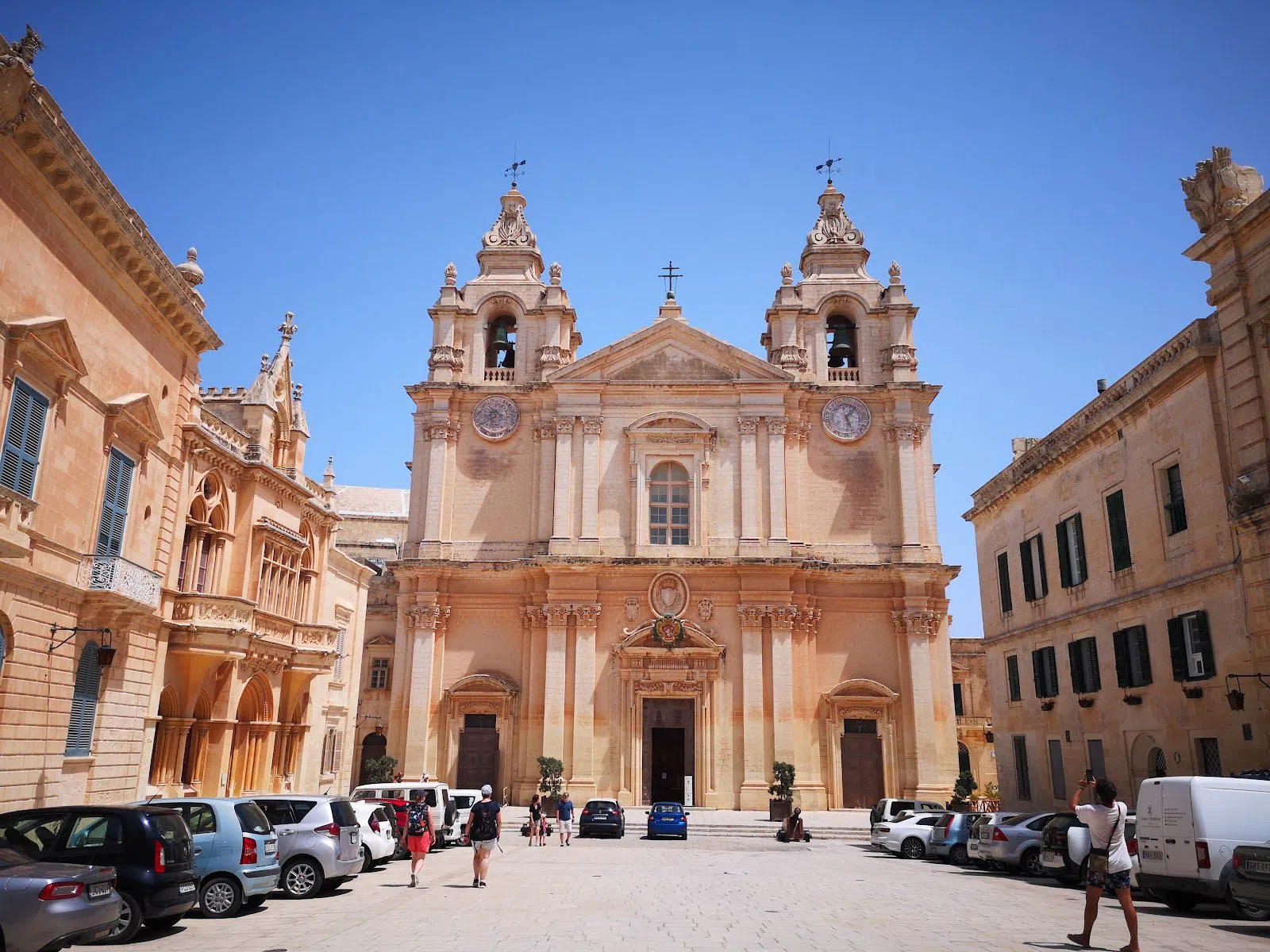
The bus out of Valletta to Rabat takes between thirty-five and forty-five minutes and climbs for most of it, so you step off on the ridge that the rest of the island looks up at. Mdina sits behind a single gate at the top, a walled town of roughly three hundred residents where private cars are all but excluded; Rabat begins where the bastions stop, across a square and a ditch, and holds most of what you will actually queue for. Both fit into one day on public transport, and the day goes considerably better if you decide the order before you leave the capital.
Catching the bus out of Valletta
Routes 51, 52 and 53 all leave from the terminus in the open square immediately outside City Gate, and all three end up at the same place. Between them there is usually a departure every ten to twenty minutes through the morning. Allow forty-five minutes rather than thirty-five if you are travelling between 08:00 and 09:30, when the road through the middle of the island carries commuter traffic; buy your ticket from the driver with small coins, or pick up a multi-day card at the terminus kiosk if you plan to use the network more than three or four times. Fares are a couple of euros for a two-hour ticket and slightly cheaper in winter, but check the board at the kiosk rather than trusting a figure you read months earlier.
Aim to be on a bus before 09:00. That puts you at the top of the hill for around 09:45, which is fifteen minutes after the ticket desks open and roughly forty-five minutes before the first coach parties arrive. The buses set down at the Rabat interchange on Saqqajja Square: Mdina Gate is a two-minute walk uphill, and Rabat's first streets start immediately behind you. If you are still choosing a base for the trip, staying in the capital keeps you within a five-minute walk of the terminus and makes an early start realistic. The Valletta hotel search covers the options inside the walls.
The return is the part people get wrong. Services run late into the evening but thin out sharply after about 21:00, and the last departures are earlier on Sundays. If dinner is part of the plan, photograph the timetable at the stop when you arrive in the morning.
Plan your Valletta trip
Live prices from our booking partners.
Free cancellation on many rooms. We may earn a commission when you book.
The one ticket to buy first
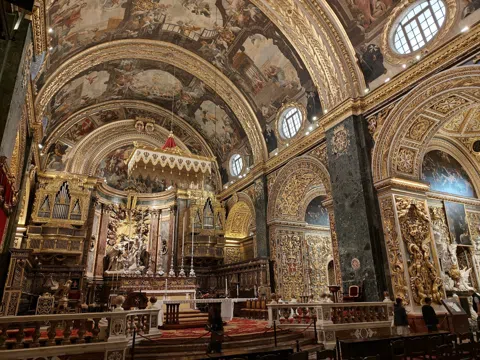
Inside the gate, the street opens after about two hundred metres into St Paul's Square, and everything about the day's timing starts here. The Mdina Metropolitan Cathedral of St Paul & Cathedral Museum (St Paul's Square, Mdina) sells one combined ticket at €15 for adults, €10 for seniors and students, free for under-12s, and it is sold only at the Museum desk across the square, not at the cathedral door. Walking up to the cathedral first and being sent back over the flagstones is the standard first mistake.
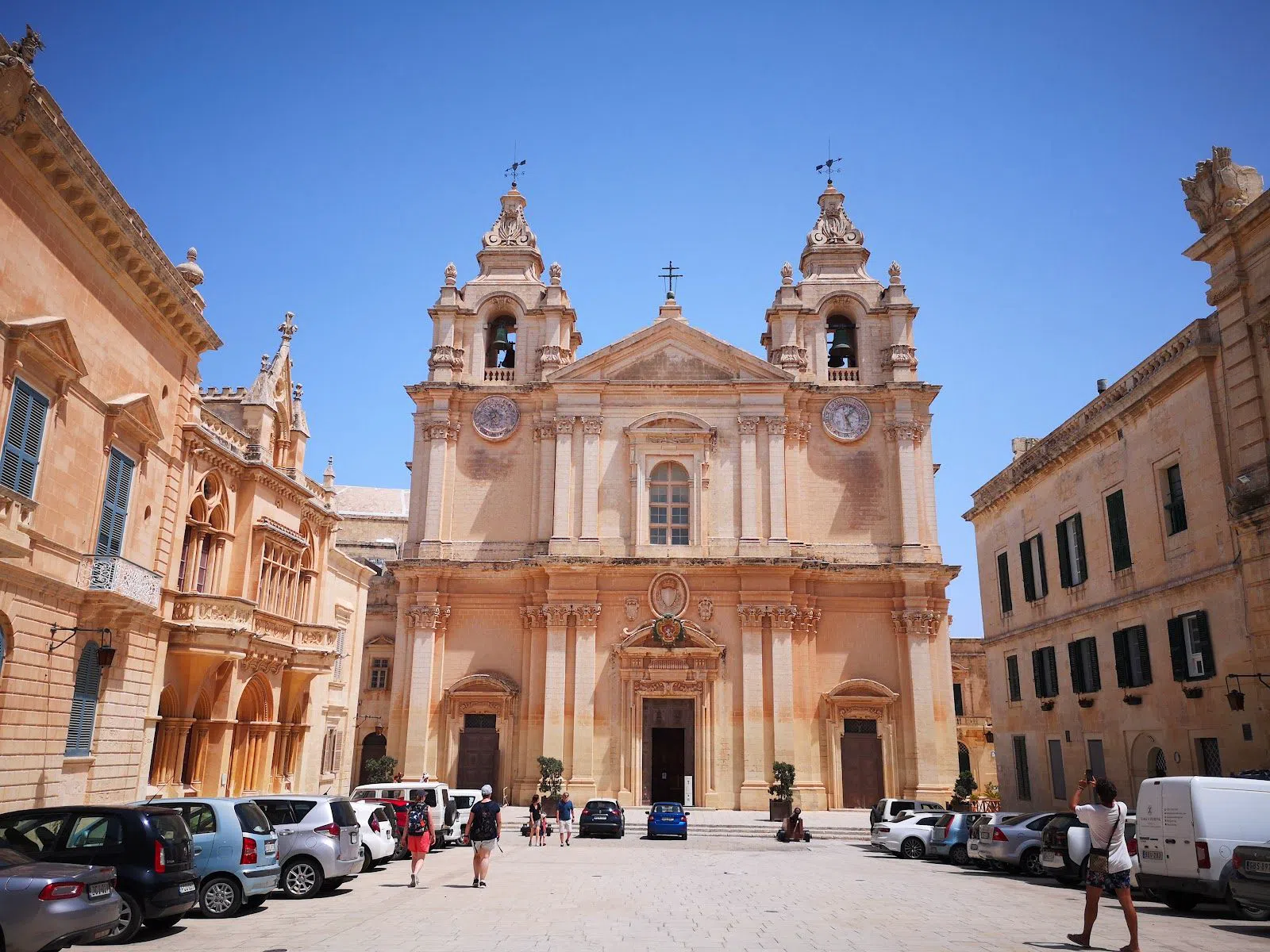
Opening hours are Monday to Saturday, 09:30 to 16:30, with the last tickets sold at 16:15. It does not open to visitors on Sundays. That single fact should decide which day you make this trip; a Sunday visit to Mdina is still a pleasant walk, but you will be looking at the outside of the thing you came for. Groups are handled without fuss here, and the museum absorbs numbers better than the cathedral itself, which fills quickly when two tours arrive together.
Two interiors inside the walls
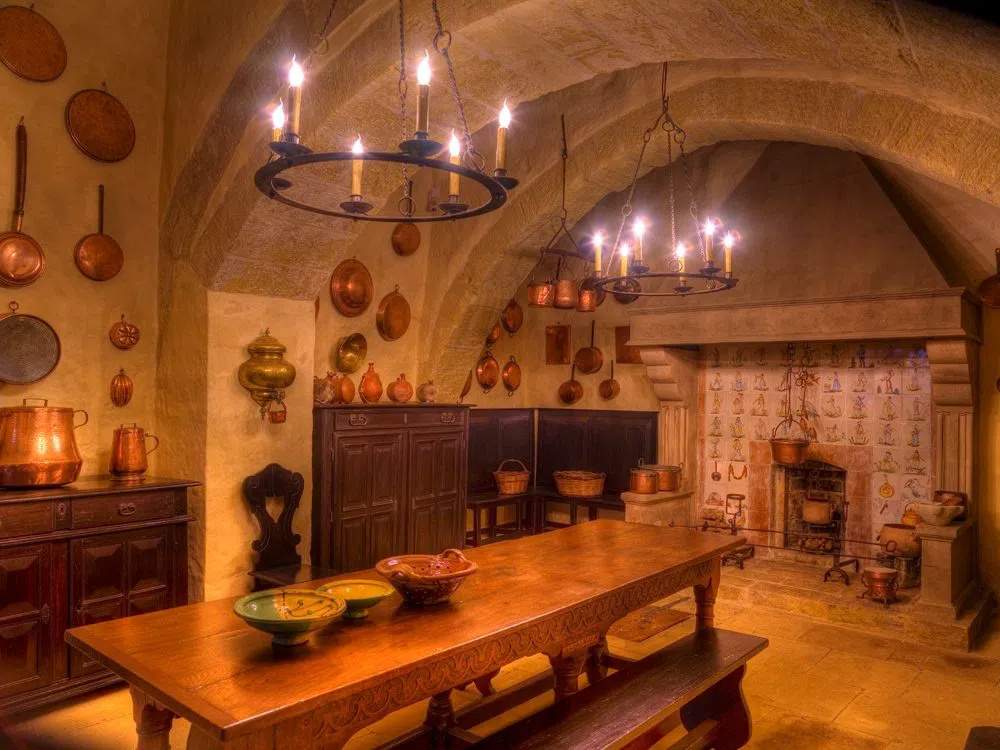
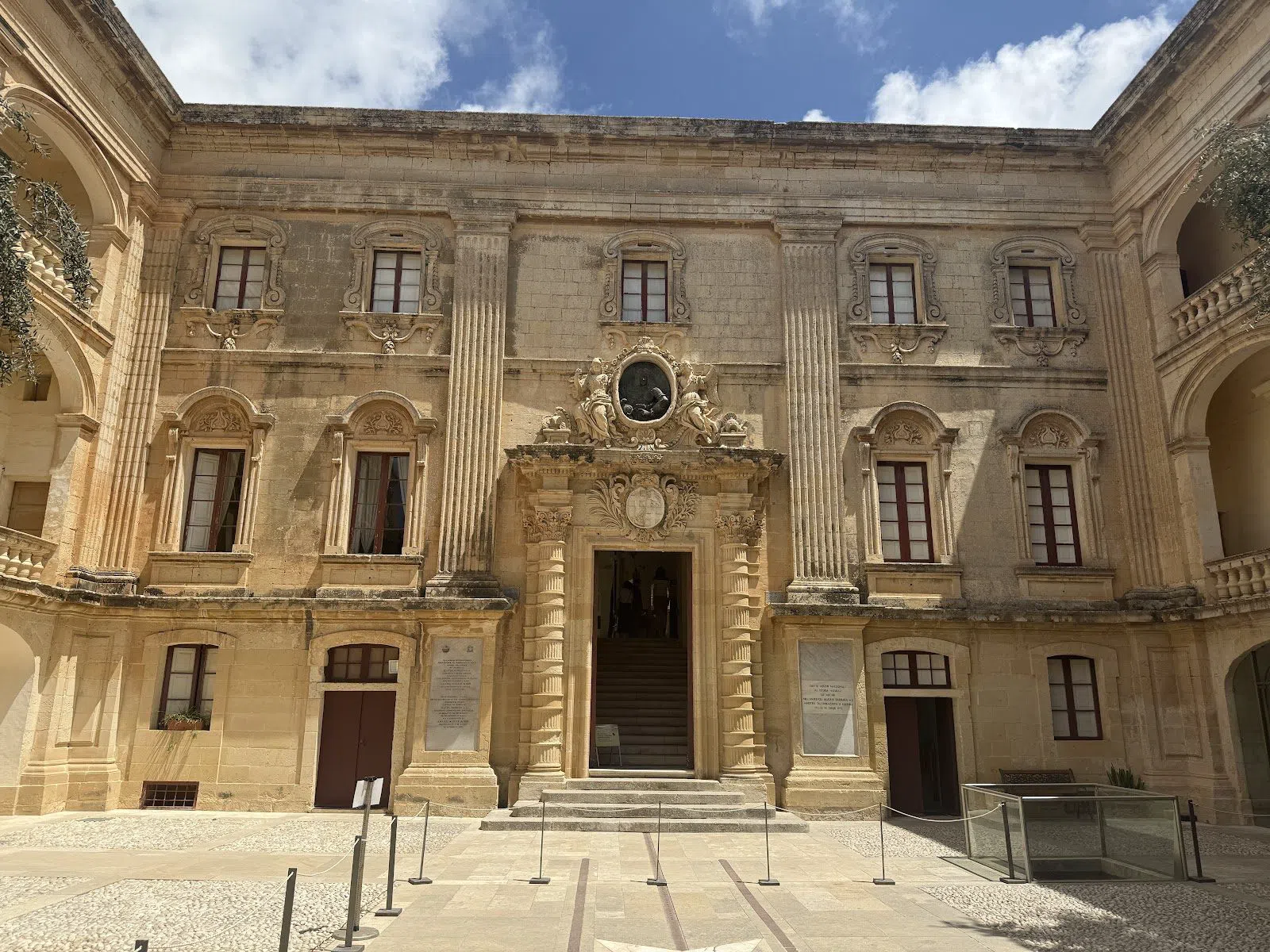
Palazzo Falson Historic House Museum (Villegaignon Street, Mdina) is a four-minute walk further along the main street, and it is the interior most worth your time in Mdina. Entry is €12.50 for adults, €6 for students and seniors, and free for ages 6 to 12 with an adult; children under six are not admitted at all, which is worth knowing before you carry a toddler up the hill. It closes on Mondays and takes its last entry at 16:00, so it pairs with a morning arrival rather than a late one. The audio guide is included and genuinely good, so allow an hour to use it properly. Groups need to arrange in advance by email to [email protected].
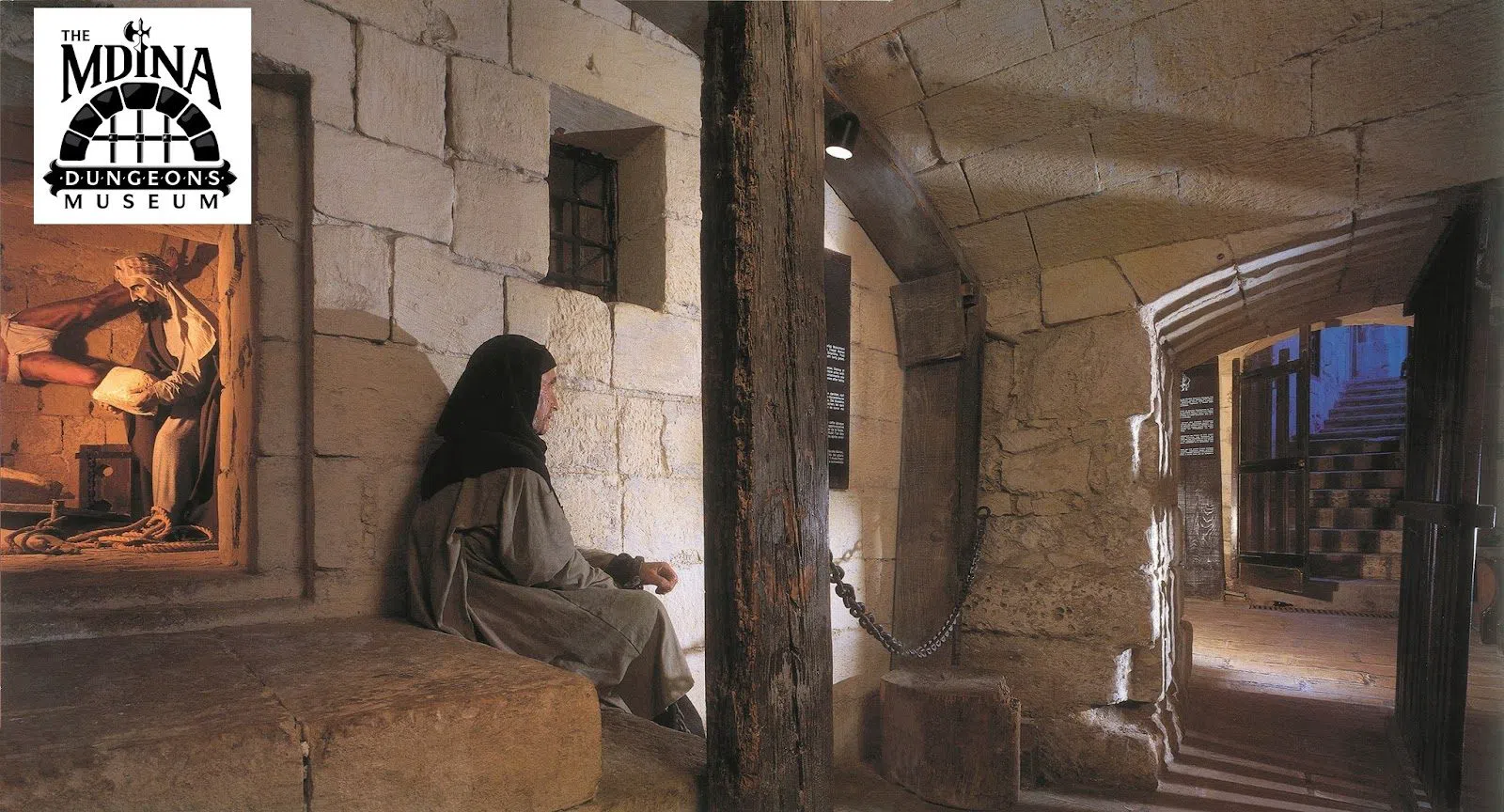
The Mdina Dungeons (just inside Mdina Gate) is a different proposition and honest about it: theatrical rather than scholarly, staged tableaux in real cellars. Adults pay €6, students €3, a family ticket is €15, and parties of ten or more pay €4 a head. The ceilings are low and the corridors narrow, so move through in clusters of three or four rather than as one group. In summer it stays open to 21:30 (09:30 to 16:30 from October to May), and being underground it is reliably cool in August, which is not nothing at two in the afternoon.
Cake on the bastion wall
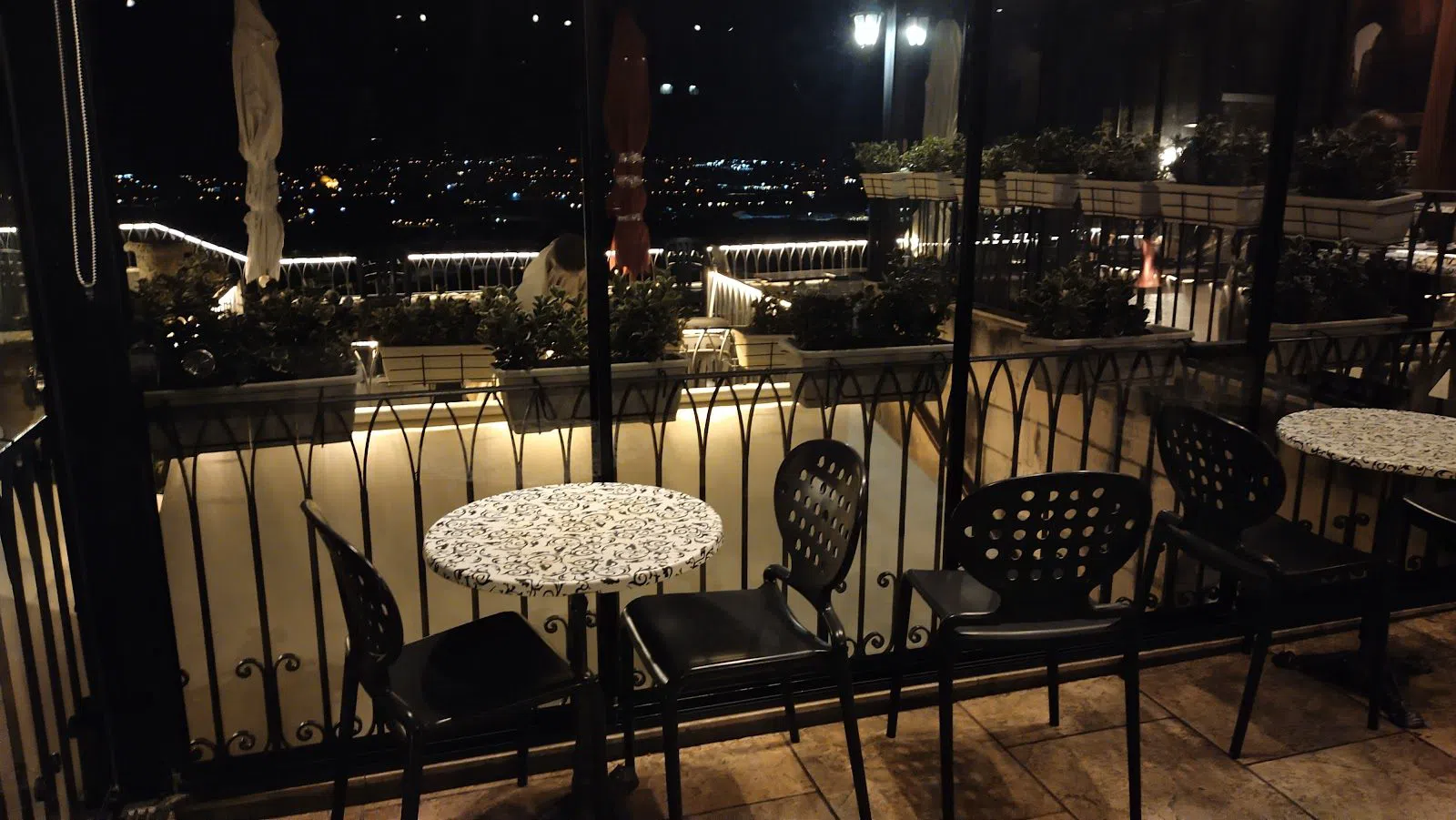
Fontanella Tea Garden (Bastion Street, Mdina) has been open since 1975 and still bakes the same chocolate cake, served on a terrace set into the town wall. Expect €10 to €15 for cake and coffee, a little more for ftira or lasagna. There are no reservations of any kind, none for anyone, and staff seat people as tables free up, so a party of eight should expect to split across two or three tables. Arrive before noon or after 16:00; in between you will be behind the coach crowd, and the queue for the terrace can run twenty minutes.
Crossing into Rabat
The walk from Mdina Gate to the middle of Rabat takes eight to ten minutes on flat ground, past the bus interchange and along one main street. Nothing about the crossing is dramatic, which is why some visitors never make it, and Rabat holds the two sites that will stay with you longest.
Domvs Romana (on the Mdina-Rabat boundary, two minutes from the interchange) is the first thing you pass: a Roman townhouse built over its own mosaics, roughly €6 for adults and part of the Rabat Combo ticket, which bundles it with the catacombs and the natural history museum and stays valid for thirty days. The mosaic hall is small and groups move through in shifts. Its opening days have been reduced during conservation work on the mosaics, so confirm with Heritage Malta on the day rather than assuming it runs daily from 09:00 to 17:00.
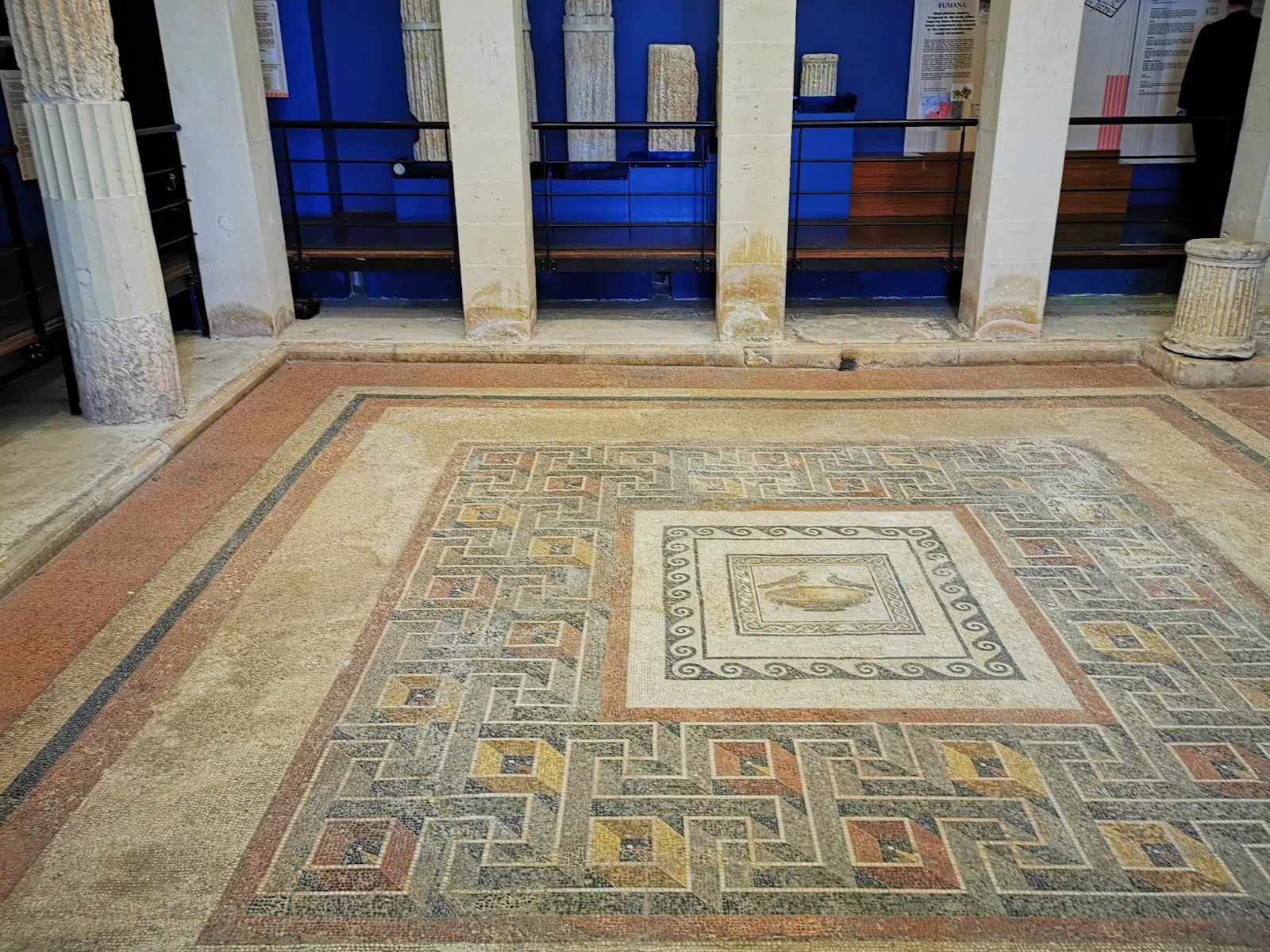
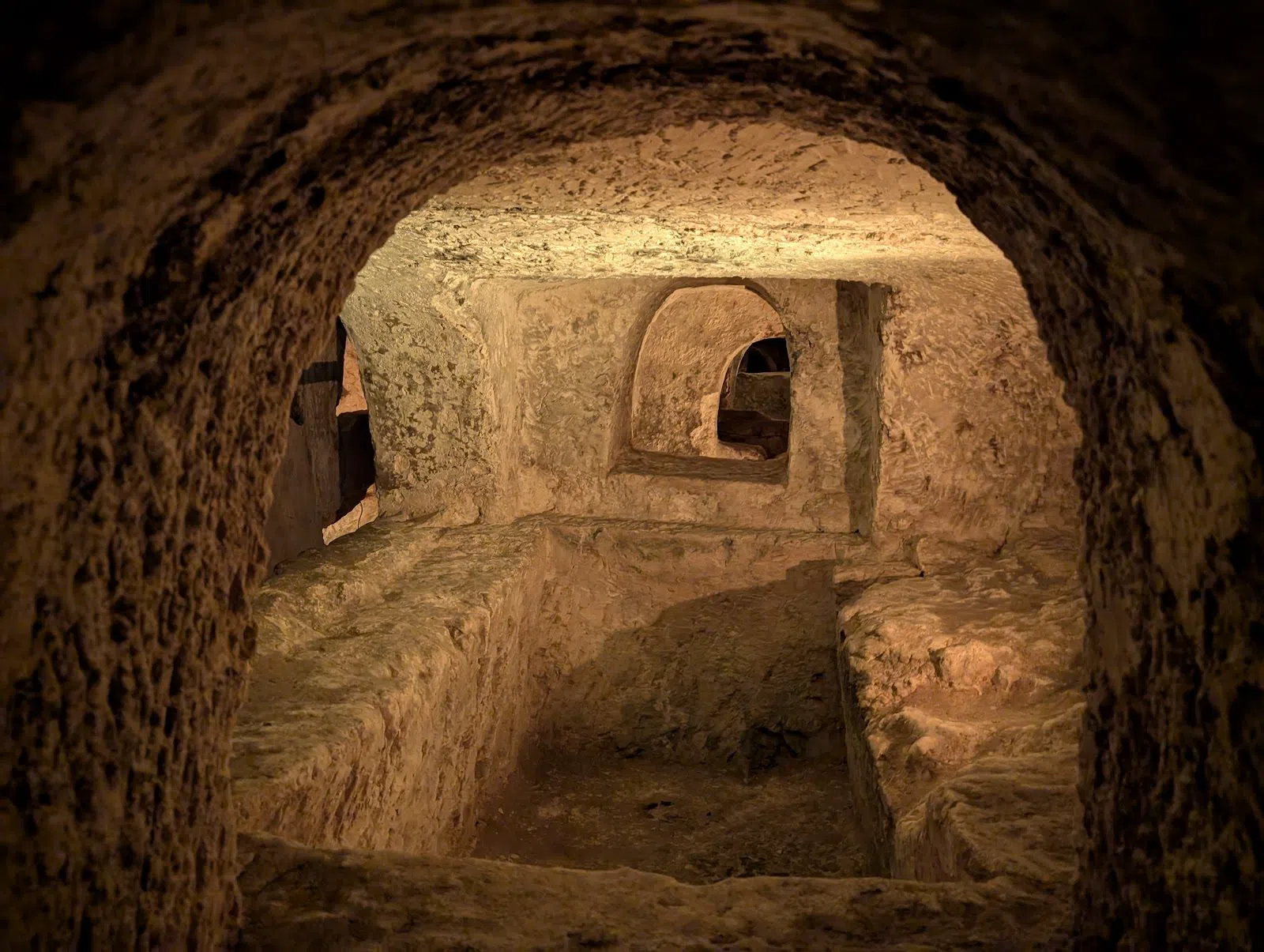
St Paul's Catacombs (St Agatha Street, Rabat) is the reason to cross over. It is the largest early-Christian burial complex on the island, and the visit works as a timed flow through a series of separate small hypogea rather than one continuous cavern: you go down, come up, and go down again several times. Adults pay €6, seniors and students €4.50, children aged 6 to 11 €3.50, and under-sixes go free. It opens 09:00 to 18:00 from June to October and to 17:00 from November to May, with last admission thirty minutes before closing. Allow an hour. The stairs are steep and the passages are tight in places; anyone with limited mobility will manage some chambers and not others.
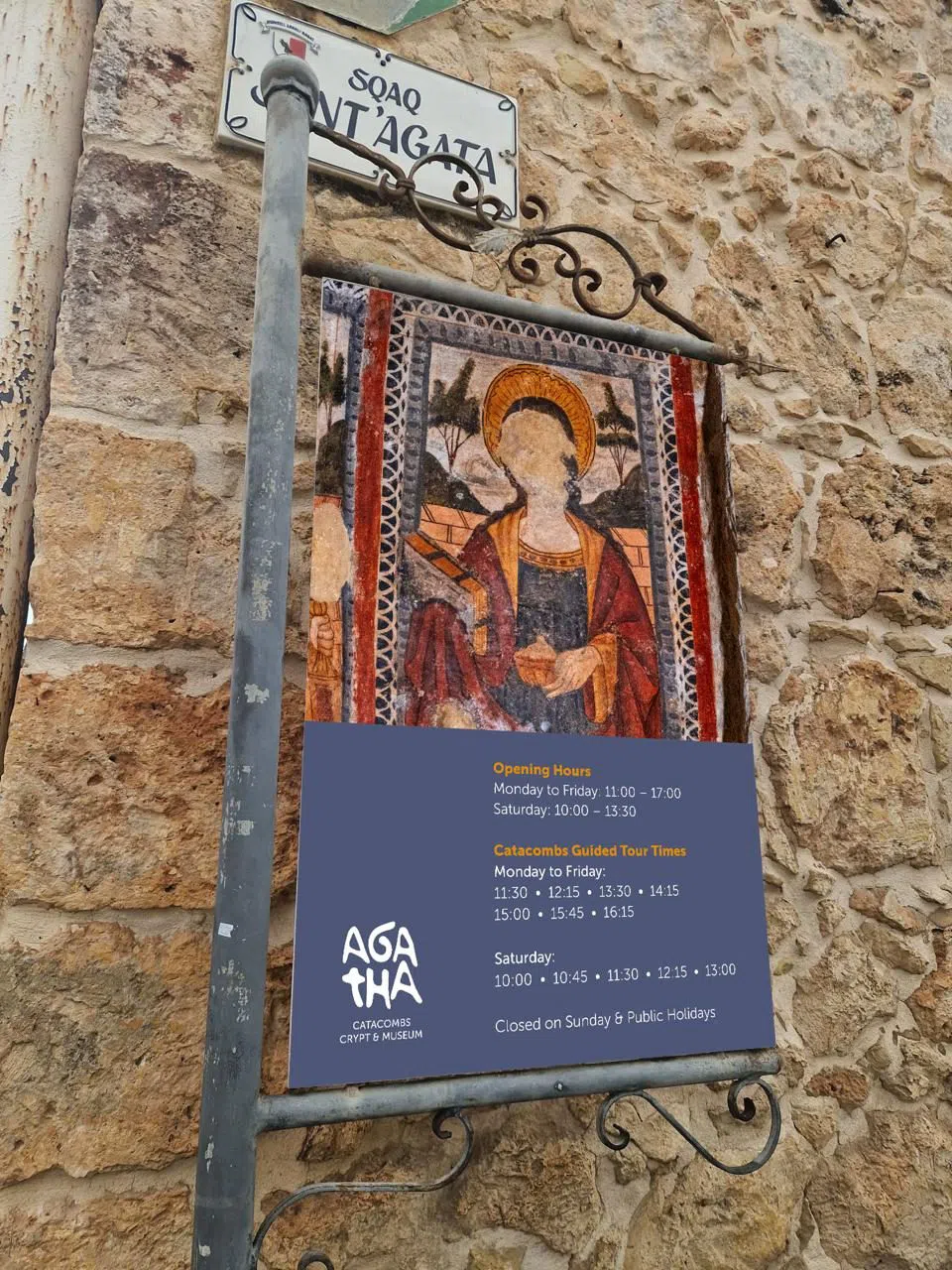
St Agatha's Crypt, Catacombs & Museum (St Agatha Street, Rabat) is a short walk from there, around €5 including the guided tour and museum, and it is guided-only in small groups of fifteen to twenty minutes. The frescoes in the crypt justify the stop. The hours are the trap: Monday to Friday afternoons only, 13:00 to 16:30, Saturdays 10:00 to 13:00, and closed on Sundays and public holidays. Larger parties are split across consecutive tours, so a group of twenty should budget forty minutes rather than twenty.
Wignacourt Museum (Parish Square, Rabat) is the sensible third stop and the best value in the two towns: one ticket of about €5 covers a picture collection, its own catacombs and a Second World War shelter, with the entrance to St Paul's Grotto alongside. It is large enough to absorb a tour party without a timed queue. Open daily 09:30 to 17:00, last admission 16:00.
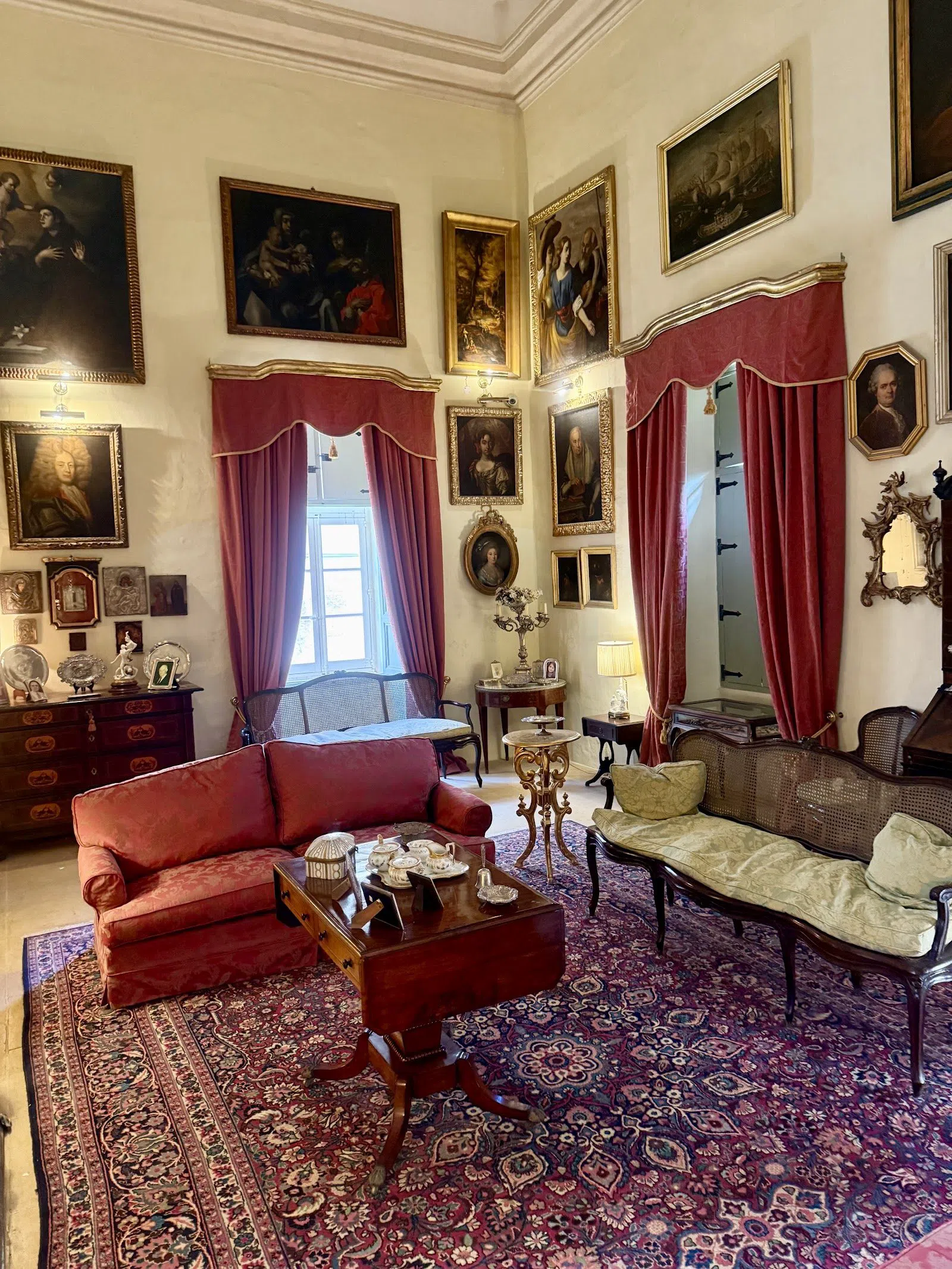
Casa Bernard (St Paul's Street, Rabat) runs hourly guided tours on the hour, Monday to Saturday, from 10:00 to 16:00. They last forty-five minutes, cost around €10 a person, and are led by the owners, who still live in the house. That is what makes it work: you are shown a family's rooms by the family. Groups need an appointment. It slots neatly between the catacombs and lunch.
Back across the boundary, the National Museum of Natural History (Vilhena Palace, Mdina) is about €5 and included in the Rabat Combo. The displays are deliberately old-fashioned cabinet-museum cases; thirty to forty minutes is enough, and much of the interest is the palace itself. Open daily 09:00 to 17:00, last admission 16:30.
Where to eat, from one euro upward
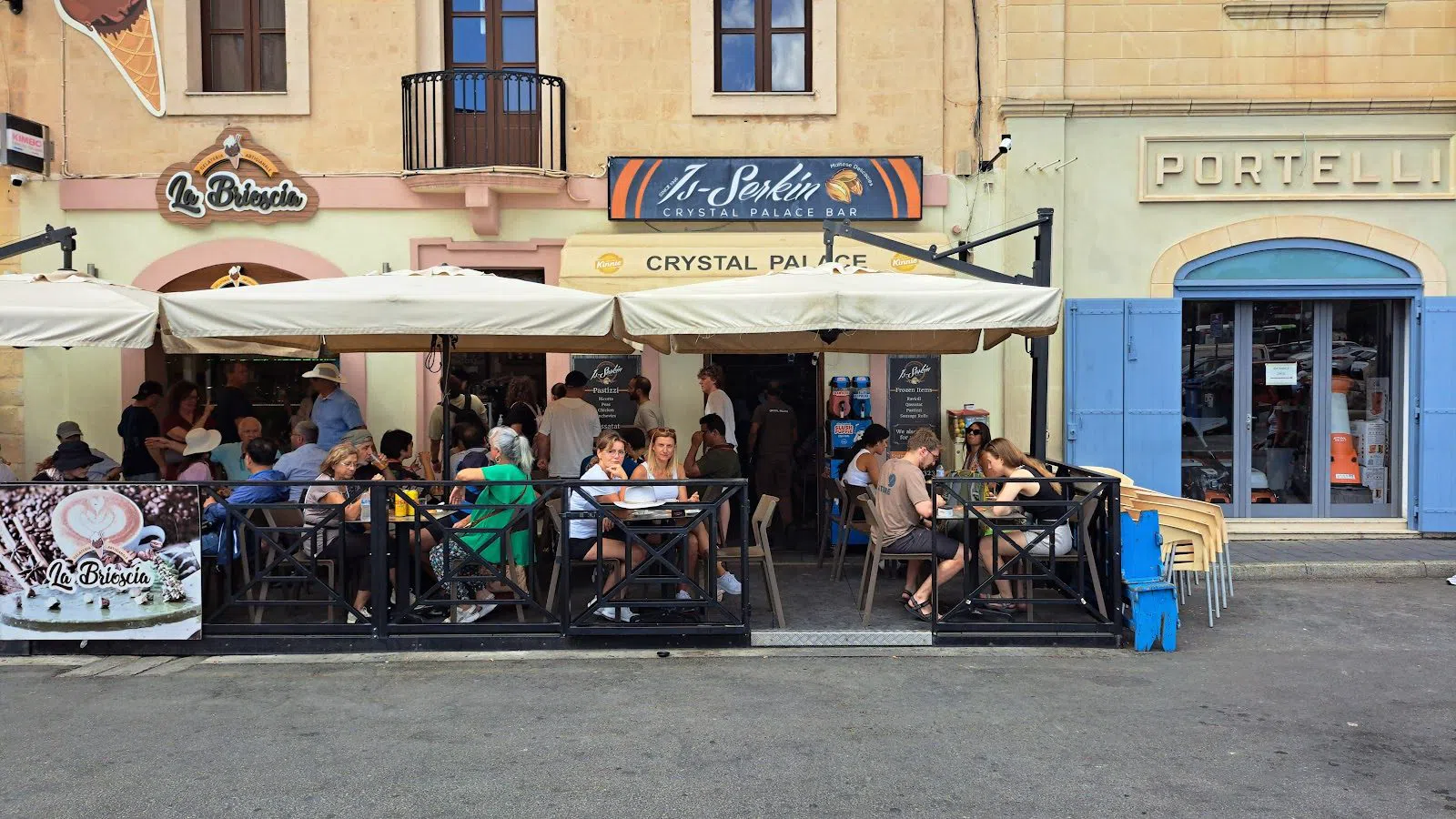
Is-Serkin (Crystal Palace Bar) (opposite the Rabat bus interchange) has been open essentially round the clock since the 1940s and sets the standard on the island for ricotta and pea pastizzi. They cost under €1 each. There is no table service and no booking: order at the counter, eat standing, and expect a group to spill onto the pavement. Two or three each and a tea is a filling stop for a couple of euros, and it is the cheapest genuinely good thing you will eat all day.
Point de Vue (Saqqajja Square, Rabat) is the practical lunch, two minutes from both Mdina Gate and the interchange, with the largest terrace in sight of the gate. Mains run €15 to €25, with pizza, snacks and Maltese platters cheaper. It is not the finest cooking in the two towns and does not pretend to be; it is comfortable with families and groups, which on a hot afternoon with tired legs matters more.
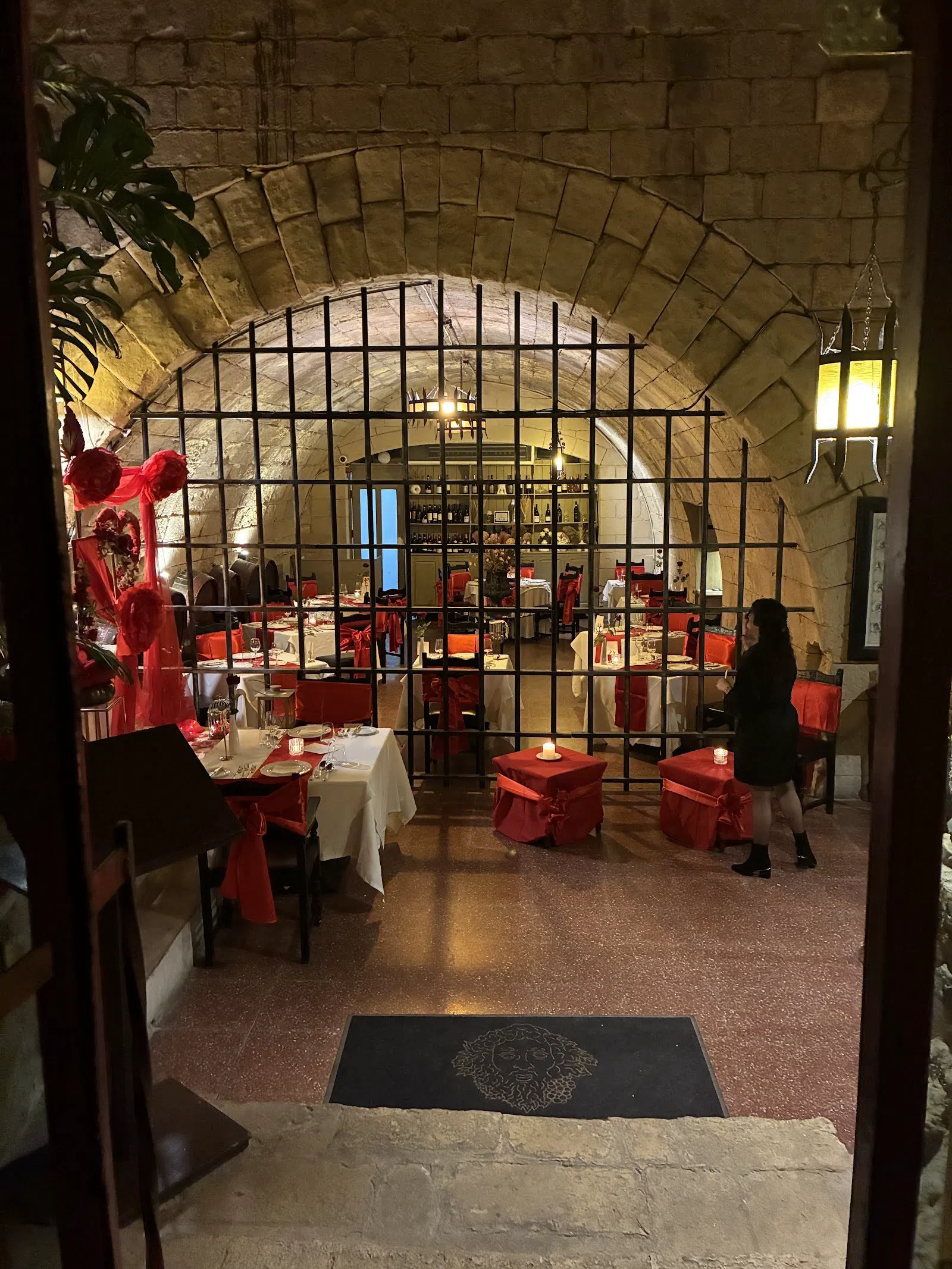
Bacchus (Inguanez Street, Mdina) is the Mdina restaurant where the room matches the food: vaulted chambers built into the bastion that stay cool through August. Mains are €25 to €40. It takes group bookings and private functions, but reserve rather than turning up, particularly for the vaults.
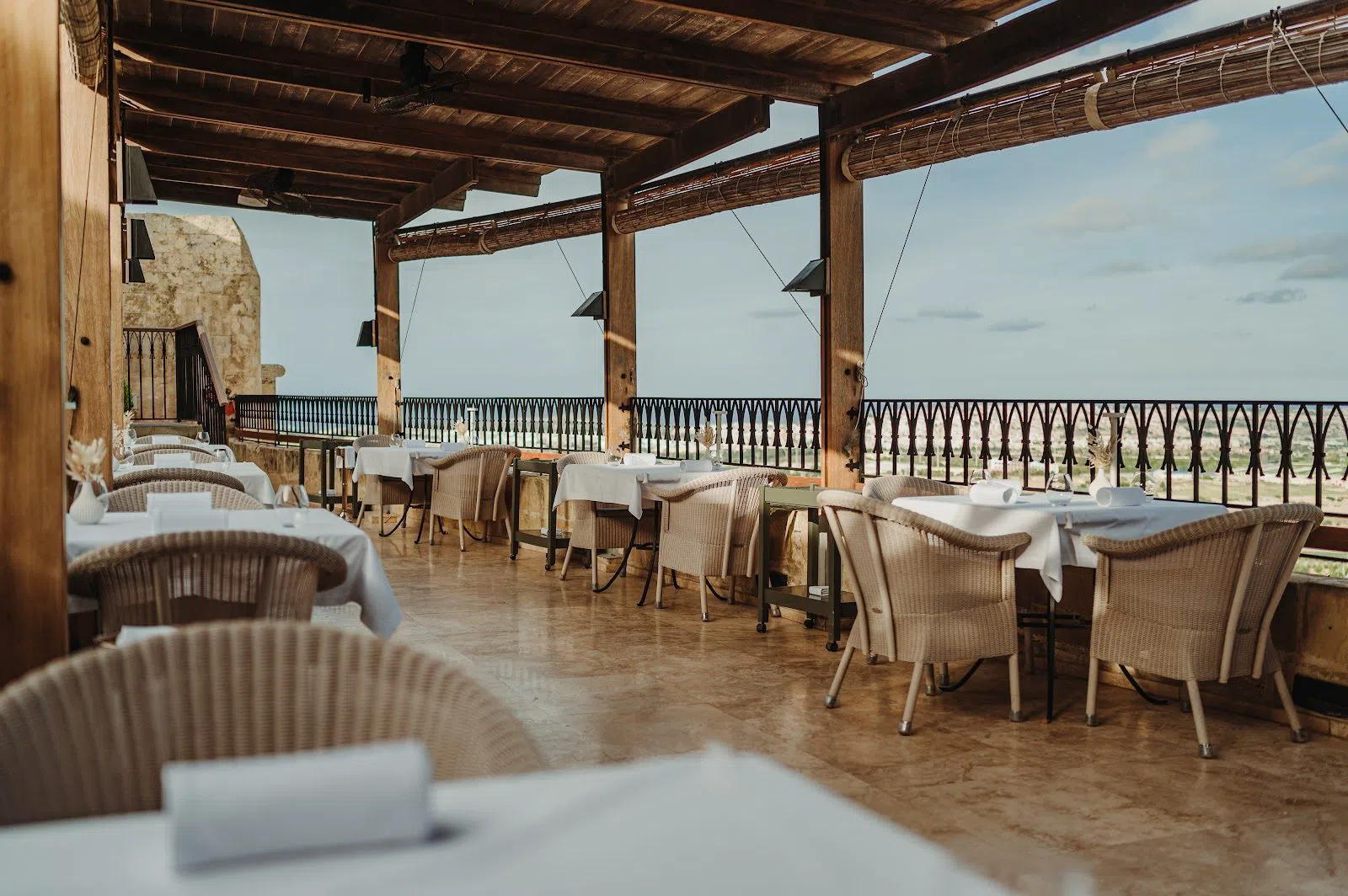
de Mondion (Xara Palace, Mdina) retained its Michelin star in the 2026 guide. It is dinner only, Tuesday to Saturday, from roughly 19:00, with à la carte and a tasting menu, and private dining rooms available, though the small main room suits two or four better than eight. Book the taxi or check the last bus before you book the table, because a tasting menu finishing at 22:30 and a thinning evening timetable do not combine well. Its sister trattoria on the square below handles lunch if you want the kitchen without the evening logistics.
Two cheap extensions on the way home
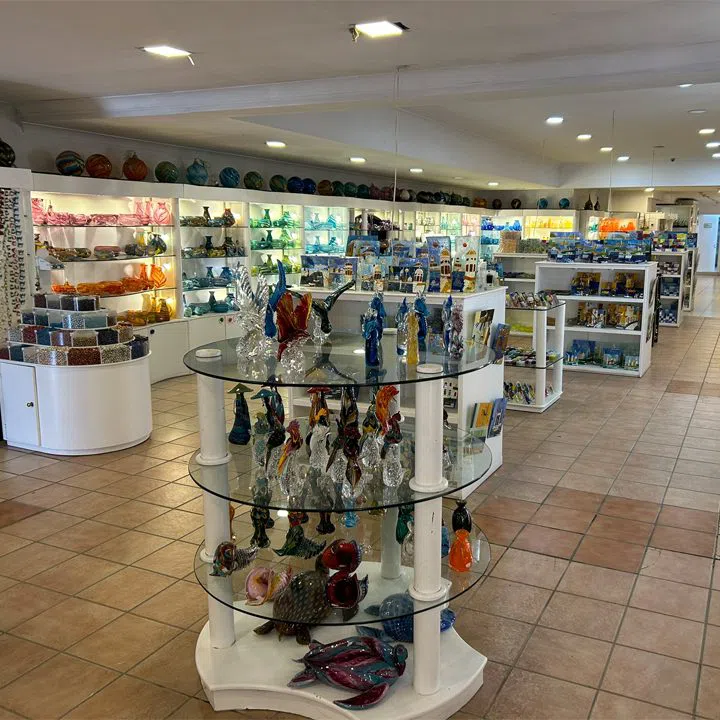
Mdina Glass, Ta' Qali Crafts Village sits on the same 51/52/53 corridor, ten minutes back down the hill, at the stop marked Ħġieġ. Entry is free, no booking is needed, and you can stand and watch the furnace floor; glassware starts around €15. Demonstrations run on weekday working hours, so it is a weekday add-on rather than a Sunday one. Because it is on the route you are already taking, it costs you a stop rather than a separate trip.
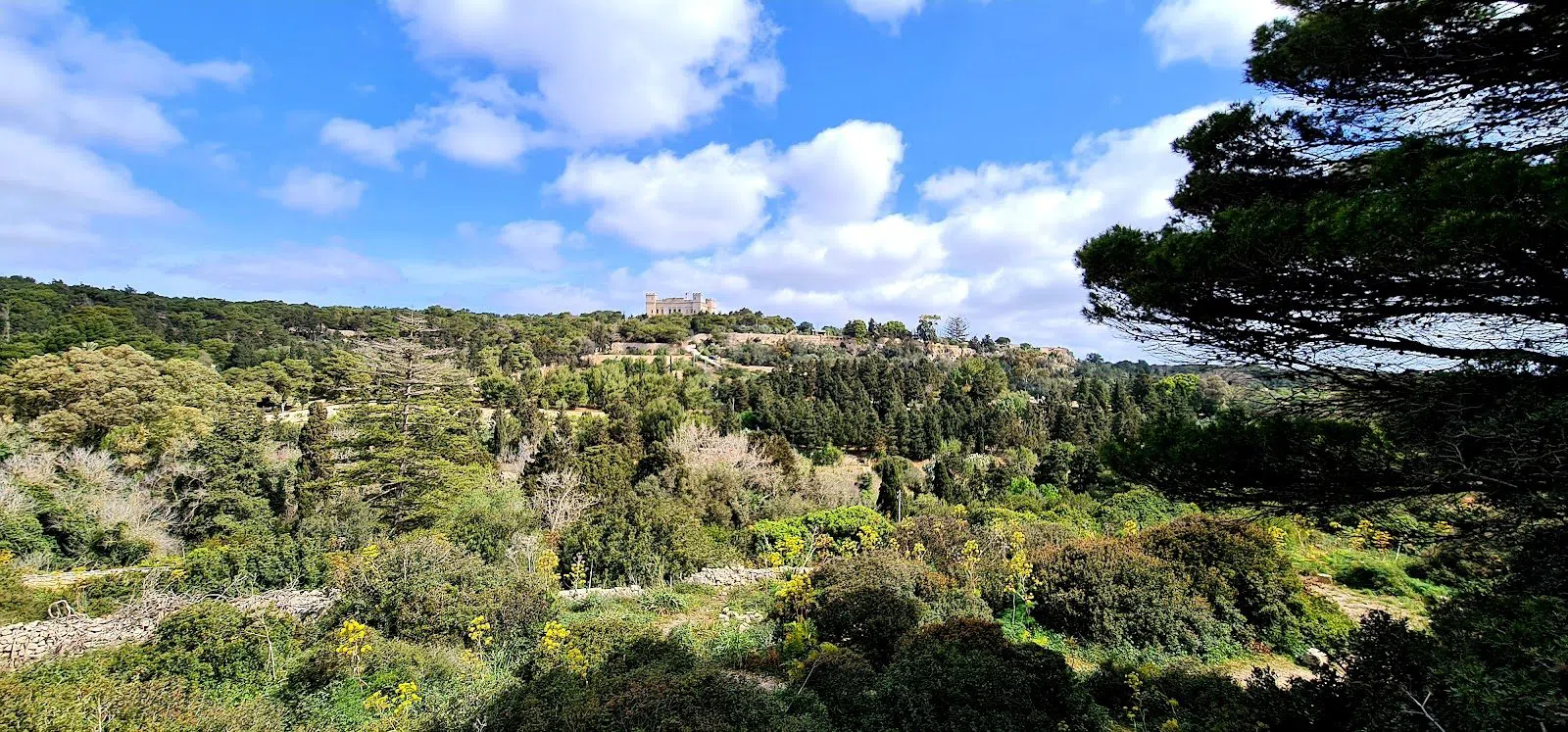
Buskett Gardens & Dingli Cliffs is the better extension if you have the legs and the daylight. Bus 52 continues to Dingli, or you can walk from Rabat through the Buskett woodland to the cliff edge in forty-five to sixty minutes. Both are free and unticketed, open countryside with no facilities on the cliff path, so take water and check the return bus times before you set off, because evening services out there thin out fast. It is the one part of this day where being car-free imposes a real deadline.
Who each door actually suits
Couples and pairs get the most from Palazzo Falson, Casa Bernard and de Mondion, all of which are small rooms where a party of ten changes the experience. Groups are straightforwardly welcome at the cathedral and museum, St Paul's Catacombs, the Wignacourt Museum, the natural history museum and Point de Vue. Three places need managing: Fontanella, which cannot hold a table for you under any circumstances; St Agatha's, which will split you across tours; and the Dungeons, where the corridors force you apart anyway. Palazzo Falson and Casa Bernard both want advance notice for groups, and Palazzo Falson turns away under-sixes at the door.
Practical notes
Transport. Routes 51, 52 and 53 from the Valletta terminus, every ten to twenty minutes, thirty-five to forty-five minutes each way. One fare covers two hours, so a stop at Ta' Qali on the way back is often free. Photograph the return timetable on arrival. Taxis from Mdina to the capital exist but cost many times the bus fare.
Cash. Carry coins for the bus and small notes for Is-Serkin, the Dungeons and St Agatha's. The larger Heritage Malta sites and the restaurants take cards without trouble.
Timing. Avoid Sunday: the cathedral and museum are closed to visitors and St Agatha's is shut. Avoid Monday if Palazzo Falson matters to you. St Agatha's opens weekday afternoons only, which means the natural shape of the day is Mdina in the morning, lunch at the boundary, Rabat from 13:00.
Budget. A workable day runs about €40 a head: two bus fares, the €15 cathedral and museum ticket, the €6 catacombs, a €5 museum, pastizzi at Is-Serkin and cake at Fontanella. Add Palazzo Falson, Casa Bernard and a sit-down lunch and you are nearer €80. Dinner at de Mondion is a separate decision entirely.
For how this trip fits alongside the rest of a stay in the capital, the Valletta guide covers what is worth doing on the days you stay put.
Before you go
How do you get from Valletta to Mdina and Rabat without a car?
Buses 51, 52 and 53 leave from the terminus outside City Gate in Valletta and all run to the Rabat interchange on Saqqajja Square, every ten to twenty minutes through the morning. The journey takes thirty-five to forty-five minutes depending on traffic. Mdina Gate is a two-minute walk uphill from the stop, and central Rabat is eight to ten minutes on the flat in the other direction.
How long do you need for Mdina and Rabat in one day?
A full day, roughly 09:45 to 17:00 on the ridge, covers the cathedral and its museum, one house museum, St Paul's Catacombs, one more Rabat site and a proper lunch. Six hours is comfortable; four is enough only if you skip either the cathedral museum or the catacombs.
Can you visit Mdina Cathedral on a Sunday?
No. The Mdina Metropolitan Cathedral of St Paul and its Cathedral Museum do not open to visitors on Sundays, and St Agatha's Crypt is closed on Sundays and public holidays too. The combined €15 cathedral and museum ticket is sold Monday to Saturday, 09:30 to 16:30, with last tickets at 16:15, and only at the Museum desk across the square, not at the cathedral door.
Is the Rabat Combo ticket worth buying?
It bundles St Paul's Catacombs with Domvs Romana and the National Museum of Natural History and stays valid for thirty days, so it pays off if you intend to see all three. If you only want the catacombs, buy the €6 single admission. Domvs Romana has had its opening days reduced during mosaic conservation work, so confirm with Heritage Malta on the day.
Can you get back to Valletta after dinner in Mdina?
Yes, but check before you book. Buses run into the evening and then thin out sharply after about 21:00, with earlier last departures on Sundays. de Mondion serves dinner only, Tuesday to Saturday from around 19:00, so a tasting menu can outlast the timetable. Photograph the return times at the stop when you arrive in the morning, and price a taxi as the fallback.