The Valletta issue
Gozo in One Day from Valletta by Fast Ferry
The boat leaves from the capital's own quay, so a Gozo day trip is a 45-minute crossing and a choice of three places. Here is how the ferries, buses and last sailings actually fit together.

By Robin de VriesSlow days across Valletta's streets

The Gozo ferry leaves from Valletta itself, and that single fact decides the shape of your day. You walk down to the waterfront, sit for about forty-five minutes, and step off at Mġarr harbour on an island that runs slower than the one you left — fifteen bus routes that all pass through the same small city, a temple older than the Pyramids twenty minutes inland, and a coastline you can swim off by mid-afternoon. The trip is easy. The mistake is trying to see all of it.
Which boat you take from Valletta
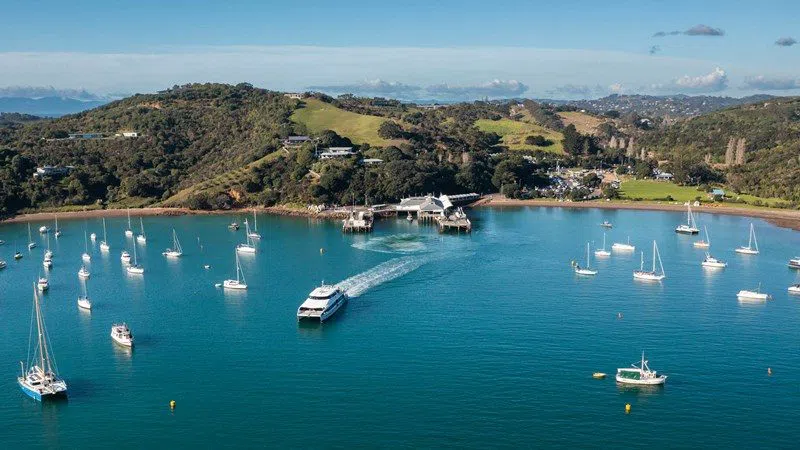
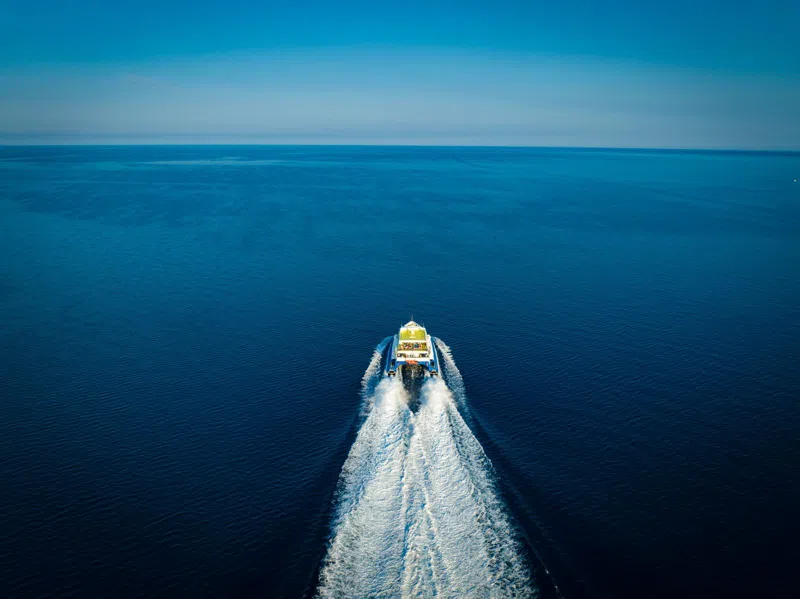
Gozo Highspeed (Valletta Waterfront) runs the passenger fast ferry from the capital's own quay to Mġarr in about 45 minutes. It is €7.50 one way and roughly €13 return, walk-on, with no reservation needed. The saloons hold over 300, so a group boards together rather than splitting across sailings — but peak summer departures oversell. Buy online and queue early rather than turning up at the gate five minutes before and watching it fill.

One point of confusion worth clearing up: this is one company, not two. Gozo Fast Ferry and Virtu Ferries Gozo merged under the Gozo Highspeed brand in July 2023, so there is a single timetable and a single ticket, whatever older printouts and forum posts suggest.
The real variable is wind. The fast ferry is the first thing cancelled in a strong northerly, and it can be cancelled after you have already crossed, which is the version that matters to a day-tripper. That is when you need the other boat.
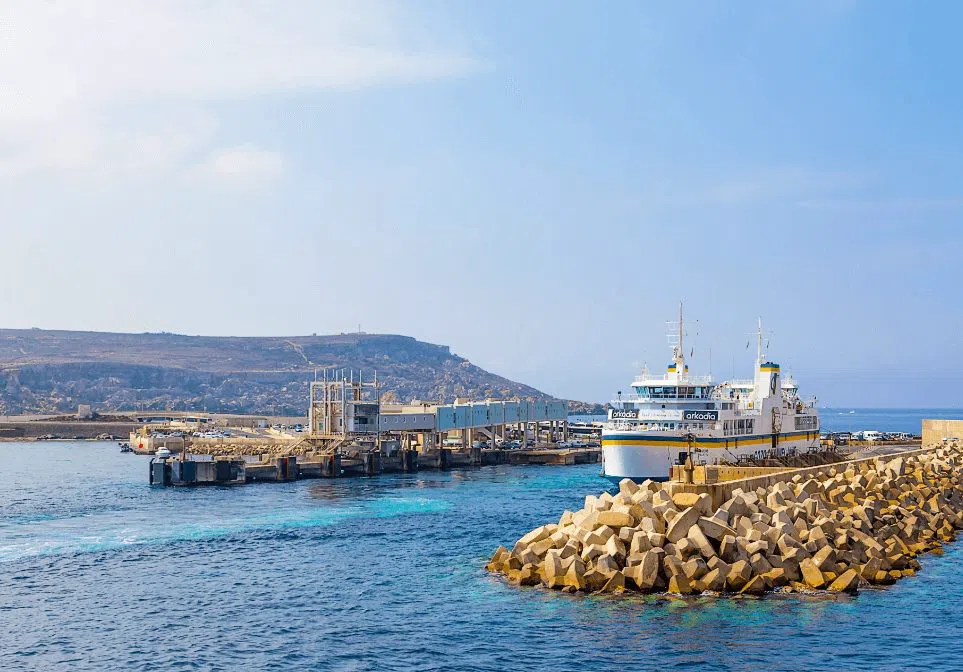
Gozo Channel Line (Ċirkewwa–Mġarr) is the car and passenger ferry at the top of the main island — a 25-minute crossing, running 24 hours a day, year-round. Foot passengers pay €4.65 return and a car around €16, and you pay on the Gozo side, on the return leg only, which catches people out standing at the ticket window on the way over. No booking, no cap: coaches and large groups use it daily. From Valletta it is the long way round — the better part of an hour and a half by bus each way to Ċirkewwa — so treat it as the fallback rather than the plan, and note that the €130m fleet renewal under way will not put new ships in the water before 2028–29. Three vessels and summer car queues are what you get until then.
Plan your Valletta trip
Live prices from our booking partners.
Free cancellation on many rooms. We may earn a commission when you book.
Getting around once you land
Malta Public Transport (Gozo bus network) covers the island with fifteen routes, all radiating from Victoria. A ticket is €2.00 in winter and €2.50 in summer and stays valid two hours. Route 301 links Mġarr harbour to Victoria every 30 minutes and is timed to meet the ferries, so the first leg is straightforward.

The honest catch is the hub-and-spoke design. Almost every journey between two coastal points means changing at Victoria, which is why two coastal stops in a day is realistic and four is not. Do the arithmetic before you build an itinerary around the map rather than the timetable. Buses are fine for pairs and small groups; a party of ten will not board one bus at Mġarr after a ferry lands, and there is no group booking. Note also that network changes phase in from 13 June 2026, so check the current route numbers on the day rather than trusting a screenshot from an earlier trip.
City Sightseeing Gozo (departing Mġarr harbour) is the pragmatic answer if you want the west and north without the changes. Two connected lines, 14 stops, about 2.5 hours if you stay aboard, from around €25 per adult for a day, with audio guides in 16 languages and tickets valid twelve months. It is timed to meet the ferries and it stops at Dwejra, Ta' Pinu and Xagħra — three places the local buses only reach with a change at Victoria. For groups it is the simplest option on the island: open seating, no minimum, no reservation.

Ġgantija and the windmill most people miss
Ġgantija Temples and Ta' Kola Windmill (Xagħra) is the one sight that justifies the crossing on its own. The temples predate Stonehenge and the Pyramids, and the site is walk-in — no advance booking, even in high summer. Entry is €10 for adults, €8 for seniors and 12–17s, €6 for children.
That ticket also covers Ta' Kola Windmill, a five-minute walk away, which most day-trippers never use. The windmill is a small, plain, genuinely interesting building — the miller's rooms are laid out as lived in — and it takes twenty minutes.
Opening is daily 10:00 to 18:00 from 1 March to 31 October, and 09:00 to 17:00 in winter, closed Tuesdays in January and February. Last admission is 30 minutes before closing, which matters if you are arriving on a mid-afternoon ferry. Heritage Malta arranges timed group entry and guided visits if you are more than a handful of people.
Victoria and the Cittadella
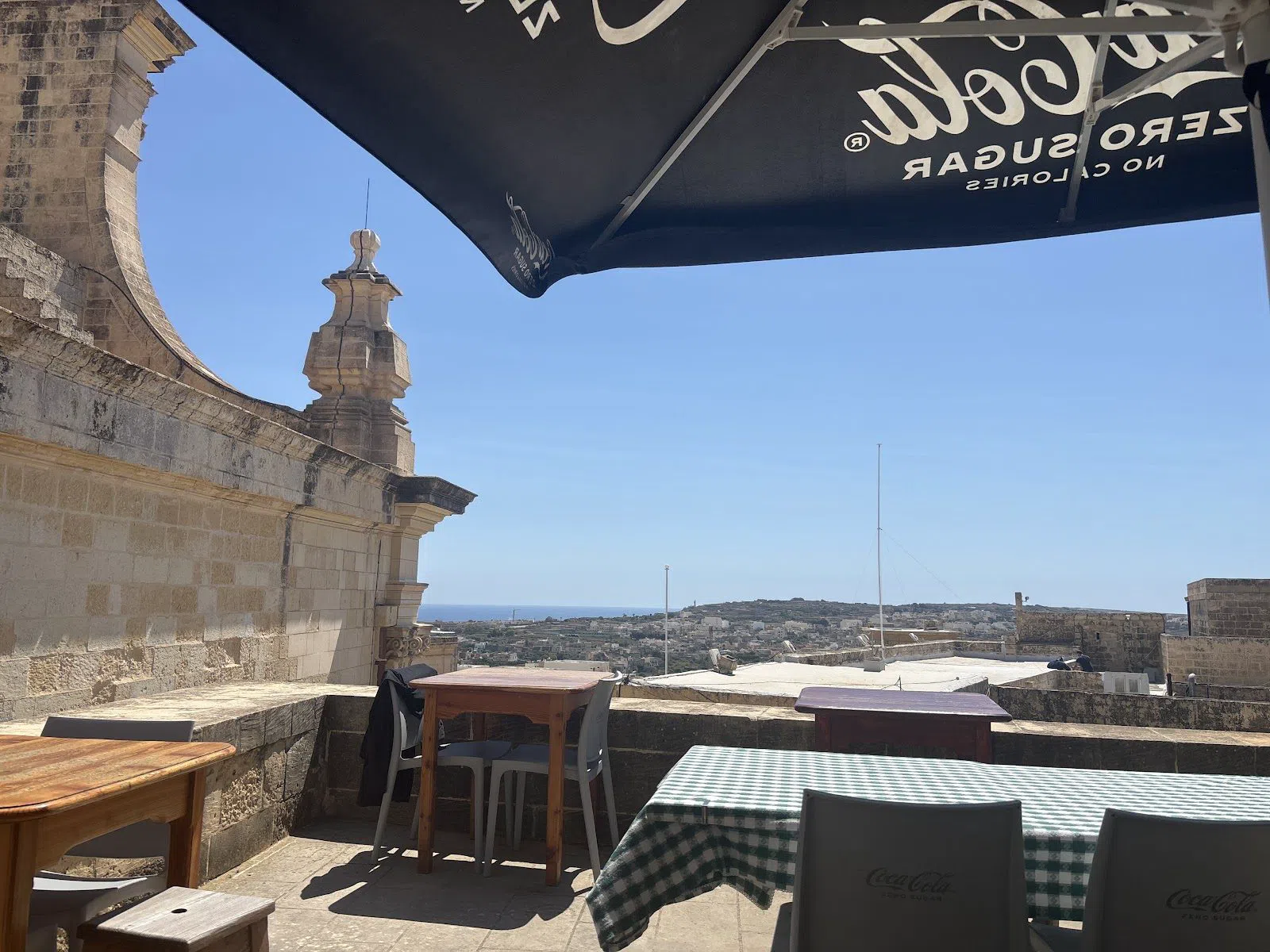
Every bus route passes through Victoria, so the Cittadella (Victoria) is the natural centre of the day whether or not you planned it. The streets and ramparts are free and open at all hours, with no door policy and no cap on numbers — you can walk the walls at any point in the day and the view over the island from the north side is the one that orients you.
The museums are ticketed: €5 for adults, €2.50 concession, for a combined ticket covering the Visitors' Centre, the Gozo Museum of Archaeology, the Gran Castello Historic House, the Nature Museum and the Old Prison. The Visitors' Centre keeps shorter days than the rest — Tuesday, Wednesday, Friday, Saturday and Sunday, 09:00 to 16:30 from 1 October — so check the day before if you are building a plan around it.
Lunch is settled by geography. Ta' Rikardu (inside the Cittadella) serves €12 to €25 a head and makes its own cheese, bread and wine on the family farm and vineyard, so the platter is the real thing rather than a tourist assembly. It is small and popular: a group of more than six inside needs to call ahead, though the rooftop terrace takes larger parties in good weather. Roughly 09:00 to 18:00 most days, but it closes early on Fridays.
Ta' Pinu and the west coast
Basilica of Ta' Pinu (Għarb countryside) is worth thirty to sixty minutes even if you have no religious interest at all. It stands in open farmland with no village around it, which is the clearest look at rural Gozo you will get in half an hour. Entry is free, donations welcomed, and coach parties are normal here, so arriving with a group is no problem. The dress code is enforced: shoulders and knees covered, men and children included. If you are coming from a beach, carry a layer in your bag or you will be turned away at the door. Allow longer if you want to walk the Stations of the Cross up Ta' Għammar hill behind the church.

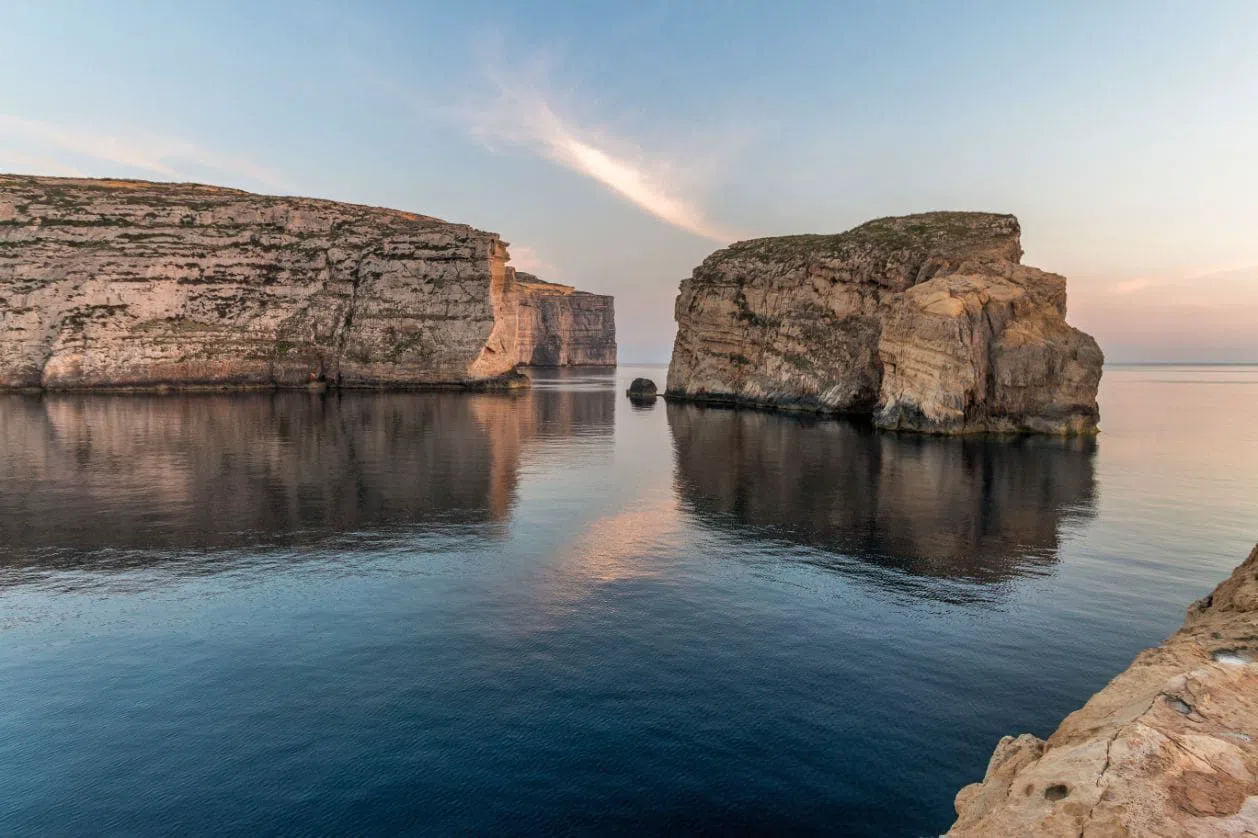
Dwejra and the Inland Sea (San Lawrenz) needs one correction stated plainly: the Azure Window collapsed into the sea during a storm in March 2017 and there is nothing left above water to photograph. What remains is arguably the better experience anyway. Boatmen run small luzzu craft from the Inland Sea through a cave tunnel in the cliff and out under the rock face towards Fungus Rock — €5 for the short tunnel run, around €25 for a 90-minute Dwejra cruise. The boats seat about eight, so a larger group splits across several; in season they run continuously, so that is a formality rather than a wait. Sea state closes the tunnel run without warning, and no one can tell you the night before whether it will run. Dwejra is on route 311 from Victoria and is a hop-on hop-off stop.
The north coast salt pans and swims
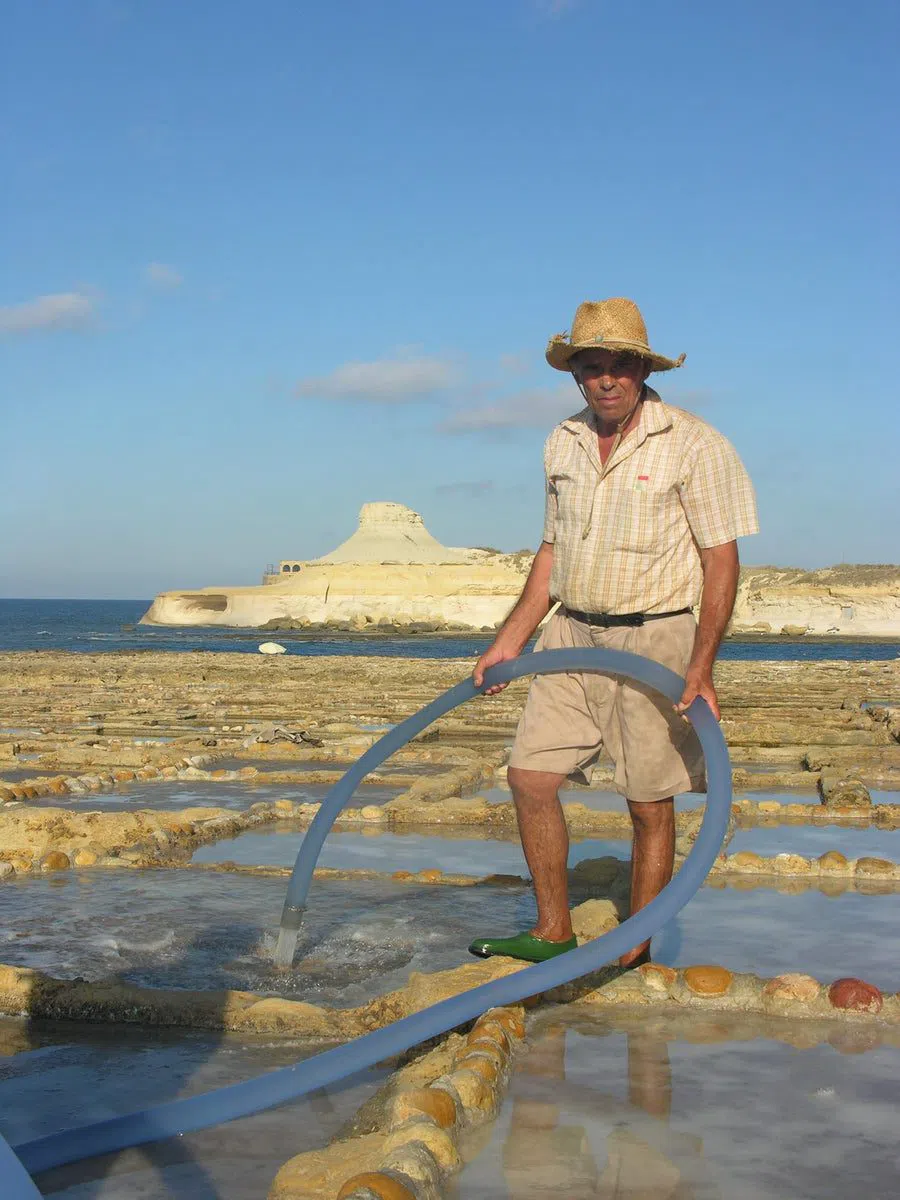
Ten minutes past Marsalforn, the Xwejni Salt Pans (Xwejni, north coast) are cut into a flat shelf of rock along the shore — freely accessible, no gate and no ticket. The Cini family have worked them since 1969, and Manuel, known as Leli tal-Melħ, sells from a shop carved into the rock and will talk you through the trade for nothing. Sea salt runs about €3 to €8 a bag. Harvesting runs roughly mid-May to early September, weather permitting, so a summer visit can catch the actual raking. Groups and school visits are taken by appointment through the family.
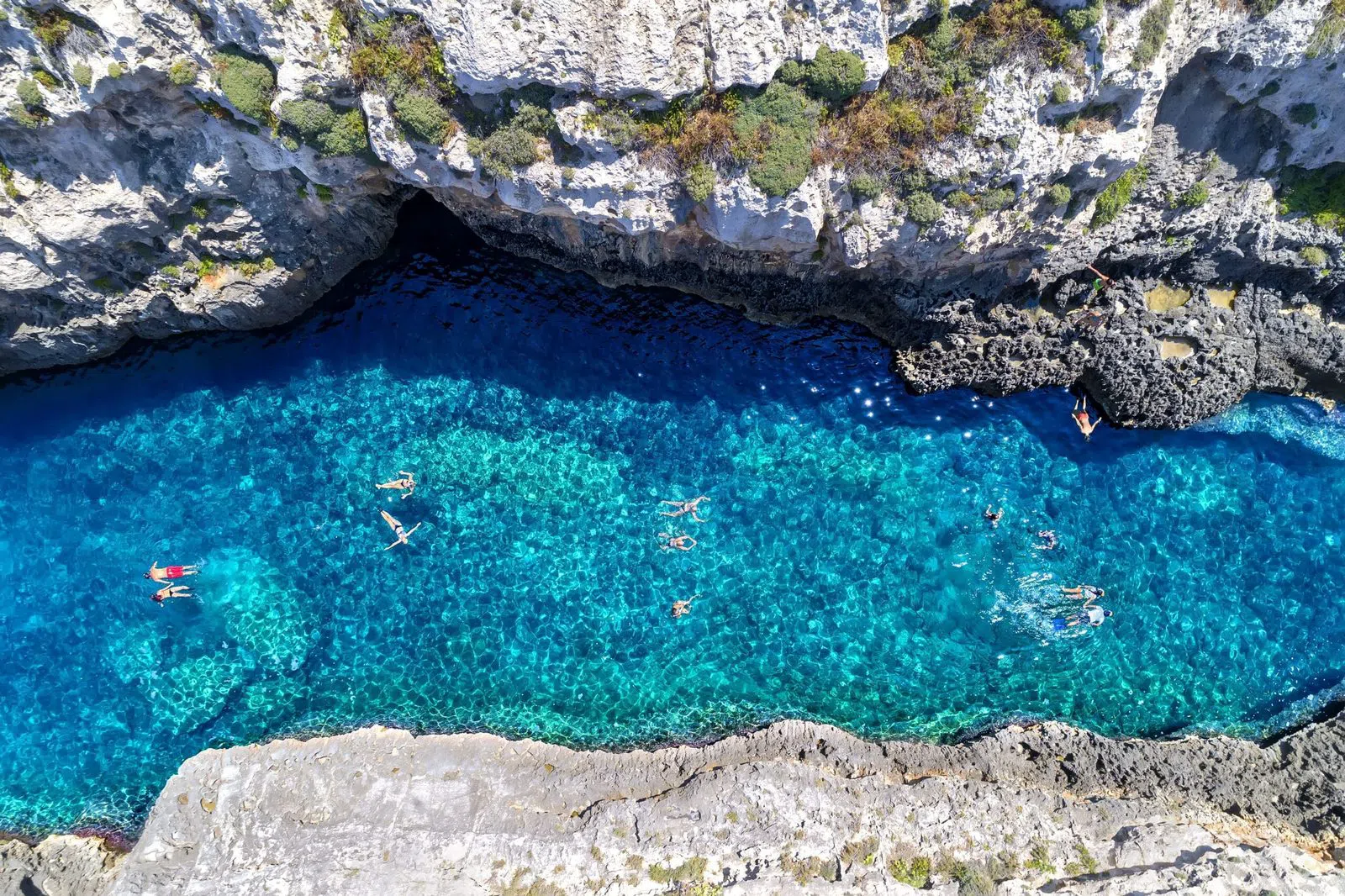
Next door, about 15 minutes from Victoria, Wied il-Għasri (north coast) is a narrow sea gorge reached by a steep flight of steps down to a tiny pebble beach. It is the swim worth planning the north coast around, and it pairs naturally with the salt pans into a half day. Be realistic about who it suits: there are no facilities, no lifeguard and very little beach, so it is fine for a handful of people and wrong for a coach party. The steps rule it out for anyone with mobility difficulties, a buggy or a wheelchair. The climb back up is hard work in August heat and there is no shop, so carry water. If any northerly swell is running, skip it entirely.
Ramla Bay and Xlendi
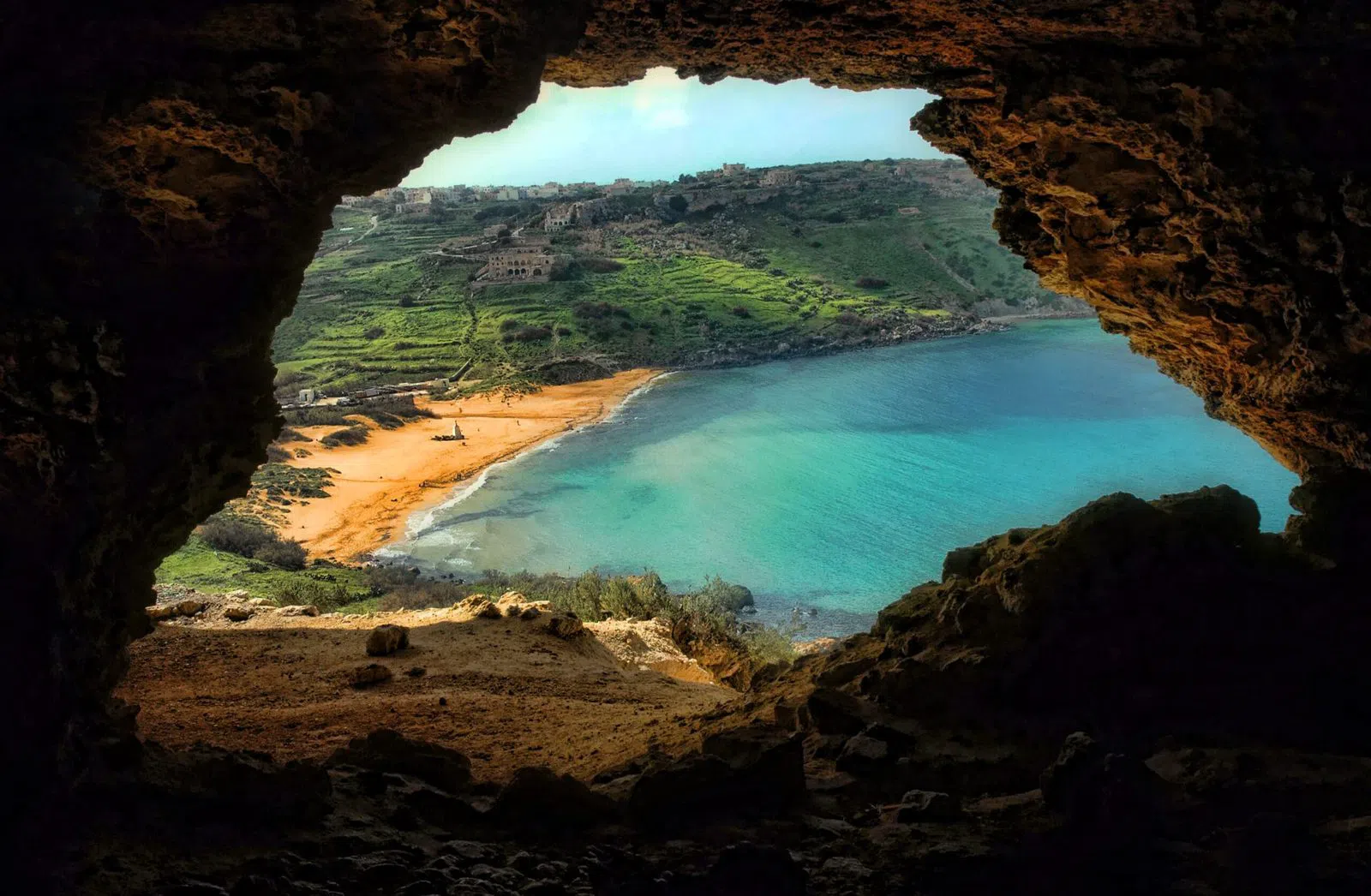
Ramla Bay and the Calypso viewpoint (Xagħra) is the island's red-sand beach and reachable by bus from Victoria. It is free, with summer kiosks and sunbeds at around €10 to €15, and it takes any size of group. One correction worth printing: the cave at Calypso is closed to the public after boulder collapse caused by geological movement, but the viewing platform above it is open, and that was always the better vantage point. Do not send anyone hunting for a cave entrance. The car park and path above the bay are small.
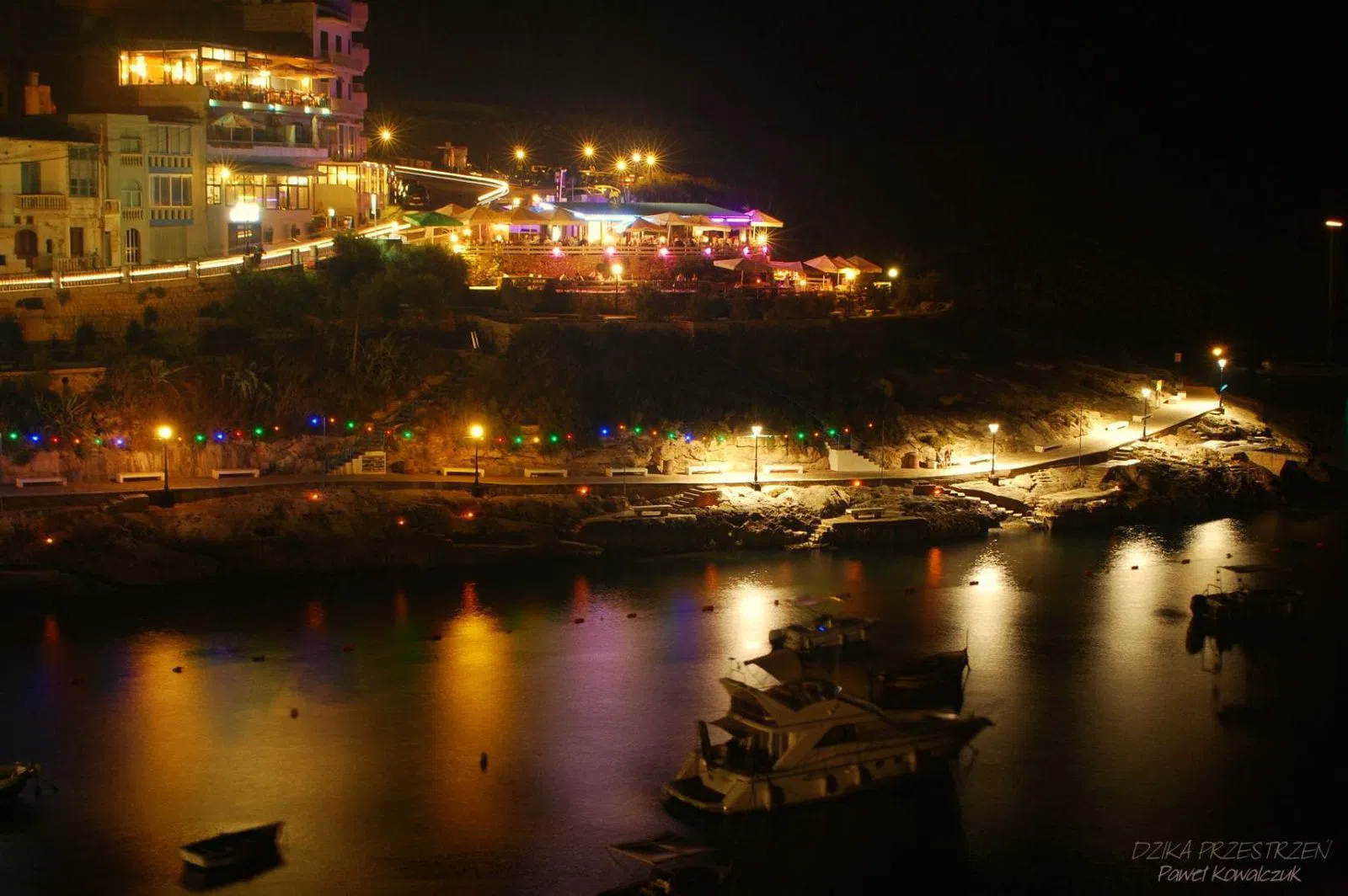
Xlendi Bay (Xlendi) is the best-value last stop before the ferry. The swimming is off ladders and rock slabs rather than sand — deep, clear water with a diving board — which suits swimmers rather than families with small children. Waterfront restaurants seat groups easily and lunch runs €20 to €40 a head. A steep path climbs from the bay to Carolina Cave and the Knights' watchtower, about twenty minutes up. Best May to October, and calmest in spring and early autumn.
Adding Comino to the same day
Xlendi Pleasure Cruises (Mġarr harbour) has been sailing since 1988 and departs from Mġarr as well as Ċirkewwa, which is the detail that matters: you can fold Comino into the same day you cross for Gozo rather than spending a separate day on it. A half-day Comino trip runs €25 to €45, typically a four-hour circuit taking in the Blue Lagoon, the Crystal Lagoon and the sea caves. Boats take up to 40 and run scheduled shared departures, so groups are routine, and private charters are available. Cancellation is free up to 24 hours ahead.
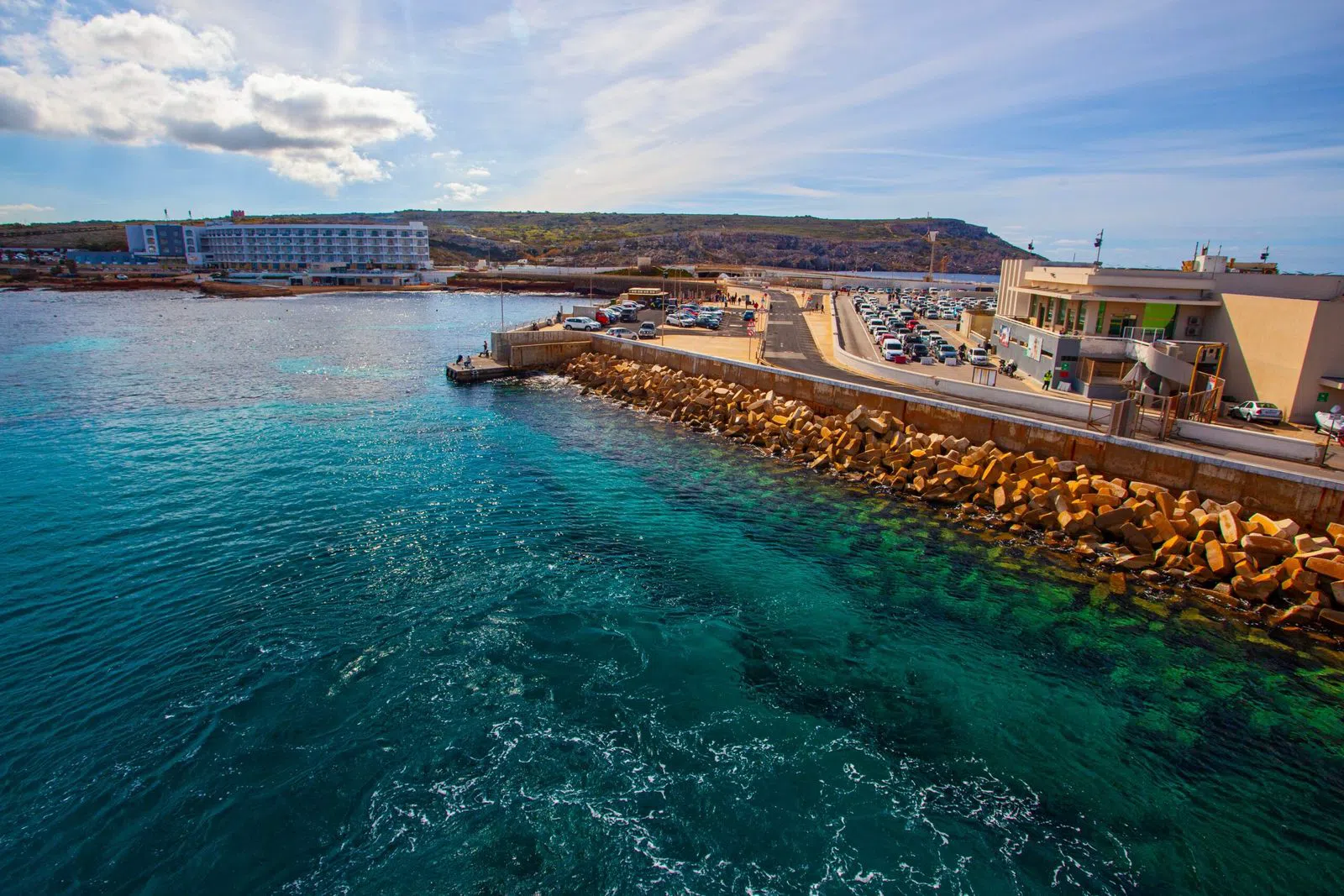
One timing note: the Blue Lagoon is at its worst around midday in August, when every operator on both islands converges on it. An early or late departure is a different place.
Eating on Gozo
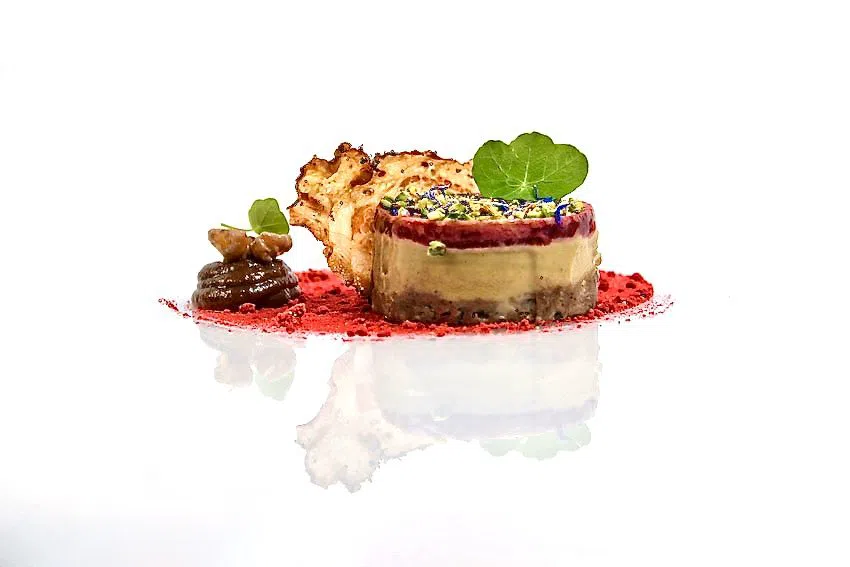
Tmun Mġarr (Mġarr) is the MICHELIN Guide's seafood pick on the island and has been in the guide continuously since 2020, at €45 to €70 a head. Its practical advantage for a day-tripper is the address — a two-minute walk from the ferry berth, so you can eat properly and still watch your boat. Booking is essential and the room is small; parties over eight should reserve the terrace well ahead. Dinner is 19:00 to 22:00, with Sunday lunch 12:00 to 14:00, and it is closed on Tuesdays.
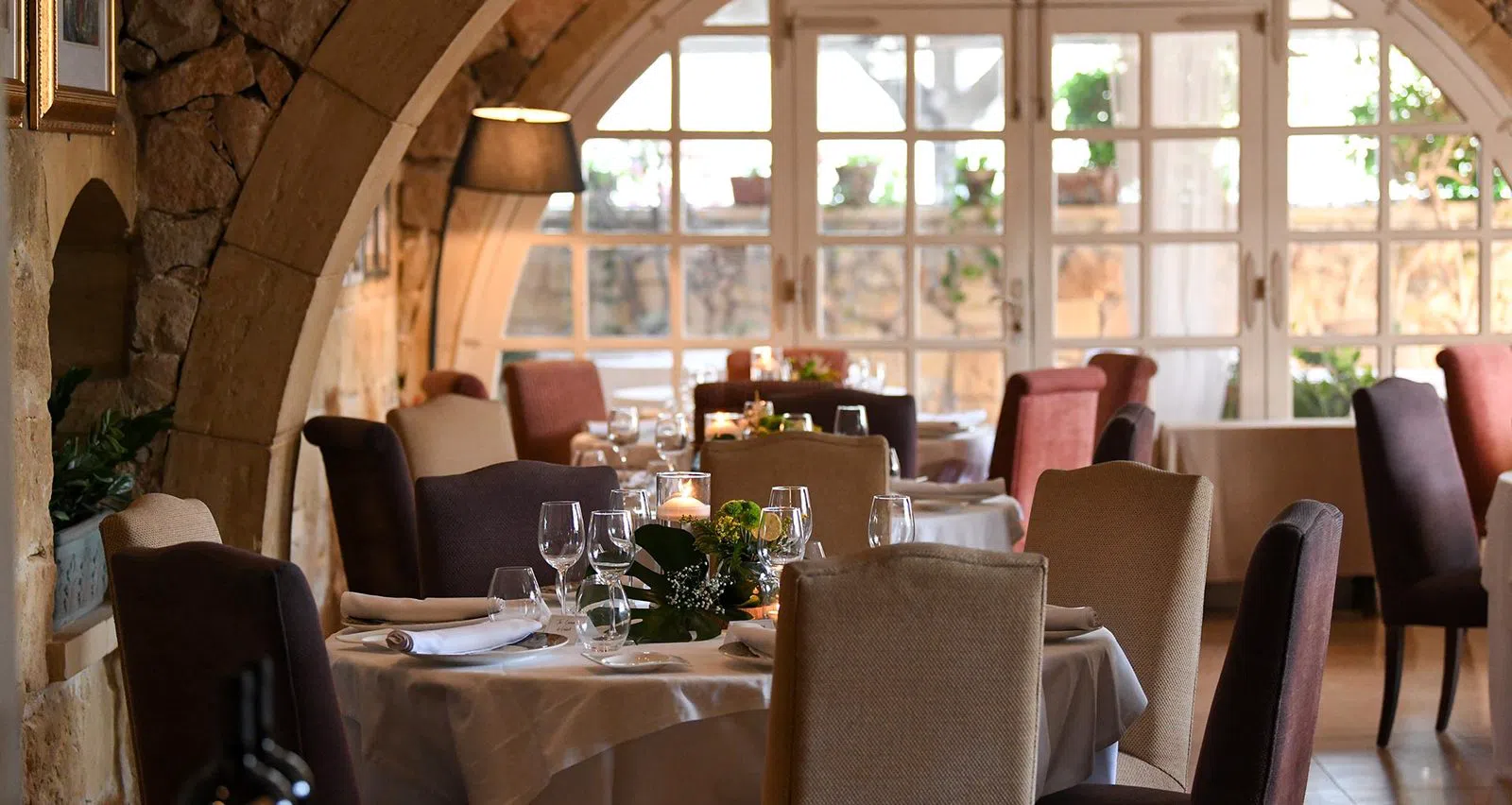
Ta' Frenċ (between Victoria and Marsalforn) is in the 2026 MICHELIN Guide Malta and is the island's benchmark dining room, with a cellar running past 700 labels; €70 to €110 a head, tasting menus higher. Standards have held through a change of management. It takes private parties and has separate function space, and reservations are required. Flag it honestly, though: it does not fit a bus-and-ferry day. The location is rural with no practical late public transport, so it needs a taxi both ways or an overnight stay on Gozo.
Two versions of the day that work
If you want the island's substance without rushing: early fast ferry, route 301 to Victoria, bus on to Xagħra for Ġgantija and the windmill, back to Victoria for the Cittadella and lunch at Ta' Rikardu, then the 311 out to Dwejra for the tunnel run, and the last bus back to Mġarr. That is three stops and a change or two, and it fills the day without stress.
If you want sea rather than stone: hop-on hop-off from the ferry to Ta' Pinu, north to the salt pans and a swim at Wied il-Għasri, then Xlendi in the late afternoon for a long lunch and a ladder swim before the evening sailing. Either version leaves the other half of the island for a second visit, which is the correct outcome.
Practical notes
Transport. Budget the return fast ferry at about €13, buses at €2.00 to €2.50 for two hours, or roughly €25 for the hop-on hop-off day ticket. Check the last sailing when you buy your outbound ticket and work backwards from it — the timetable thins out considerably in winter, and Mġarr is not a place you want to be improvising from at 21:00. If the wind gets up, the Gozo Channel ferry to Ċirkewwa runs through the night, and a bus from there gets you back to the capital.
Cash. Carry some. Boat tunnel runs at Dwejra, the salt shop, deckchairs at Ramla and small kiosks are cash-friendly and sometimes cash-only; the ferries, museums and restaurants take cards.
Timing. Ġgantija's last admission is 30 minutes before closing, the Cittadella Visitors' Centre keeps a five-day week from 1 October, Tmun Mġarr is shut on Tuesdays and Ta' Rikardu closes early on Fridays. Those four facts break more day plans than the ferry ever does.
Budget. A car-free day with the ferry, a bus ticket, Ġgantija, the Cittadella museums and lunch at Ta' Rikardu comes to roughly €45 to €60 a head. Add a Comino trip or dinner at Tmun and you are closer to €100.
Base. Staying central puts you within walking distance of the ferry quay, which is worth more on a Gozo day than any other convenience — see the Valletta hotel search for what is close to the waterfront, and the Valletta guide for what to do with the evening you come back to.
Before you go
How long is the ferry from Valletta to Gozo, and do I need to book?
The Gozo Highspeed passenger ferry crosses from the Valletta Waterfront to Mġarr in about 45 minutes for €7.50 one way, roughly €13 return. You walk on without a reservation, but peak summer sailings oversell, so buy online and be at the gate early.
Can you see Gozo in a day without hiring a car?
Yes. Route 301 meets the ferries at Mġarr and runs to Victoria every 30 minutes, and a bus ticket is €2.00 in winter or €2.50 in summer for two hours. Almost every route changes at Victoria, so plan for two or three stops rather than five. The City Sightseeing Gozo bus, from about €25 a day, reaches Dwejra, Ta' Pinu and Xagħra without changes.
Is the Azure Window still standing at Dwejra?
No. It collapsed into the sea during a storm in March 2017 and nothing remains above water. The Inland Sea boat trip is still running (€5 for the short tunnel run out under the cliffs, around €25 for a 90-minute cruise), and sea state can close it without notice.
What happens if the fast ferry is cancelled while I am on Gozo?
Strong northerly wind stops the fast ferry first. The Gozo Channel Line car and passenger ferry from Mġarr to Ċirkewwa runs 24 hours a day, year-round, at €4.65 return on foot, with fares paid on the Gozo side. From Ċirkewwa it is roughly an hour and a half back by bus, so keep that option in mind.
What does a Gozo day trip cost per person?
Around €45 to €60 covers the return fast ferry, bus tickets, Ġgantija at €10, the Cittadella combined museums ticket at €5 and lunch at Ta' Rikardu for €12 to €25. Adding a half-day Comino boat trip at €25 to €45, or dinner at Tmun Mġarr at €45 to €70, takes it closer to €100.