The Valletta issue
Valletta Runs on Buses, Ferries and a 25-Second Lift
Valletta is a grid dropped over a ridge, and the buses, harbour ferries, electric cabs and dgħajjes exist to solve that. This is how to use them.

By Robin de VriesSlow days across Valletta's streets

Valletta measures about a kilometre from City Gate to the tip of Fort St Elmo, and you can walk that in twenty minutes without hurrying. Distance is never the difficulty. The city was laid out as a grid over a ridge between two harbours, so the streets running downhill towards the water finish as flights of steps. Plan around the gradient rather than the map and you will not need a car at any point in the trip, not for the airport, not for the day trips, not for your luggage.
The city itself is a walk with two shortcuts
Republic Street and Merchants Street run the length of the peninsula along the top of the ridge, and both are close to level. From the bus terminus outside City Gate to Fort St Elmo is fifteen to twenty minutes on foot, less if you are not stopping to look at anything. The cross streets are where it gets awkward: they drop hard towards Marsamxett on one side and the Grand Harbour on the other, and several are stepped for their entire length, which rules them out with a wheeled suitcase, a pushchair, or a knee that objects to descending 60 stairs in a row.
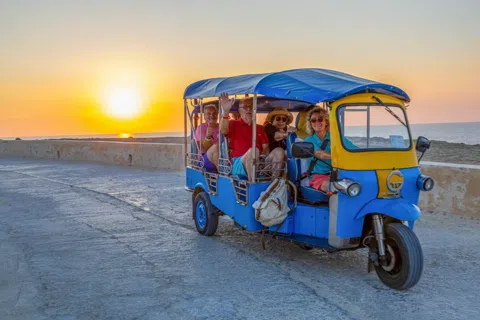
City Electric Cabs (hail them anywhere inside the city walls) exist for exactly that problem. The small electric mini-cabs carry three passengers plus the driver, cost €1 for the first passenger within the centre and €0.50 for each additional one, and the fare is capped at €5 per trip regardless of distance or numbers. A party of six simply takes two cabs and still pays under a tenner between them. Wave one down on the street, or ring ahead and give them about fifteen minutes' notice. They run 07:00 to 19:00 Monday to Saturday and 09:00 to 16:00 on Sunday, so a late evening arrival with bags is not covered, which is worth knowing before you commit to a room halfway down a stepped street. If you are still choosing, the flat ground near Republic Street costs more and saves you the climb every single day; the Valletta hotel search will show you which side of the ridge you are booking.
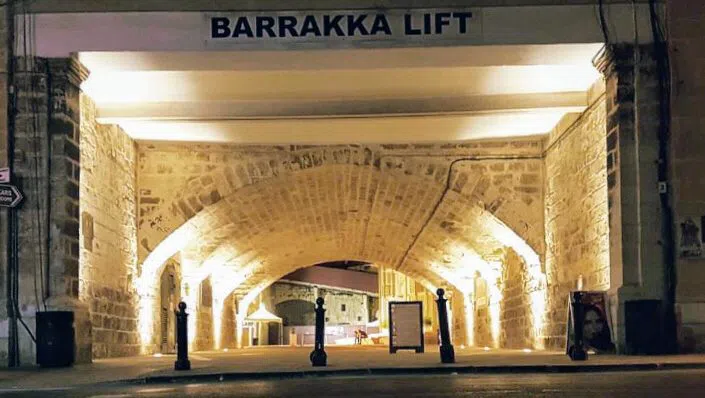
The other shortcut goes up rather than along. Barrakka Lift (Lascaris Wharf, directly below the Upper Barrakka Gardens) turns the climb from the quay up to the bastions into a 25-second ride for €1 return on the same day, and it is free if you hold a personalised tallinja card. Cabins take 21 people and it moves roughly 800 an hour, so even a coach-sized group clears it in two or three cycles. It opens at 06:30, which matters because the Gozo fast ferry and the Three Cities ferry both dock at its foot, and an early departure otherwise begins with a long walk up.
Plan your Valletta trip
Live prices from our booking partners.
Free cancellation on many rooms. We may earn a commission when you book.
Everything on the island leaves from City Gate
Malta Public Transport (the tallinja network; terminus on the plaza just outside City Gate) is what makes a car-free trip work, because every route on Malta radiates from that one square. Route 133 circles inside Valletta itself, the 51, 52 and 53 run to Mdina and Rabat, and the X-routes serve the airport. A single fare is €2.00 in winter (19 October to 13 June) and €2.50 in summer (14 June to 18 October); night and tallinja Direct routes are €3.00. Transfers within two hours are included, so a journey with one change costs one fare.

The passes are worth a minute of arithmetic. The Explore 7-day card is €25, which pays for itself at more than two rides a day in summer. The 12 Single Day Journeys card is €19 and suits a couple splitting one card across a long weekend. Explore Flex, bus-only, is €21 for four days or €27 for seven. A personalised tallinja card also carries the harbour ferries and the Barrakka Lift at no extra cost, so check that against your own itinerary before buying a separate pass on top.
The weak link is road traffic on the Sliema and St Julian's corridors in summer. Buses genuinely fill and drive past full stops, and a group of eight should expect to be split across two buses at peak times. There is no booking and no reservation; you walk on. Pad every timing by fifteen minutes, and if you have a fixed appointment on the other side of the harbour, take the boat instead.
Ten minutes on the water instead of thirty on the road
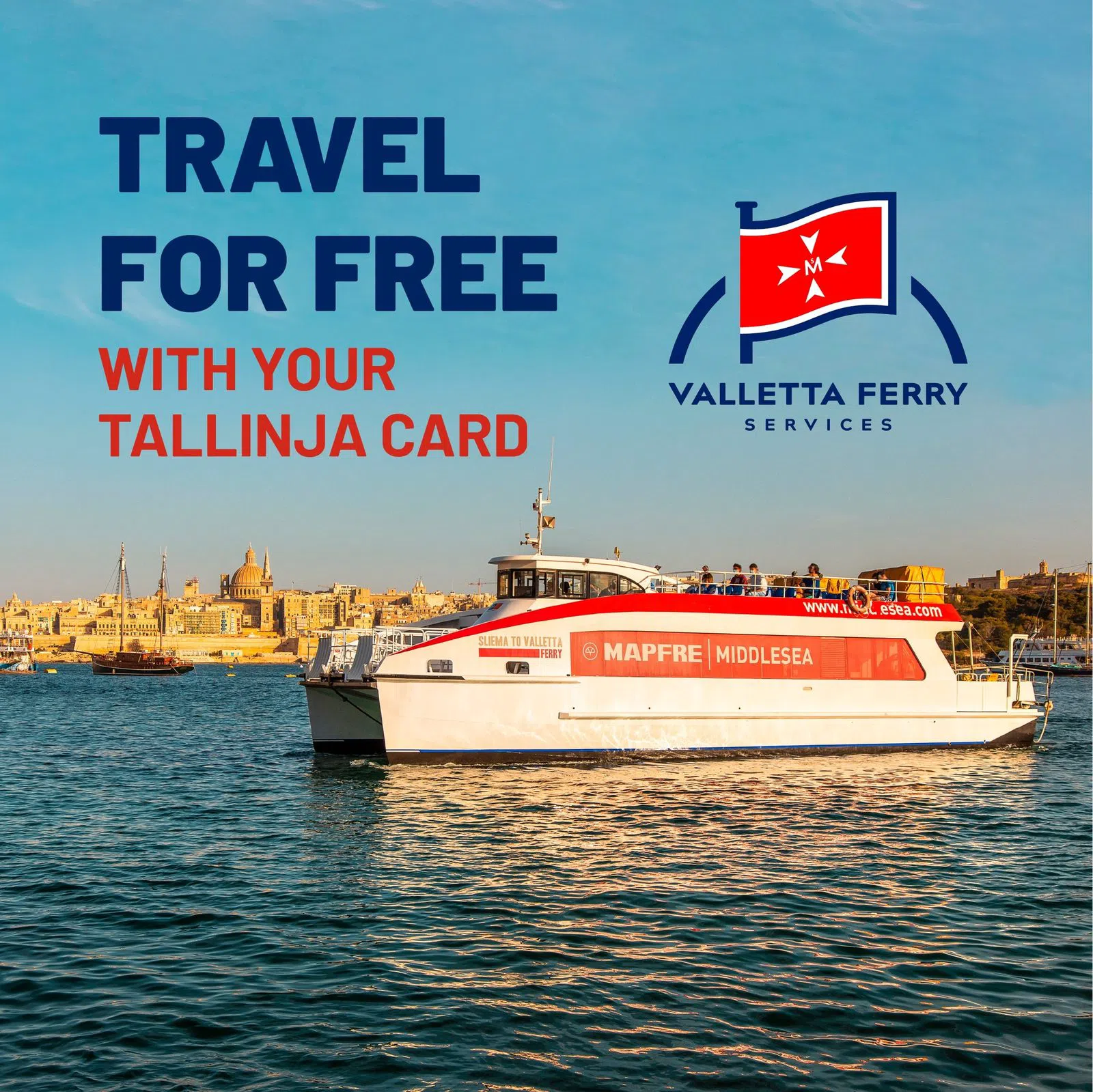
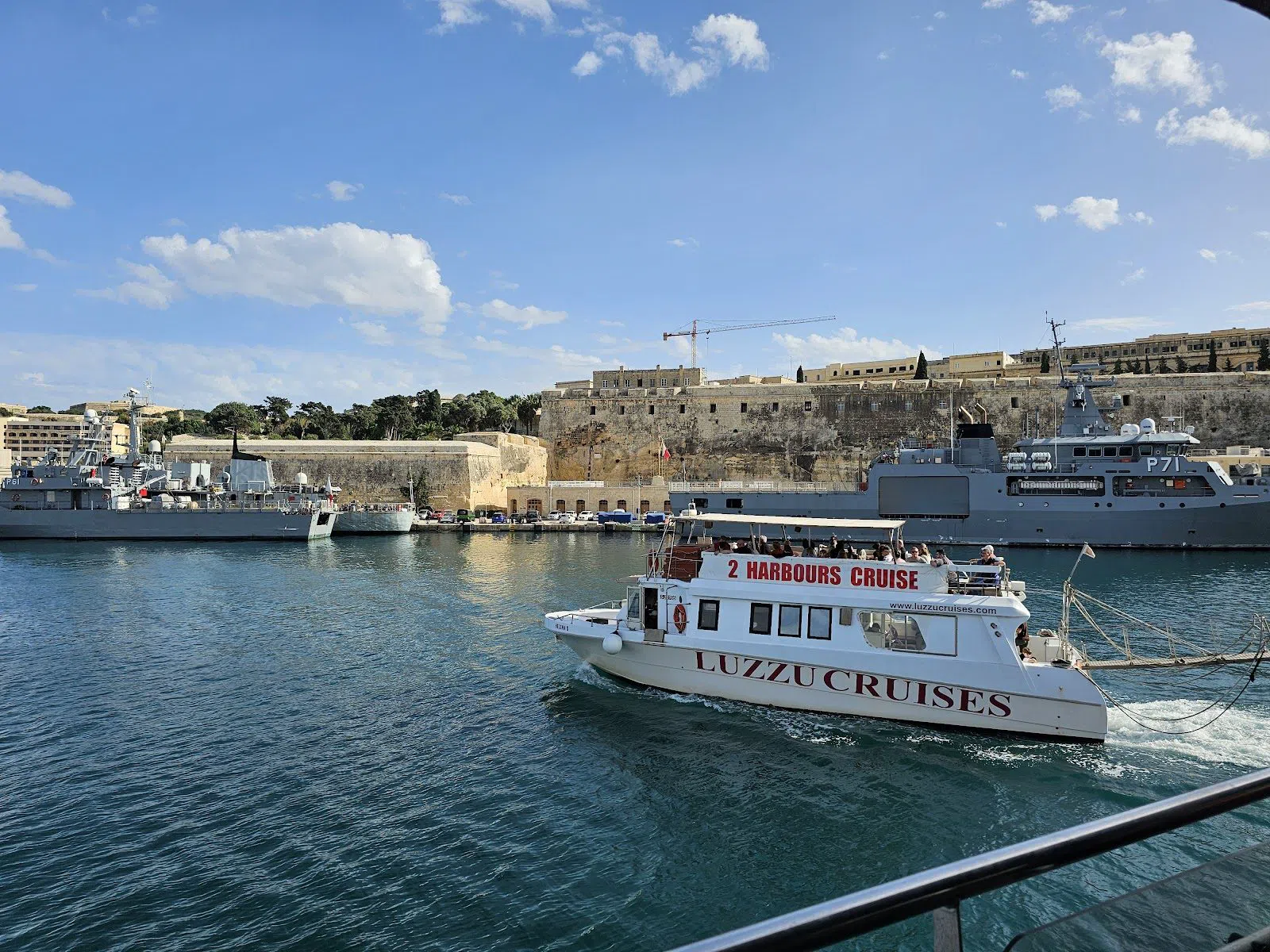
Valletta Ferry Services (Marsamxett quay on the north side, Lascaris Wharf on the Grand Harbour side) runs two crossings, and both beat the equivalent bus by a wide margin: roughly ten minutes on the water against half an hour round the head of the harbour by road. One route goes to Sliema, the other to Cospicua for the Three Cities. Adults pay €3.00 single or €5.00 return, children €1.00 and €1.50, and the night service from 19:30 is €3.50 single or €5.20 return. Again, free with a personalised tallinja card.
Cospicua passengers are handed a Barrakka Lift ticket on arrival, so the return leg lands you at the bottom of the cliff with the ride up already paid for. A free shuttle also links the two Valletta quays, so you can cross to Sliema in the morning and come back through the Three Cities in the afternoon without walking the width of the city between boats. It is turn-up-and-go, no reservations, and the decks absorb large groups easily outside the commuter peak; around 08:00 and again at 17:00 you will be standing.
The dgħajsa crossings no timetable covers
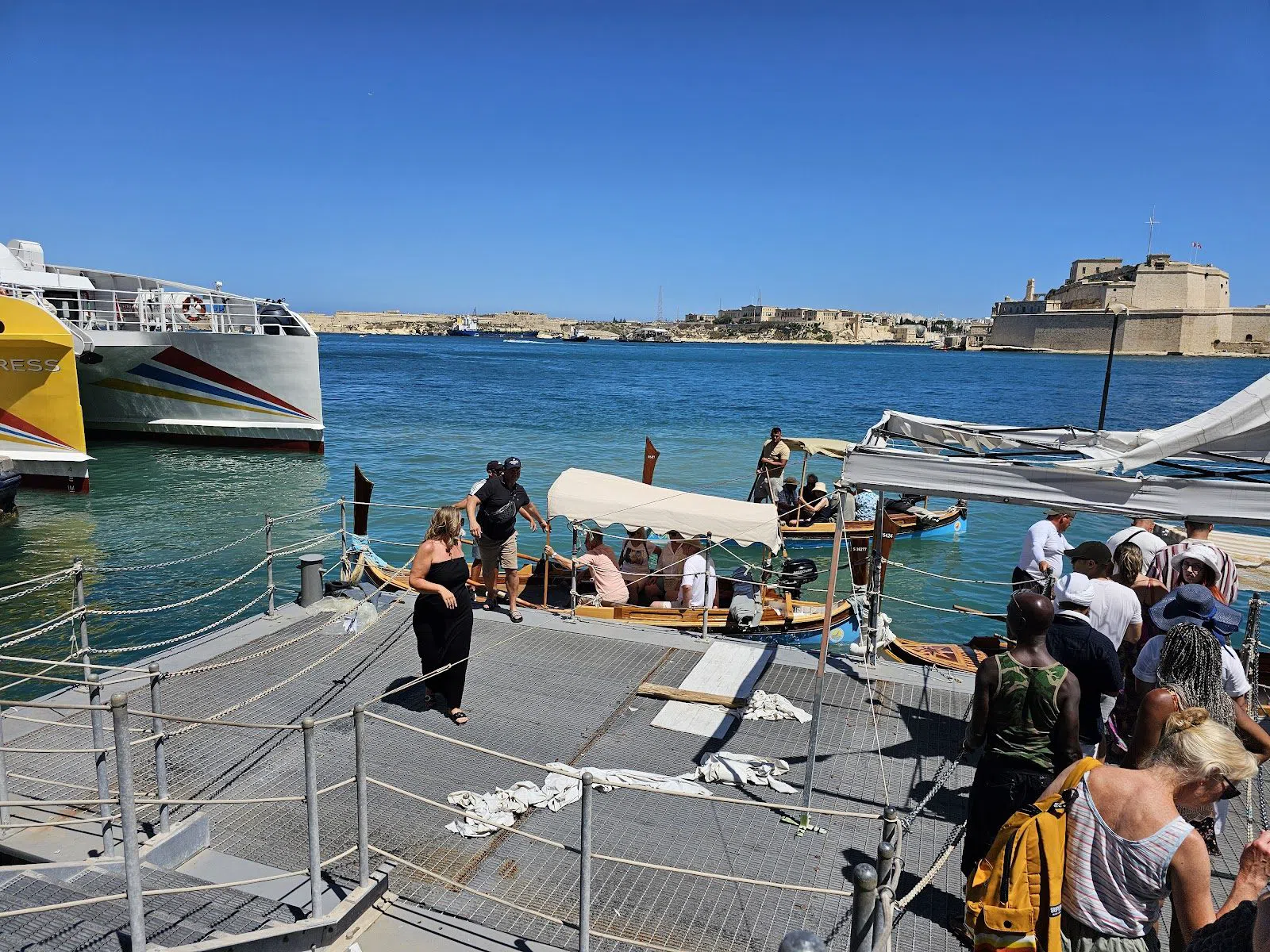
The old harbour water taxis still work as transport rather than as a novelty. A & S Water Taxis (Birgu marina, by the Freedom Monument) will take you across to Lascaris in a few minutes for about €2 per person, and you land five minutes' walk from the Barrakka Lift. A short circuit of the harbour runs to around €8 a head. Boats hold six passengers maximum, so a larger group splits across two or three, arranged on the spot or by text, and it is cash only.
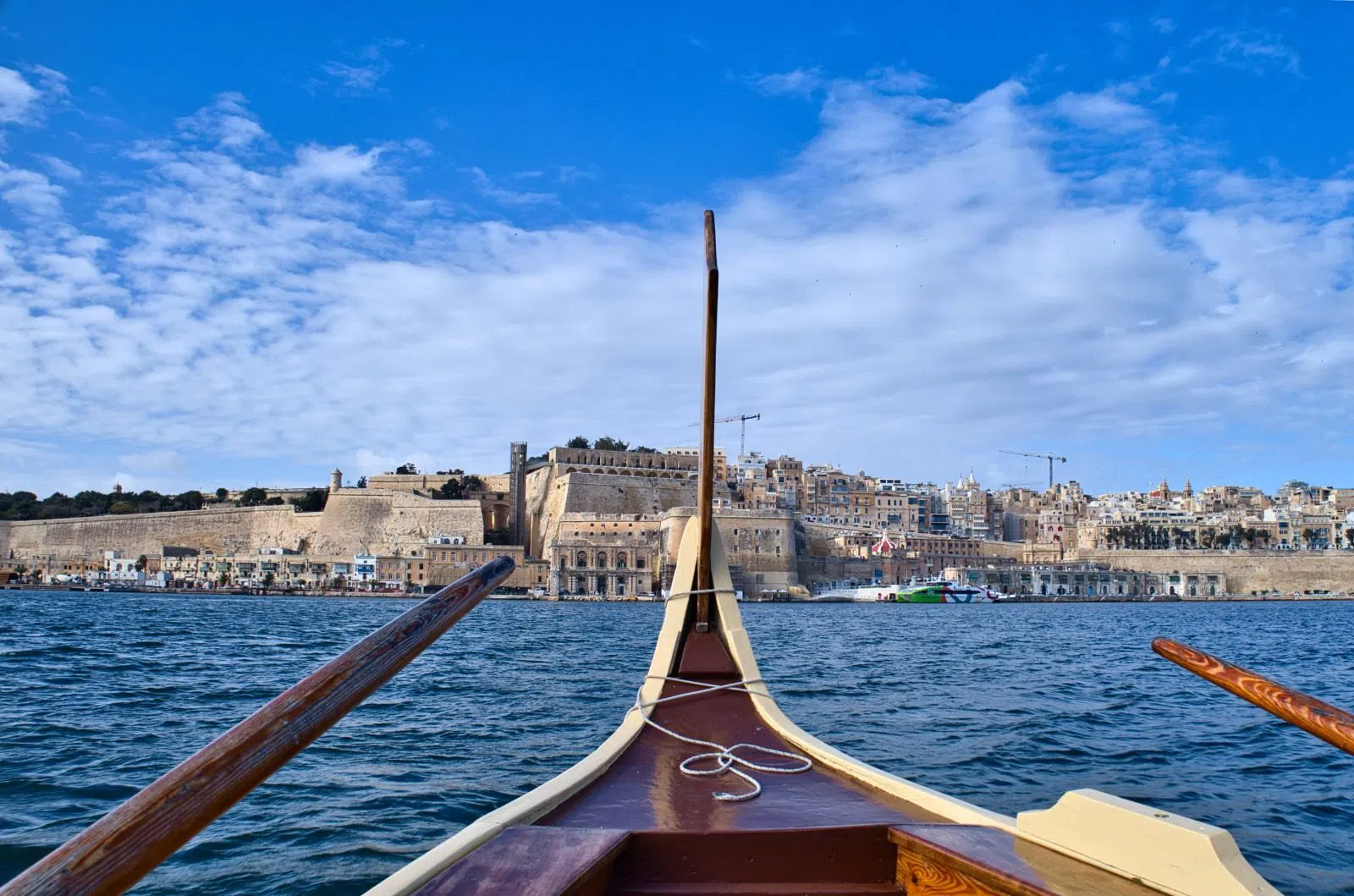
Grand Harbour Tours (the Koperattiva tal-Barklori, working out of Valletta, Senglea and Cospicua) is the boatmen's co-operative and has a fleet, so several boats can be booked together for a group or an event. Crossings are roughly €2 to €3 per person, short harbour circuits around €8 a head, cash to the boatman. They will also cross where the scheduled ferry does not go, so you see the creeks from water level. The trade-off is that they run on demand rather than to a timetable, so turn up at a quay and ask instead of planning a departure time and hoping.
Two ways to reach Gozo in a day
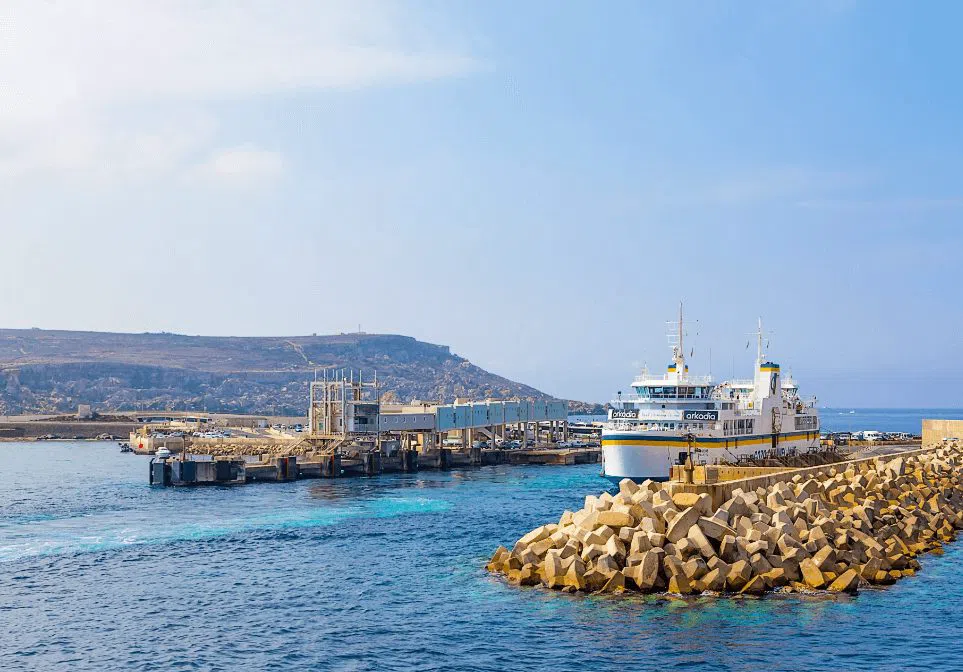
Gozo Highspeed (departs the Grand Harbour quay at the foot of the Barrakka Lift) is the reason a car-free traveller can treat Gozo as a day trip at all. Valletta to Mġarr takes about 45 minutes, with no bus ride at either end, for around €7.50 single and roughly 35% off a return. Children aged 4 to 10, students and seniors get heavy discounts. Book online by the seat; the vessels take 308 passengers and handle groups comfortably, but reserve ahead in summer and if you are bringing bikes. The operator was formed in 2023 when Gozo Fast Ferry and Virtu Ferries Gozo merged, so ignore the older brand names still floating around on out-of-date pages. Since May 2026 it also sails from Sliema and Buġibba.

Gozo Channel Line (from Ċirkewwa, at the north-western tip of the island) is the cheap alternative and costs €4.65 return as a foot passenger, paid on the Gozo side only. The crossing is 25 minutes, sailings go every 30 to 45 minutes, and the service runs 24 hours a day all year. The catch is the hour-plus bus to Ċirkewwa before you start, which is why it suits an early departure or a late return rather than a tight day trip squeezed between breakfast and dinner. If you are counting hours rather than euros, pay the extra for the fast ferry; if you are staying overnight on Gozo, take this one.
Comino and the weather clause

Comino Ferries Co-Op (departures from Ċirkewwa and Marfa) crosses to the Blue Lagoon in twenty minutes, roughly 08:30 to 18:00 daily, at €15 adult return and €7 for children under 10. From Valletta you reach the departure points on the 41, 42 or X1. Boats are open-deck and leave every half hour in season, so groups are fine, but there is no shade and no seat allocation, so arrive with hats, water and low expectations about where you will sit.
Weather cancels the crossing outright, and the operator posts suspensions the same morning. Check before you commit a whole day to it, and keep a land-based alternative in your pocket for the walk back to the bus stop.
Cars that can actually reach you
Almost nothing can drive into central Valletta, so set your pickup at City Gate or Castille Place rather than your front door, and walk the last few minutes.
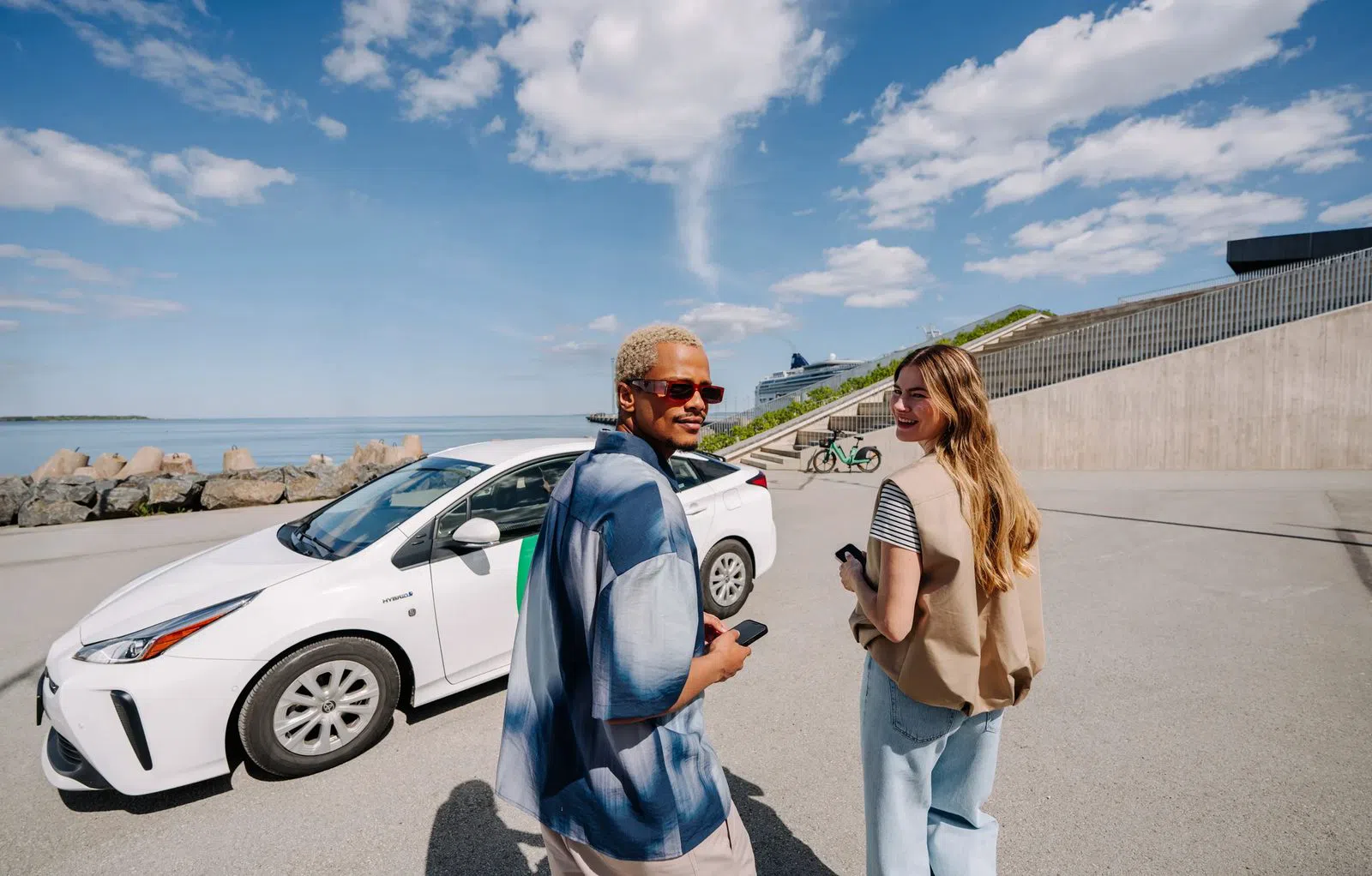
Bolt (widest driver coverage in the conurbation) is the cheapest of the three apps and the default for the airport run and the trip home from St Julian's, roughly €12 to €15 airport to Valletta and €5 to €8 for short city hops, with surge on Friday and Saturday nights. Standard cars seat four; larger classes exist but thin out late, and two cars is usually faster than waiting for one big one.
Uber (Valletta, Sliema and St Julian's, 24/7 through licensed local fleets) is broadly level on price at €12 to €18 to the airport, and your home app works on arrival with no new account. UberXL covers six and you can schedule a ride up to 30 days ahead, which is genuinely useful for a dawn flight. Coverage thins outside the main conurbation; in the south and the west, take the bus.
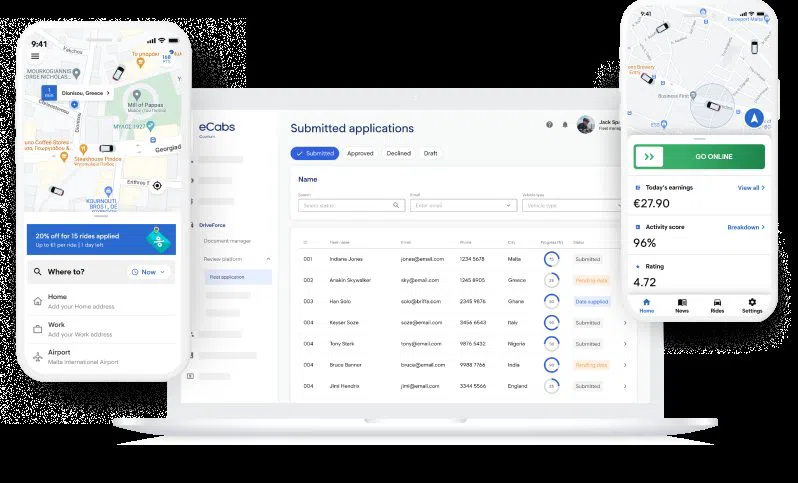
eCabs (Malta's own operator, predating the international apps) charges around €15 to €18 to the airport, a small premium, and earns it in two situations: a fixed-time group pickup, and an early departure where you cannot afford to gamble. It takes advance bookings and business accounts, and driver quality is steadier.
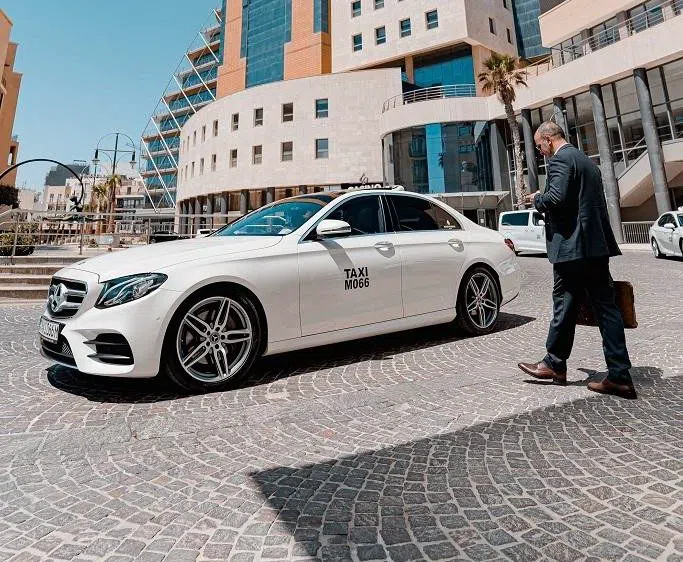
Malta white taxis (regulated ranks at the airport, City Gate and the cruise terminal) work on different rules from the apps, and it pays to know which of the two you are using. From an official rank the fare is a posted government zone rate, about €15 from the airport to Valletta. Flag one down on the street and the price is whatever you negotiate, typically €20 to €25. Ask for the rank sheet and you pay what a local pays. A rank also holds several cars, so a group of six can leave together without anyone opening an app.
When the sightseeing bus earns its price
City Sightseeing Malta (boards near the City Gate terminus) costs around €25 to €35 for a 24-hour ticket, or €36 to €74 for the combined bus-and-sightseeing Explore Flex packages. That is more than a week of ordinary buses, and you should buy it for one reason only: the north loop is a straightforward run to Mdina, San Anton Gardens and Ta' Qali without decoding connections. Two routes, 35 stops, running all year except Christmas Day, commentary in 13 languages. Tickets are sold as open-dated vouchers valid 12 months, seats are not pre-assigned, and the upper deck fills first. Check the live stop list before you plan around a particular stop, since one or two are periodically closed for roadworks.

What to book, what to carry, what to expect
Book ahead for the Gozo fast ferry in summer, and for any fixed-time airport transfer with eCabs or a scheduled Uber. Everything else is walk-on: buses, harbour ferries, the lift, the electric cabs, the water taxis.
Carry cash for the dgħajsa crossings, which take nothing else, and small notes make the harbour circuits easier. Everything else takes a card.
On timing, the lift opens at 06:30, electric cabs stop at 19:00 on weekdays and 16:00 on Sundays, and the Comino boats finish around 18:00. Ferries beat buses whenever your destination is across water, and buses beat everything inland. Add fifteen minutes to any summer bus timing on the Sliema corridor.
For budget, two people spending five days here without a car will typically pay €25 each for an Explore 7-day card, €5 to €10 on ferry returns, a few euros on the lift and the electric cabs, around €7.50 each way for the Gozo fast ferry, and €12 to €18 for one airport transfer at each end. That is comfortably under €100 a head for the whole trip, less than two days of car hire and parking, and you skip the part where you discover there is nowhere to park inside the walls. For what to do once you are moving, the Valletta guide covers the rest.
Before you go
Do I actually need a car to visit Valletta?
No. Valletta is about a kilometre end to end and closed to most traffic anyway, so a car is a liability inside the walls. Buses radiate from the City Gate terminus to the whole island, two harbour ferries cross to Sliema and Cospicua in about ten minutes, and the Barrakka Lift handles the climb from the quay. Car hire mainly buys you a parking problem.
What is the cheapest way from the airport to Valletta?
The X-route buses cost €2.00 a single in winter (19 October to 13 June) and €2.50 in summer, with transfers included for two hours. If you would rather not carry bags on a bus, Bolt runs roughly €12 to €15, Uber €12 to €18, eCabs €15 to €18 with a pre-booked time, and a white taxi from the official airport rank is a posted zone fare of about €15. Set any app pickup at City Gate or Castille Place, as cars cannot reach most addresses inside the city.
Is the tallinja Explore card worth buying?
The 7-day Explore card is €25, so it pays back at more than two rides a day, easy enough in summer at €2.50 a single. If you are riding less than that, the 12 Single Day Journeys card at €19 splits between two people. A personalised tallinja card also covers the harbour ferries and the Barrakka Lift at no extra charge, which changes the maths if you are crossing the water daily.
How do I get to Gozo from Valletta without a car?
Gozo Highspeed sails from the Grand Harbour quay at the foot of the Barrakka Lift and reaches Mġarr in about 45 minutes for around €7.50 single, with roughly 35% off returns. Book online and reserve ahead in summer. The cheaper option is the Gozo Channel Line from Ċirkewwa at €4.65 return, 25 minutes across and running 24 hours, but you need an hour-plus bus to reach the terminal first.
How do I deal with Valletta's steps and hills with luggage?
Stay on or near the level spine along Republic and Merchants Streets if you can. For everything else, City Electric Cabs charge €1 for the first passenger and €0.50 for each extra, capped at €5 per trip, and run 07:00 to 19:00 Monday to Saturday and 09:00 to 16:00 on Sunday. They take three passengers plus the driver, so larger groups take two. Outside those hours you are walking, so time your arrival accordingly.