The Valletta issue
Valletta in October With Warm Sea and Shorter Queues
By two in the afternoon the peninsula is walkable again, the sea still holds 24°C, and the same doors take half the wait. Here is how to plan around it.

By Robin de VriesSlow days across Valletta's streets
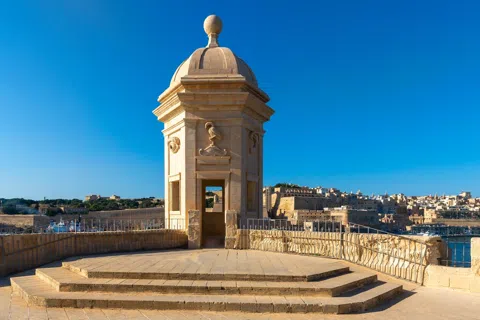
By the first week of October the water off Malta is still around 24°C, and the sun on Valletta's bastions has stopped being a thing you plan the whole day around. The city is a peninsula roughly a kilometre long and 600 metres across, which in August means short dashes between air-conditioned rooms and in October means you can walk from City Gate to the fort at the tip at two in the afternoon without suffering for it. Most of what follows is the same list of doors you would knock on in July; the difference is how long you can stand outside them.
What the month actually gives you
Daytime highs sit in the high twenties for the first fortnight and ease into the low twenties by the end of the month. The sea lags the air by weeks, so it holds around 23–24°C throughout and is at its most dependable before the 15th. Rain does return in October, usually as short heavy bursts rather than grey days, but one of those will turn a sloping Valletta street into a stream for twenty minutes, so keep an indoor hour in reserve rather than a full wet-weather plan.
Light is the other shift. Sunset moves from about 18.45 on the 1st to just before 18.00 by the 24th, then the clocks go back on Sunday 25 October and the harbour is dark before 17.00 for the final week. Put your viewpoints earlier in the day than instinct suggests.
Two fixed dates shape the month, and both are exceptions to the quieter-streets rule. BirguFest runs 11–13 October 2026 across the water, and the Rolex Middle Sea Race starts from Grand Harbour in mid-October, which turns the bastion wall into a grandstand that costs nothing. Both are worth being inside rather than avoiding.
Plan your Valletta trip
Live prices from our booking partners.
Free cancellation on many rooms. We may earn a commission when you book.
The interiors worth a weekday morning
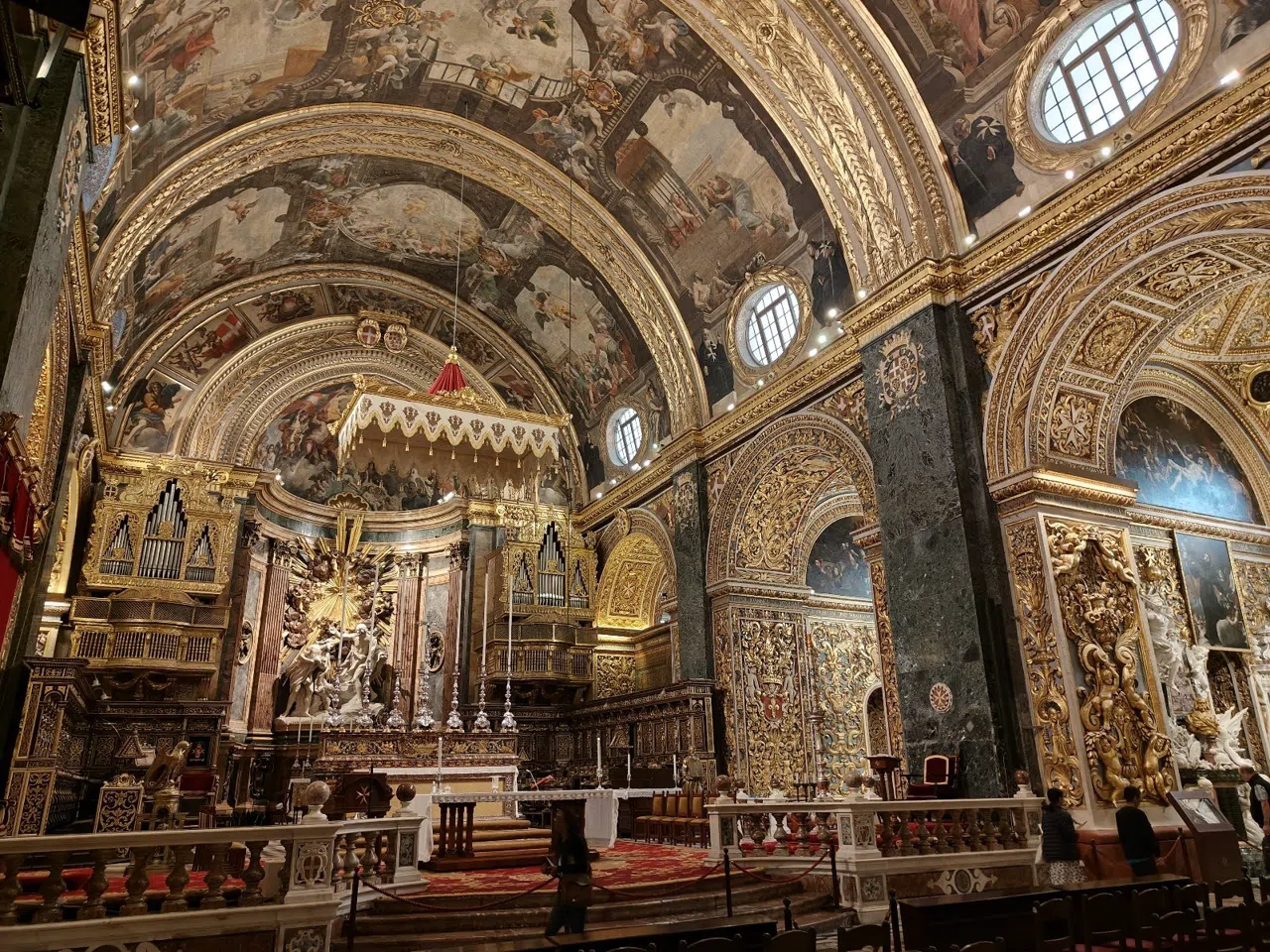
St John's Co-Cathedral (St John's Square, off Republic Street) is the one with a hard constraint on it: Monday to Saturday, 09.00 to 16.45 with last entry at 16.00, closed on Sundays and public holidays. That means it has to sit on a weekday, and a short break arriving Saturday afternoon can lose it entirely. Entry is €15 with a timed slot and an audio guide included, and coach parties are routine rather than occasional, so take the first slot of the day or one after 15.00. The dress code is enforced at the door, shoulders and knees covered, and stiletto heels are refused outright to protect the marble floor, so bring flats if the rest of your evening plan says otherwise. October's payoff is the Oratory, which in high summer you shuffle through and in October you can actually stand in front of.
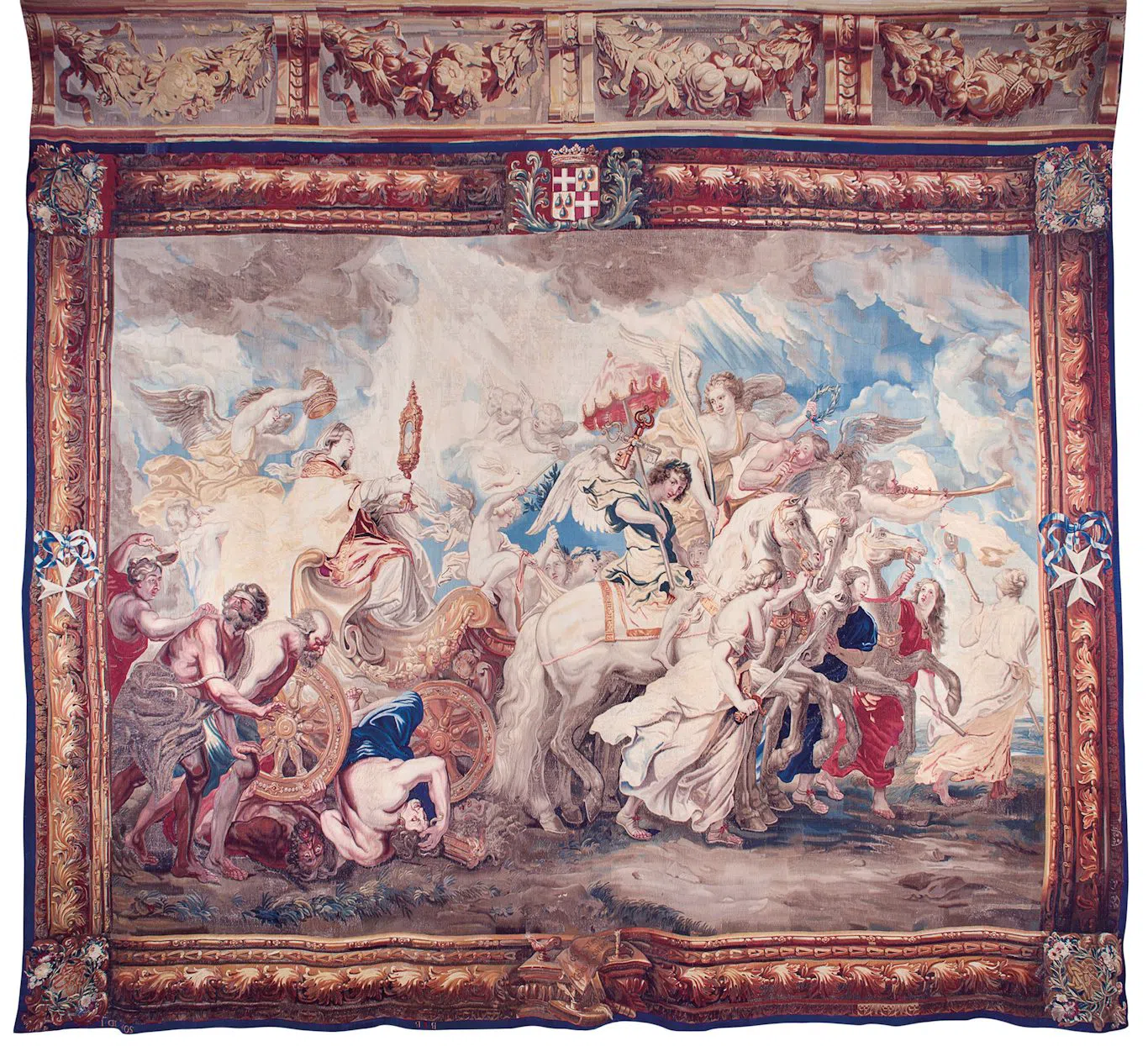
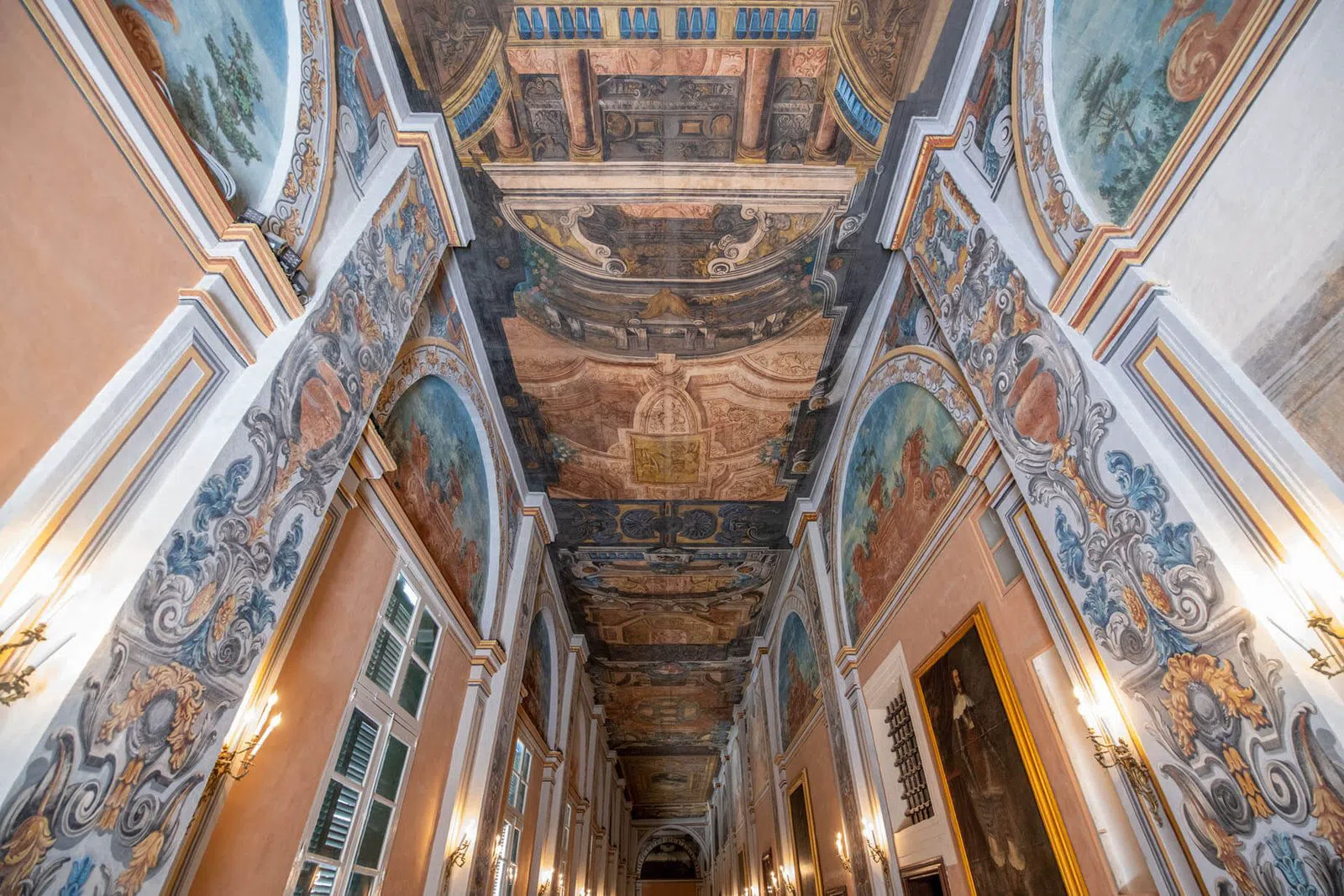
Grand Master's Palace (Palace Square, halfway down Republic Street) reopened in 2024 after six years of restoration, which is why older guidebooks still treat it as a footnote. It is €10–17 depending on which ticket you take, and it includes the Palace Armoury. Buy online rather than at the counter. One warning that matters more than the price: the State Rooms close without notice for presidential and state functions, so check on the morning itself before you build a plan around it. If it is shut, the Armoury is generally the part that stays open.
Casa Rocca Piccola (lower Republic Street) is the counterweight to those two, the only privately owned palace in the city open to the public, and still lived in by the family. Tours run on the hour from 10.00 to 16.00 daily except Sunday, cost €15 including the guide, and go out in small groups. That small-group format is why the shoulder season suits it: eight people in a family library is a conversation, thirty is a queue. Pre-book. Parties larger than a small group need to arrange it by appointment rather than turning up.


Teatru Manoel (Old Theatre Street) opens for the Grand Tour on Tuesdays and Thursdays at 11.00 and 13.00, one hour, €20. It is one of the oldest working theatres in Europe, and it is genuinely working: tours move for rehearsals, so confirm the day before rather than the week before. The autumn programme resumes through October, which gives you the option the tour cannot, sitting in the boxes with the house lights down. Performance tickets vary by production and are worth checking as soon as you have dates.
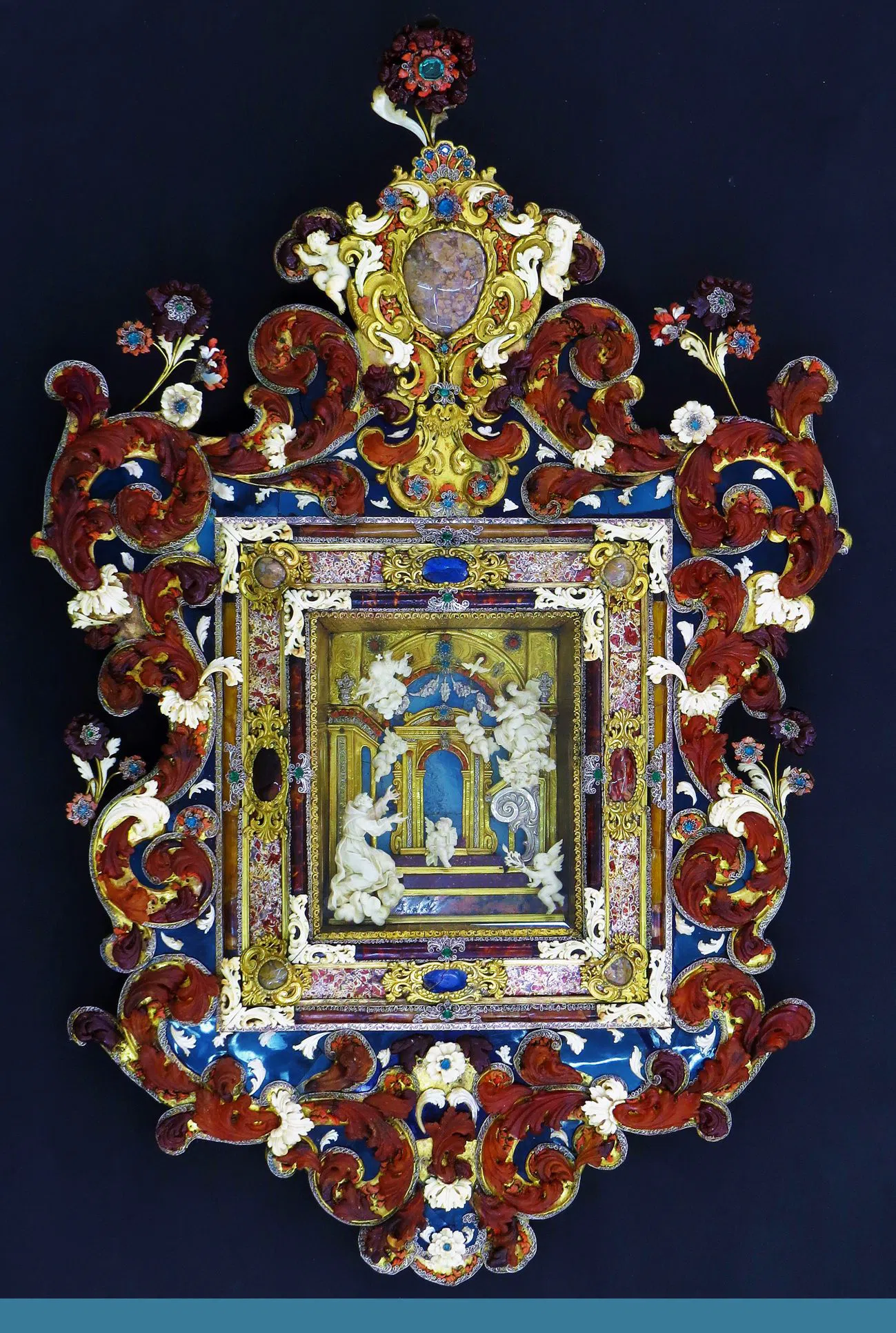
MUŻA (the Auberge d'Italie on Merchants Street) is open daily 10.00 to 18.00 in October with last entry at 17.30, at roughly €5–10. Include it with a caveat. The permanent galleries are being rehung floor by floor and the museum has had short unscheduled closures, so confirm on the day. The temporary exhibitions have run to schedule, and they are usually the reason to go anyway.
Bastions, the noon gun and an hour underground
Upper Barrakka Gardens (the upper bastion above Lascaris Wharf) is free and open to everyone, and the terrace gives you the full sweep of Grand Harbour and the Three Cities opposite. Below it, the Saluting Battery fires at noon and again at 16.00 daily; the gun deck costs about €3, needs no booking and takes groups without fuss, but arrive 15–20 minutes early if you want a front-row position rather than a view of other people's phones. During the Rolex Middle Sea Race start this same wall is the best free position in the city, and it fills accordingly.
At the back of the gardens, the Barrakka Lift drops you the full height of the bastion to the quay for €1 return. Use it in that direction. Walking down is fine; walking back up a Valletta hill at four in the afternoon in October is the one moment the month still feels like summer.
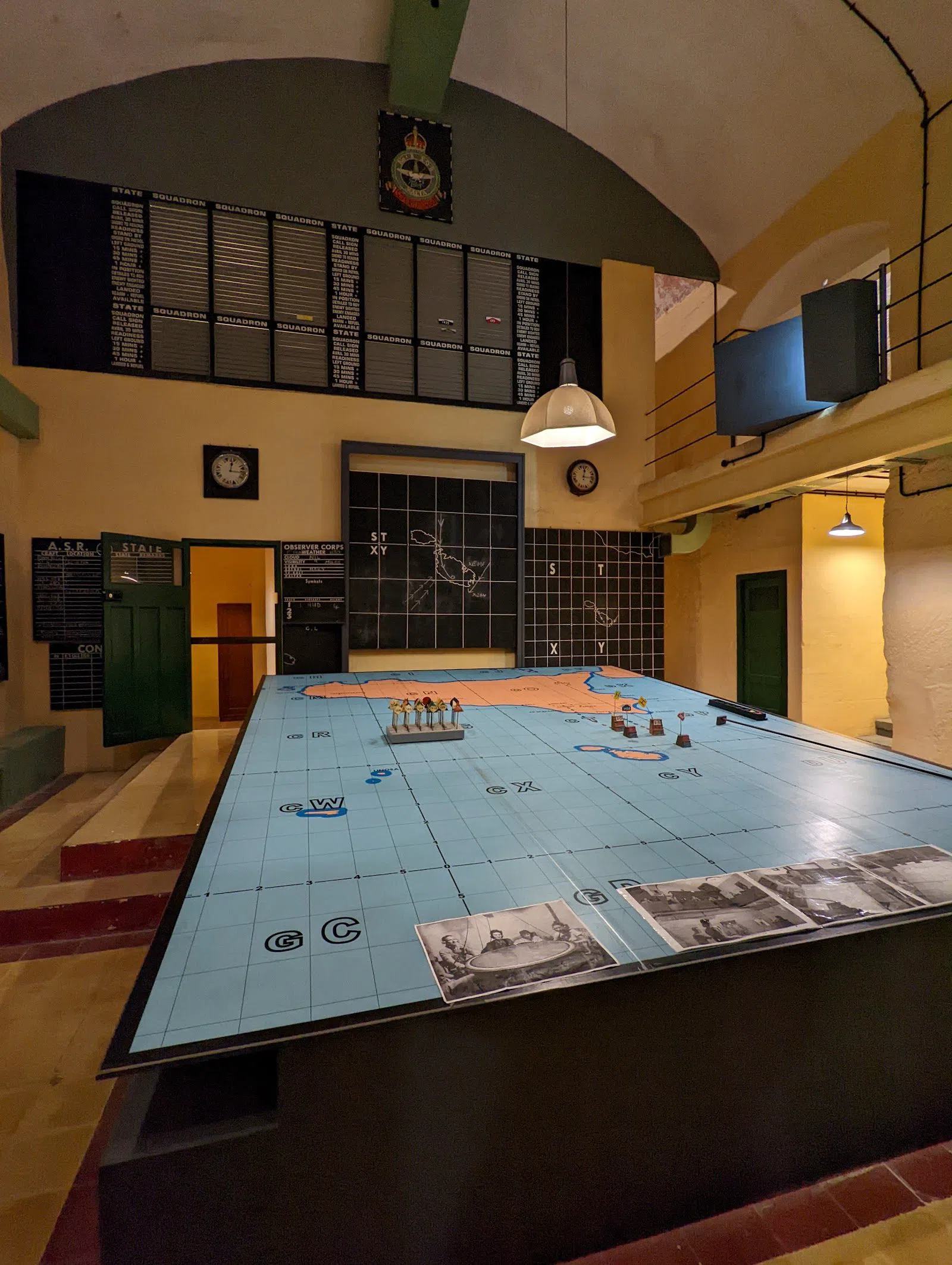
Lascaris War Rooms are entered from the same bastion, and they are the sensible thing to do with a warm afternoon: an underground complex at constant temperature, and the Allied nerve centre for the invasion of Sicily. Open Monday to Saturday, 09.30 to 17.30 with last admission at 17.00, €20 on the door and cheaper booked online. Organised groups book through the foundation directly at [email protected] rather than the general ticket page.
Fort St Elmo and the National War Museum sit at the tip of the peninsula, about a kilometre down Republic Street from City Gate, fifteen minutes at a walking pace and longer if you stop. Open daily 09.00 to 18.00 with last admission at 17.30, €10. This is the site October improves most, because the ramparts and parade ground are entirely exposed and August makes them a test of endurance. One scheduling trap: on In Guardia re-enactment Sundays the fort opens later, at 12.00, so check the parade calendar before setting out for a nine o'clock start.
A roof garden most visitors walk past
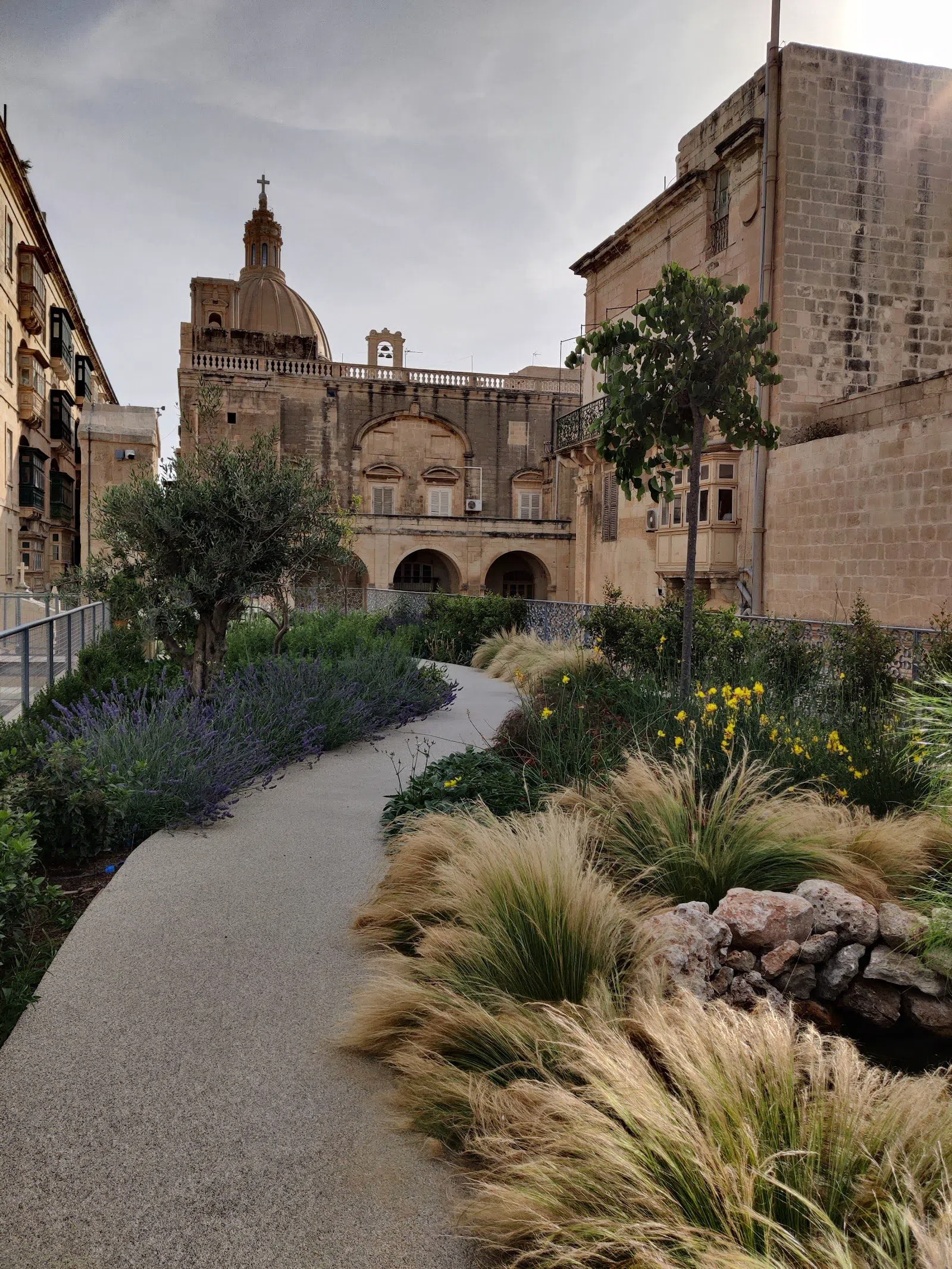
Valletta Design Cluster occupies Il-Biċċerija l-Antika, the old slaughterhouse in the quiet lower-town lanes off Bull Street. Access to the roof garden and the exhibitions is free during opening hours, informal groups are fine, and the workshop spaces can be booked. It is the only public roof garden in the city, and because it sits ten minutes downhill from the main street it stays uncrowded when the bastion terraces do not. Go late afternoon, before the light drops.
Ten minutes across the harbour
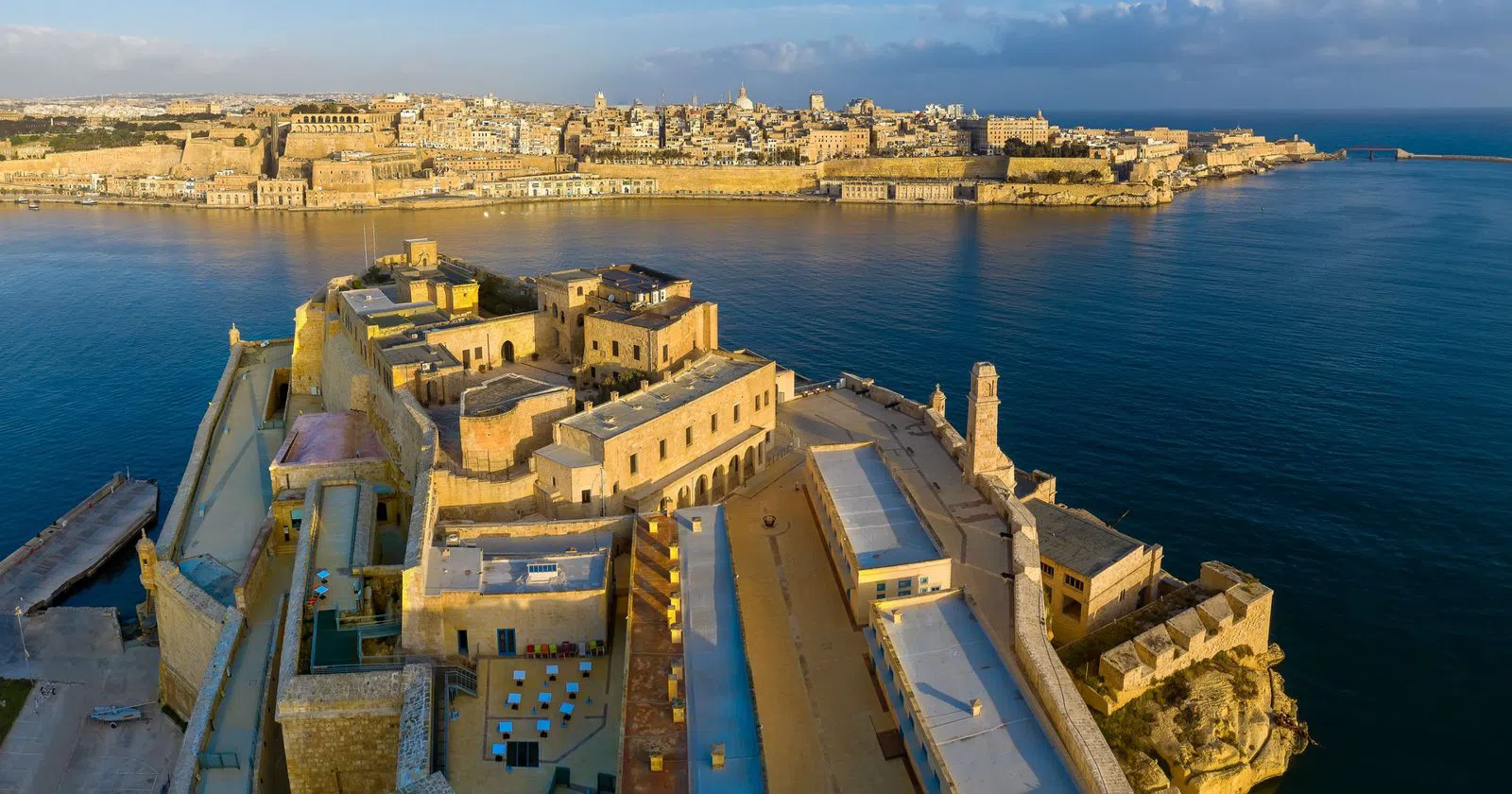
Valletta Ferry Services run every 30 minutes from roughly 07.00 to 19.30, with a later night service and reduced Sunday hours. A single is €1.50, a return €2.80, and a seven-day pass €10. There is no booking and no seat allocation, so groups simply walk on. Two routes leave from either side of the peninsula: one to Sliema across Marsamxett, one to the Three Cities across Grand Harbour. The second is a ten-minute crossing under the full length of the bastions, and it is the cheapest harbour trip in Malta by a wide margin. Pair it with the €1 lift and the case for hiring a car disappears entirely.

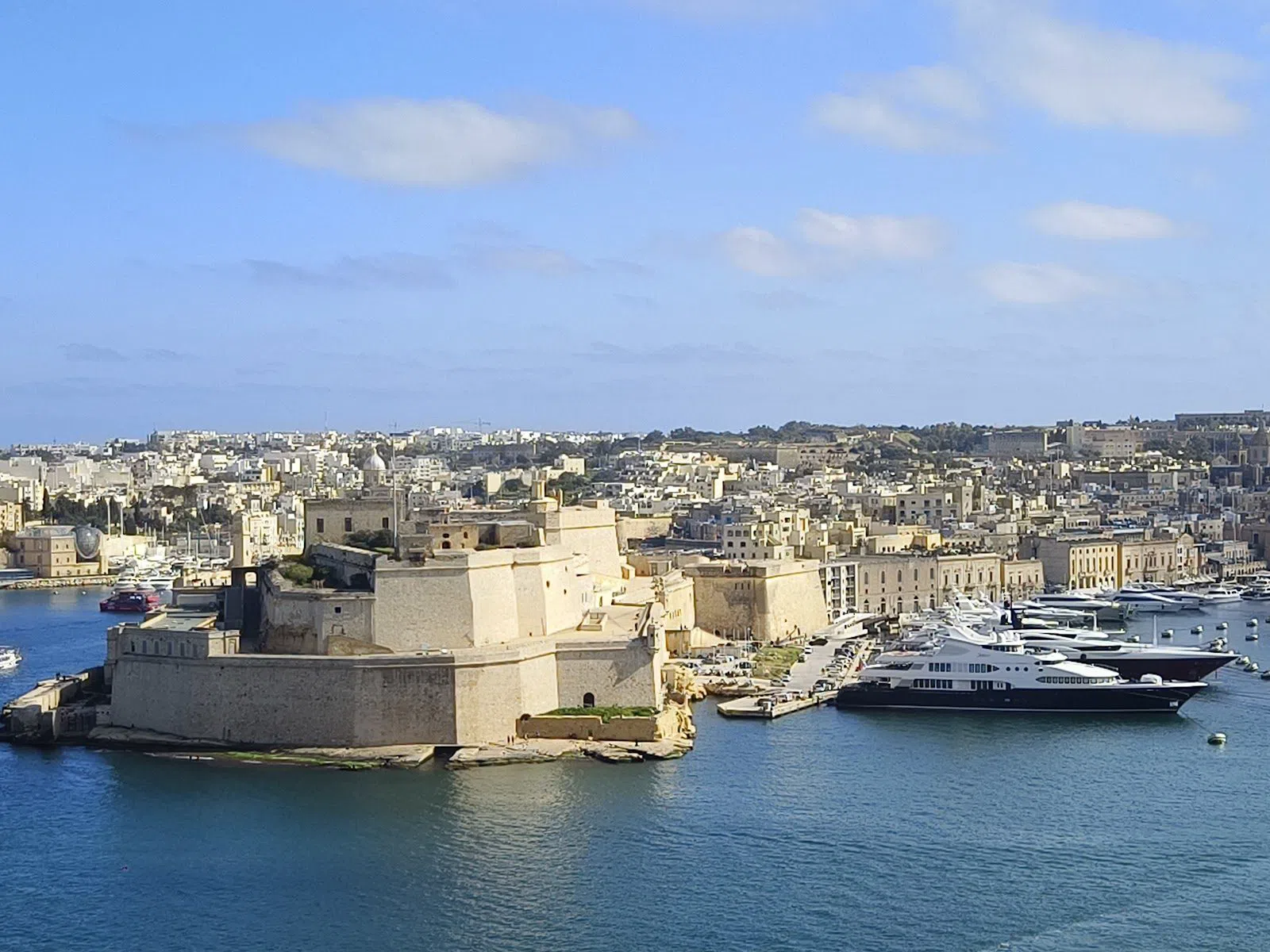
Fort St Angelo (Birgu, five minutes' walk from the Three Cities ferry landing) costs €8–10 and handles groups easily. Time it for BirguFest, 11–13 October 2026, when the fort keeps extended hours and, on the Saturday night, the fort and the surrounding lanes are lit by thousands of fjakkoli oil lamps rather than street lighting. During the festival a €3 combined ticket covers three sites (the fort, the Maritime Museum and the Inquisitor's Palace), which is the best-value ticket of the month. Take the ferry back rather than a taxi; the last sailings run late during the festival, but check the board on the quay when you arrive rather than assuming.
Swimming while the sea still holds
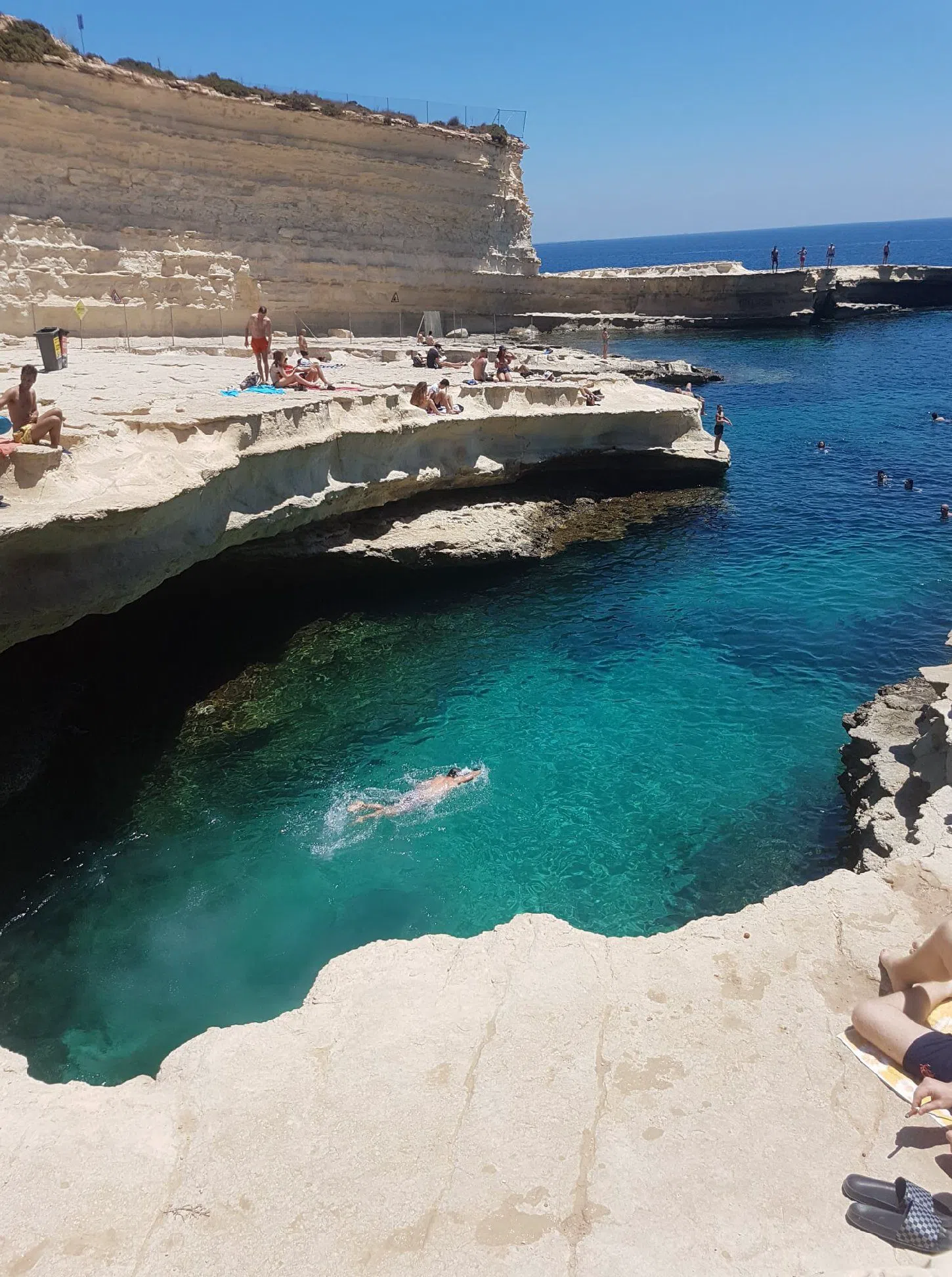
St Peter's Pool is the honest answer for a swim near the city: bus 81 from the Valletta terminus toward Marsaxlokk, then a 20 to 30 minute walk from the village. The sea there stays around 23–24°C through October. It is also free, unsupervised and completely bare: no shade, no kiosk, no lifeguard, and a rock entry that suits confident swimmers rather than families with small children. Bring water and something to sit on. If you go on a Sunday morning, do the Marsaxlokk waterfront market first and swim afterwards; the walk earns more that way.
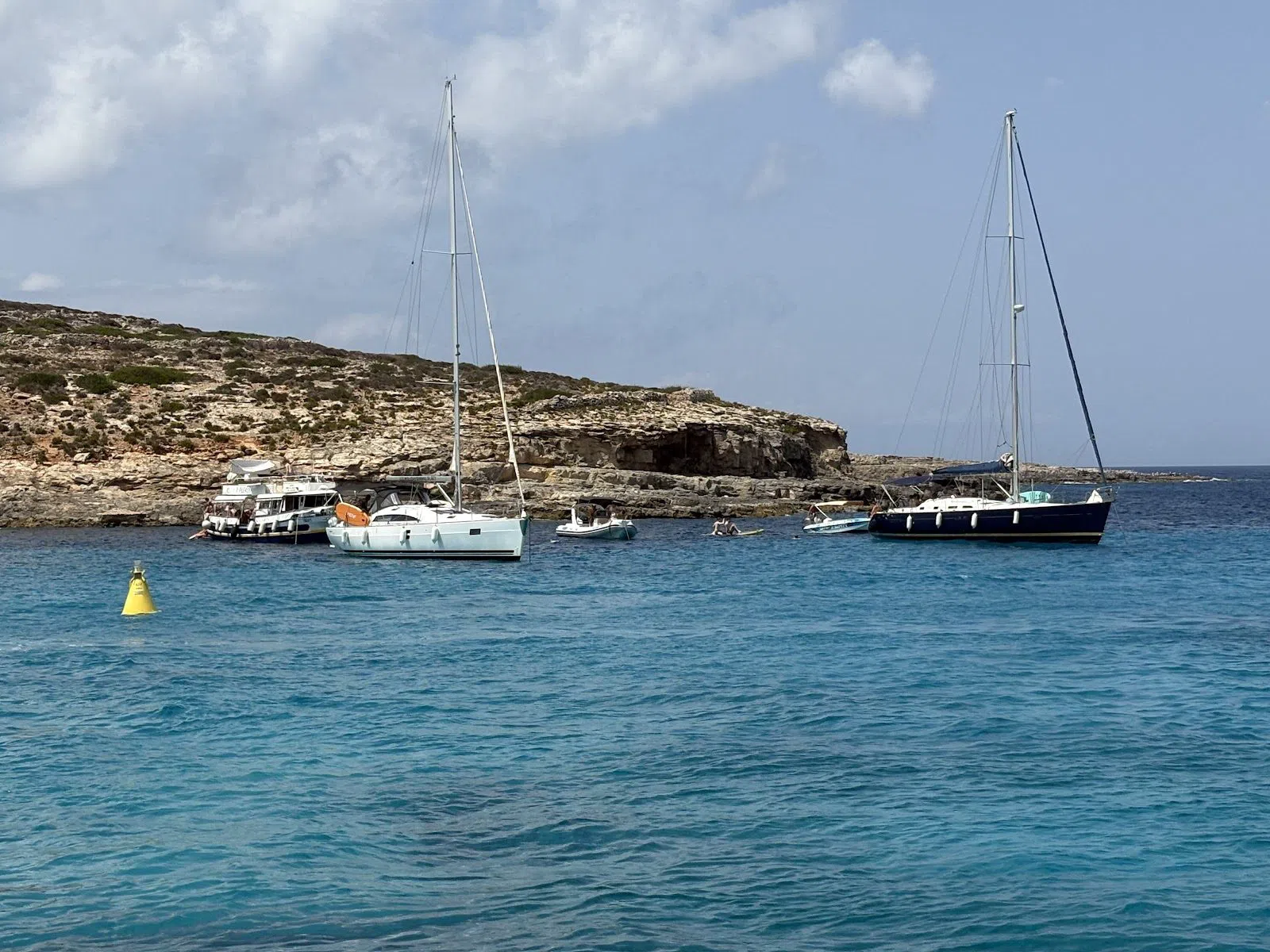
Captain Morgan Cruises run the volume option, sailing daily from Sliema to Comino and Gozo on a thirteen-vessel fleet that takes large groups and private charters, at €35–55 per adult for a day cruise. Two practical points. Everyone landing at the Blue Lagoon now needs a free timed access pass booked through Malta's official system at blcomino.com, so sort that before the sailing date rather than at the quay. And go in the first half of the month, while the water is still near 24°C and a cancelling wind is less likely than it becomes in the last week or two.
Two walks that only work in this weather
Ħaġar Qim and Mnajdra Archaeological Park sits on the south coast, reached by bus 74 from the Valletta terminus. One €10 ticket covers both temples, the visitor centre handles groups, and it is open daily from about 09.00 to 18.00 with last admission at 17.30. The reason to go in October is the 500-metre walkway that drops from the upper temple down to Mnajdra on the cliff edge, an easy, properly surfaced coastal walk with no shade at all, which is pleasant now and punishing in August.
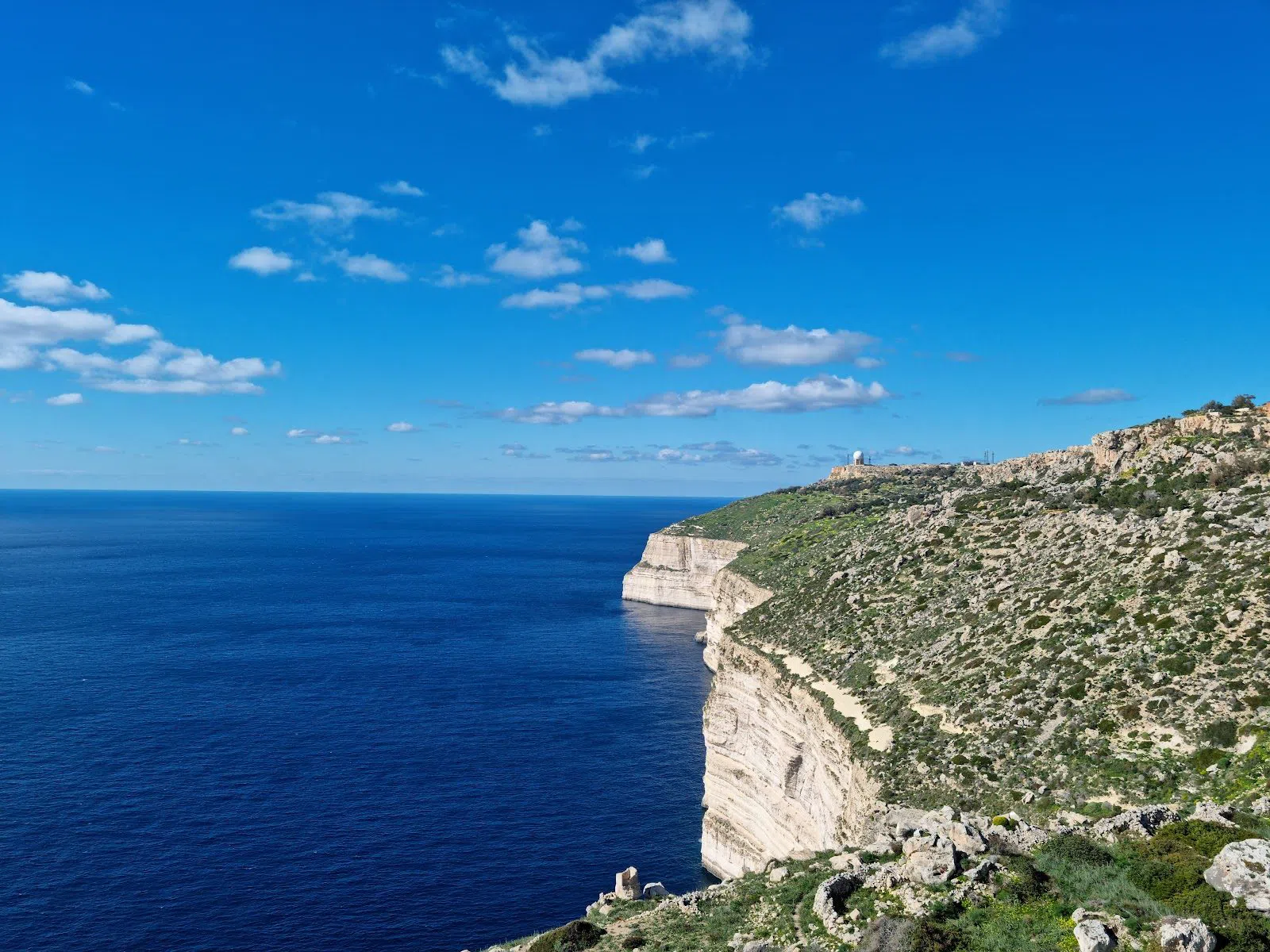
Dingli Cliffs is the standard answer to where you can hike. Buses 52 and 56 run from Valletta, the path is free and unticketed, and the cliff-edge route continues inland towards Buskett for as long as you want to keep going. There is no barrier and no lighting, so turn back well before dusk, and remember that after 25 October dusk arrives an hour earlier than it did the week before. October is the first month of the year when this can be done comfortably at midday rather than at seven in the morning.
Where to eat when kitchens shut early
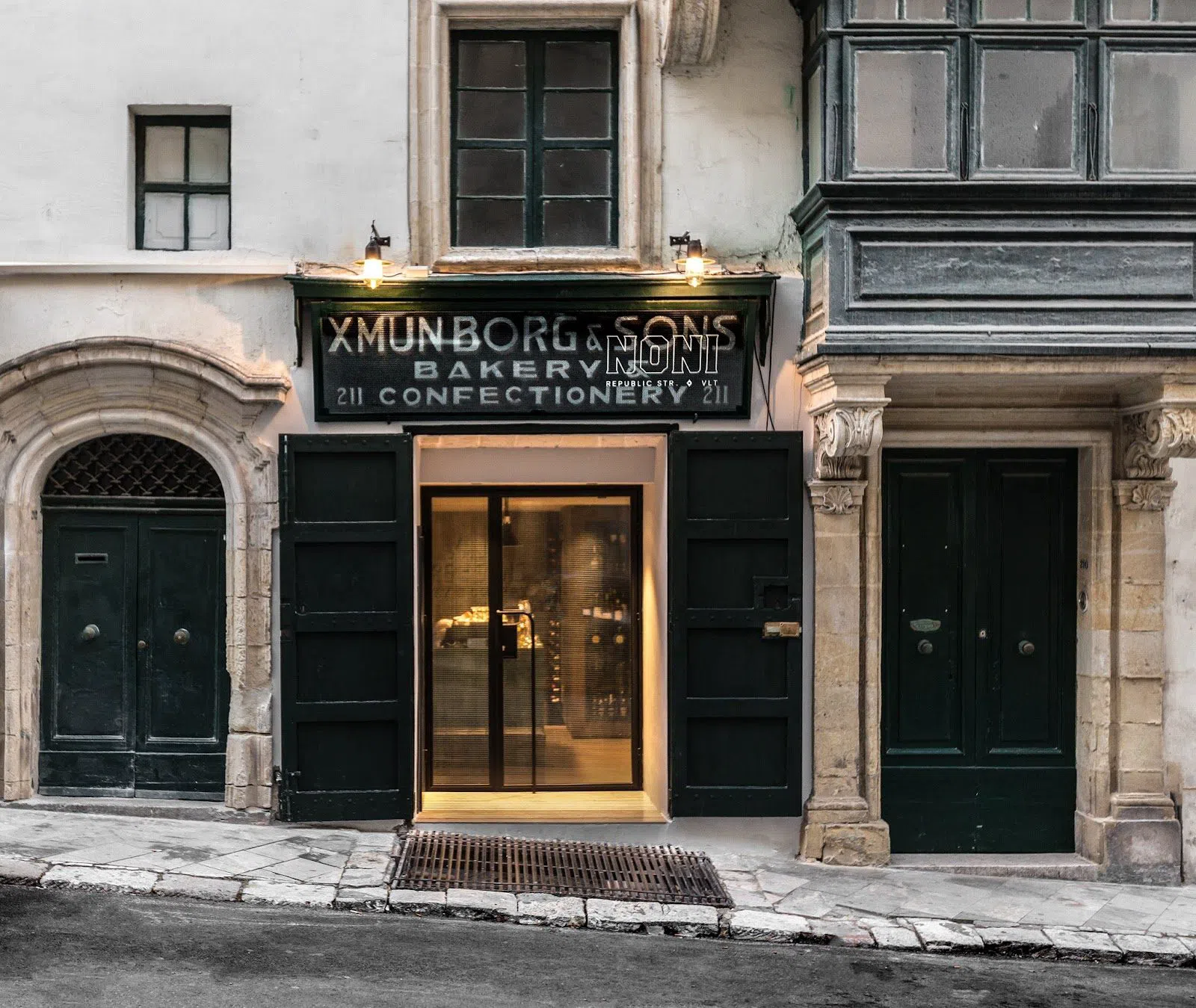
Noni (Republic Street) holds its one Michelin star in the 2026 guide for Jonathan Brincat's modern Maltese cooking, at €90–140 for the tasting menu. It opens Tuesday to Saturday, dinner only, 18.00 to 22.00, and closes Sunday and Monday, which regularly catches out three-night visitors who assume a weekend booking is possible. The room is small: two to six people book online, anything larger needs a phone call rather than a form.
Is-Suq tal-Belt (Merchants Street) is the pragmatic counterpart. The market level trades 07.00 to 21.00 and the food court upstairs 11.00 to 22.00 daily, at €8–20 a plate, with communal seating that solves the group that cannot agree on one kitchen and event spaces you can book. It changed concession operator in 2025 and is trading normally. Its real value in October is the closing time: many Valletta kitchens stop serving early in the shoulder season, and this one does not.
Getting around, paying and what a day costs
Do not hire a car. Between the €1.50 ferry crossings, the €1 Barrakka Lift and buses at roughly €2 a journey, a car buys you nothing but a parking problem; Valletta's core is largely pedestrian and the bus terminus sits immediately outside City Gate. If you are using buses on more than two days, a Tallinja card pays for itself, and the €10 seven-day ferry pass does the same if you are crossing the harbour daily. Staying inside the walls removes the last argument for driving, and it is worth comparing what is available before the BirguFest weekend fills the city. Start with a Valletta hotel search, then read the rest of our Valletta guide for the wider picture.
Cards work almost everywhere, but carry €20–30 in coins and small notes for bus fares, the €3 Saluting Battery deck, the lift and the Marsaxlokk market stalls. Book Noni, Casa Rocca Piccola and your St John's slot before you fly; check the Grand Master's Palace and MUŻA on the morning itself; check Teatru Manoel the day before. Budget roughly €40–60 per person for a full sightseeing day of two paid sites, ferries and a market lunch, or €150 upward on the night you eat at Noni.
One last piece of sequencing. Put the exposed things (Fort St Elmo, the cliff walk, the coastal temple walkway) in the first half of the month while the light lasts and the ground is dry, and keep the underground and interior hours for the last week, when the clocks have gone back and the rain has properly arrived. Ordering the month that way is what makes October worth choosing.
Before you go
Is the sea warm enough to swim in October?
Yes. The water holds around 23-24°C for most of the month, because the sea lags the air temperature by several weeks. It is most dependable in the first half of October. St Peter's Pool, reached on bus 81 and then a 20-30 minute walk from Marsaxlokk, stays swimmable, and Blue Lagoon day cruises are less likely to be cancelled by wind before mid-month.
How much quieter is Valletta in October than in summer?
Noticeably quieter on the street and inside the ticketed sites, though not empty. Coach parties still arrive at St John's Co-Cathedral daily, so take the first slot or one after 15.00. The two busy exceptions are BirguFest on 11-13 October 2026 and the start of the Rolex Middle Sea Race in mid-October, when the Upper Barrakka bastion fills up.
Can I visit without hiring a car?
Easily. Valletta's core is pedestrian, the bus terminus is outside City Gate, and the harbour ferries run every 30 minutes from about 07.00 to 19.30 at €1.50 single or €10 for a seven-day pass. Buses to Ħaġar Qim (74), Dingli (52 and 56) and Marsaxlokk (81) all leave from the same terminus, and the Barrakka Lift is €1 return.
What is the dress code at St John's Co-Cathedral?
Shoulders and knees must be covered, and staff enforce it at the door. Stiletto heels are refused to protect the marble floor, so wear flats. Entry is €15 with a timed slot and audio guide, Monday to Saturday 09.00-16.45 with last entry at 16.00, closed Sundays and public holidays.
Which sites might be closed when I turn up?
The Grand Master's Palace State Rooms close without notice for presidential and state functions, so check on the morning. MUŻA is being rehung floor by floor and has had short unscheduled closures. Teatru Manoel tours run Tuesdays and Thursdays at 11.00 and 13.00 but move for rehearsals, so confirm the day before. Noni is closed Sunday and Monday.